Crustaceans
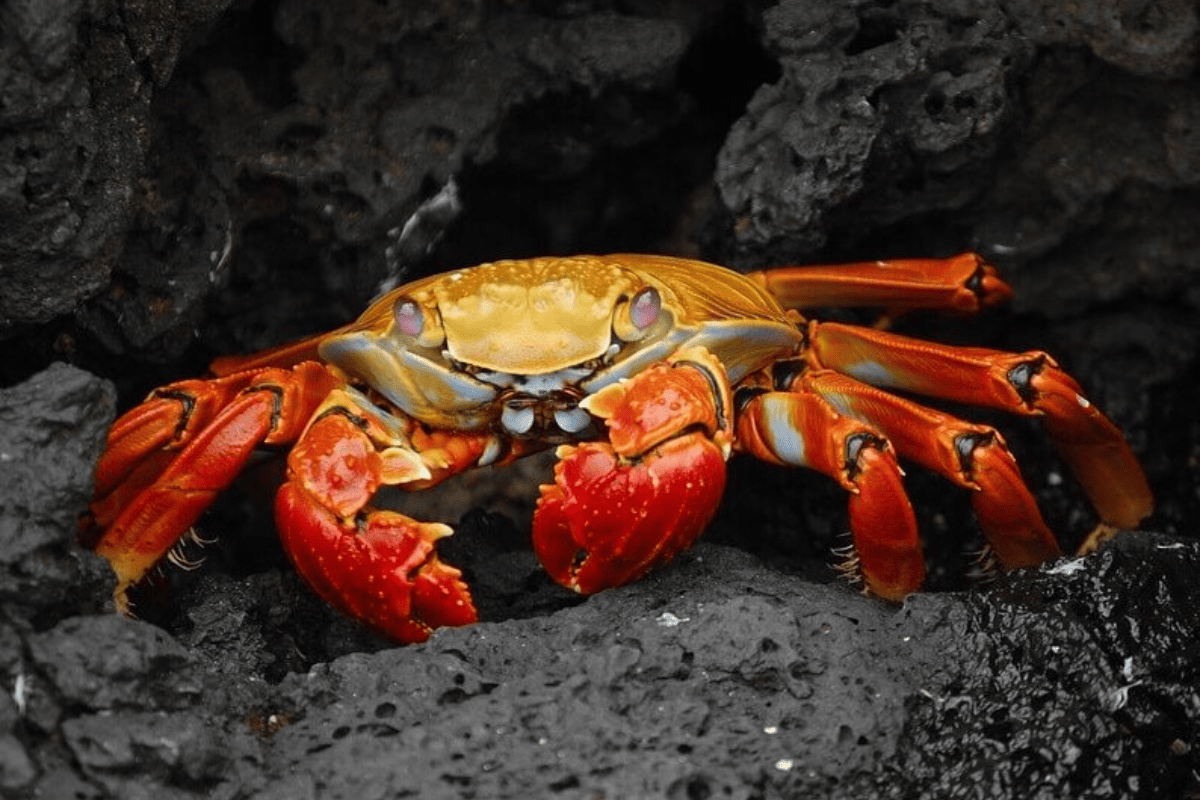
Crustaceans, a remarkable group of arthropods, have been flourishing in Earth’s aquatic realms for an astonishing span of over 500 million years. Their evolutionary success is attributed to distinctive features such as exoskeletons, jointed appendages, and a diverse array of body forms that collectively contributed to their resilience during the catastrophic asteroid impact that marked the end of the Cretaceous period. The ability of crustaceans, which include iconic members like crabs, lobsters, and shrimp, to inhabit a wide range of marine and freshwater habitats highlights their adaptability and ensured their continuous presence in the ecosystems that emerged post-extinction.
Crustaceans embarked on an evolutionary journey, diversifying into an impressive array of forms that adapted to a myriad of ecological roles. Some crustaceans developed intricate social structures, forming colonies or exhibiting cooperative behaviors for tasks such as reproduction or defense. Others evolved specialized appendages, tailored to specific feeding behaviors, allowing them to exploit diverse food sources in aquatic environments. Crustaceans, serving as both scavengers and predators, play pivotal roles in maintaining the balance of marine and freshwater ecosystems.