Lizards
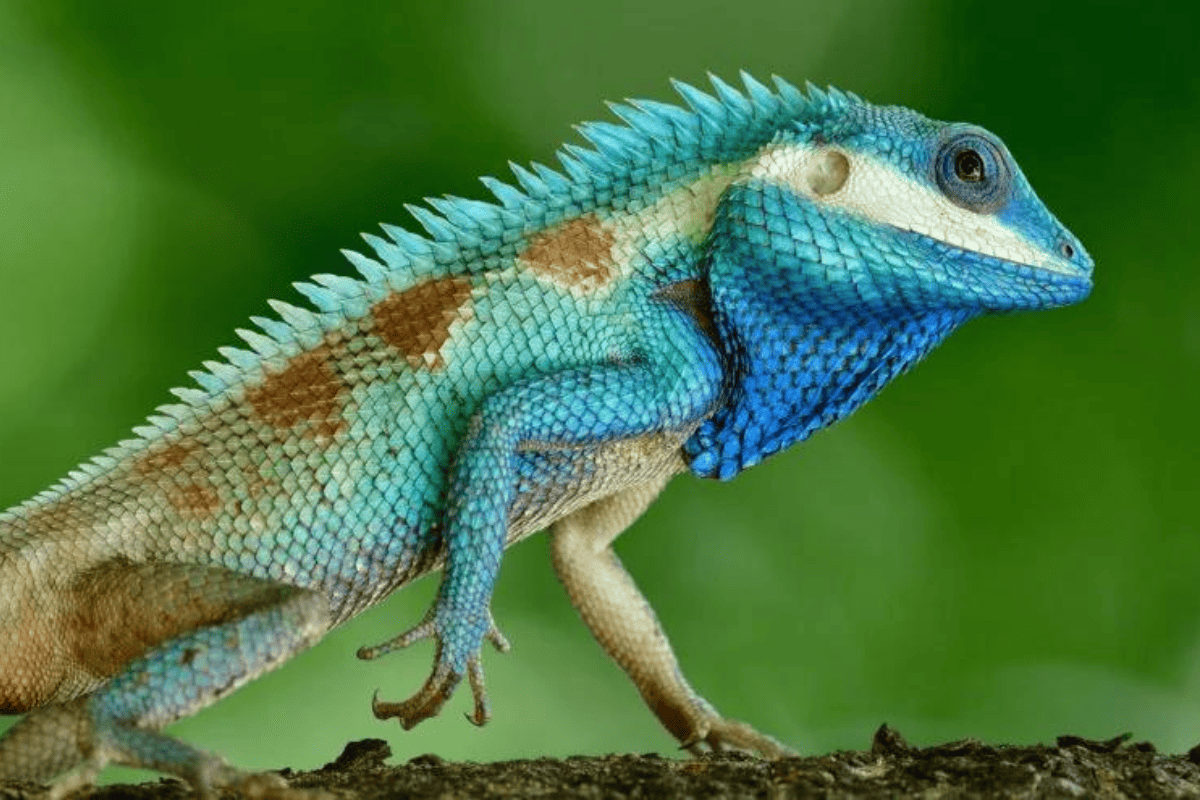
Lizards, a diverse group of reptiles with over 6,000 known species, have been resilient inhabitants of Earth for approximately 230 million years. Their survival through the mass extinction event that wiped out the dinosaurs can be attributed to their remarkable ability to adapt to various environmental conditions. Lizards, with their scaly bodies and a wide range of ecological niches, managed to persist through the aftermath of the asteroid impact by exploiting diverse habitats and food sources. The versatility of lizard adaptations, from specialized limbs for climbing to unique jaw structures for capturing prey, allowed them to thrive in different ecosystems.
Since the extinction event, lizards have undergone significant evolutionary changes, resulting in the diverse array of species we observe today. Some have developed specialized features, such as the ability to glide or even fly, like the Draco lizards. Others have evolved intricate camouflage techniques or adapted to extreme environments, showcasing the remarkable plasticity of lizard evolution. Today, lizards play crucial roles in ecosystems as both predators and prey, contributing to biodiversity and demonstrating the enduring success of their lineage.