Beetles
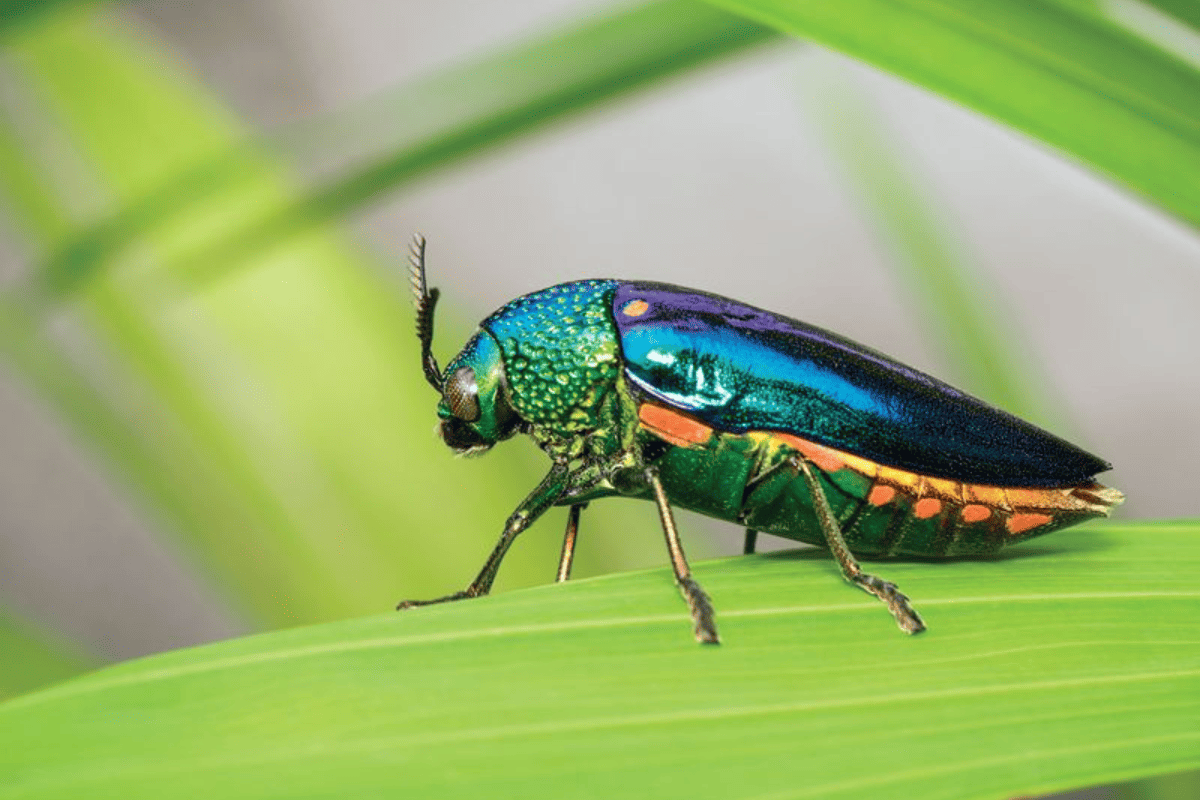
Beetles, an extraordinary group of insects boasting over 350,000 known species, stand as the largest order in the insect world, with a remarkable history spanning approximately 300 million years. The key to their survival through rough periods, including the asteroid impact that led to the extinction of the dinosaurs, lies in their adaptability. Beetles’ ability to scuttle, crawl, or fly across a wide range of landscapes, coupled with their diverse feeding habits and the protective shield of their exoskeletons, granted them the versatility needed to navigate and thrive in ever-changing ecosystems. These attributes positioned beetles to exploit an expansive array of ecological niches, providing them with the resilience required to endure the challenging consequences of the catastrophic asteroid impact.
In the wake of the asteroid impact, beetles embarked on a fascinating evolutionary trajectory, diversifying into an astonishing array of species, each equipped with unique adaptations. Some beetles developed intricate forms of mimicry, adopting colors and shapes that mimic their surroundings to deter predators effectively. Others evolved specialized mouthparts tailored for feeding on specific plant tissues, showcasing the nuanced coevolutionary relationships between beetles and their plant counterparts. The ecological contributions of beetles have proven indispensable—ranging from their role as efficient pollinators to their involvement in the vital processes of decomposition and predation.