Mollusks
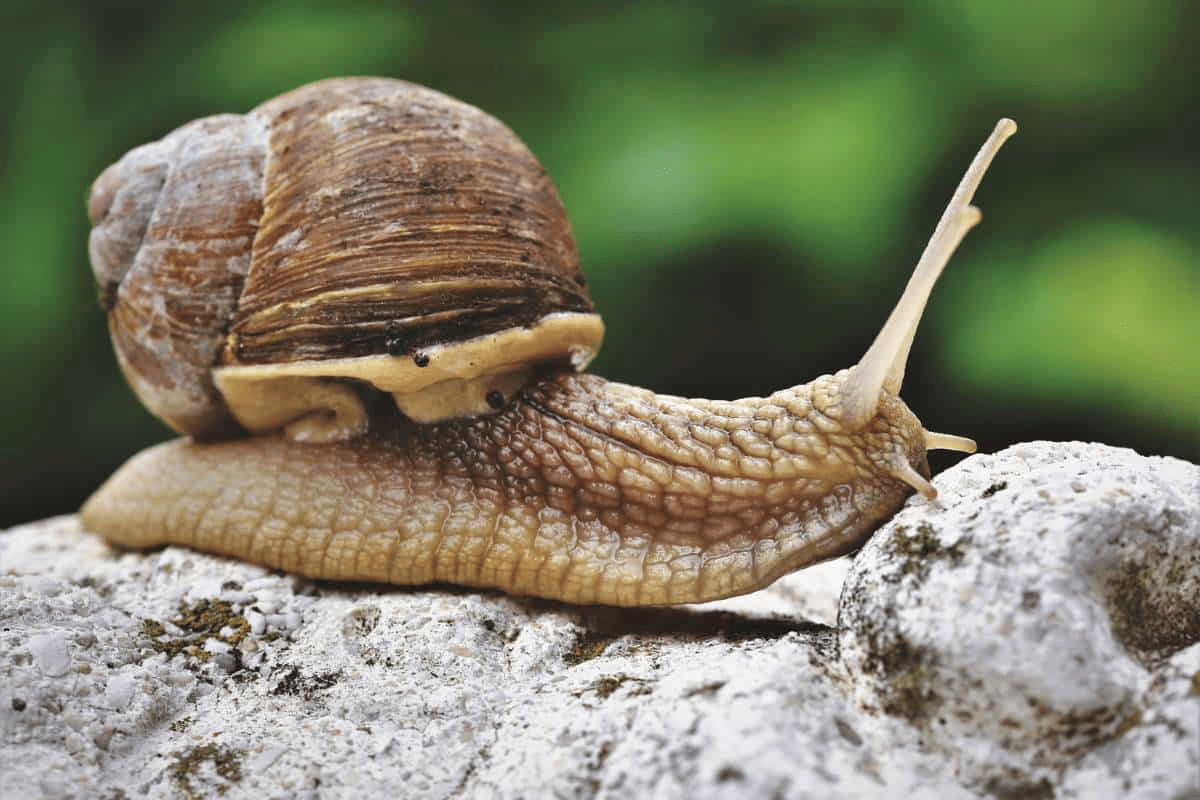
Mollusks, a fascinating and diverse group of invertebrates encompassing snails, clams, and octopuses, boast a remarkable lineage that stretches back to the Cambrian period, spanning over an impressive 500 million years of Earth’s history. Their evolutionary journey has been marked by unparalleled adaptability, enabling them to inhabit a wide array of environments, ranging from the depths of the ocean to freshwater habitats and even terrestrial landscapes. When the catastrophic asteroid impact occurred, the resilience and versatility of mollusks likely played a pivotal role in their survival. Certain species sought refuge in protected environments, such as the ocean depths or secluded terrestrial spaces, escaping the immediate catastrophic consequences and laying the foundation for their post-impact resilience.
In the modern era, mollusks continue to thrive, demonstrating an extraordinary array of adaptations that have allowed them to persist and flourish across diverse ecosystems. Snails, with their remarkable diversity, have evolved intricate shell structures and reproductive strategies that reflect their ability to adapt to different niches. Octopuses, on the other hand, showcase highly developed intelligence and problem-solving skills, underscoring the advanced capabilities that have evolved over millions of years. Bivalves, including clams and mussels, contribute significantly to marine ecosystems through their filter-feeding behavior, influencing water quality and nutrient cycling.