Snakes
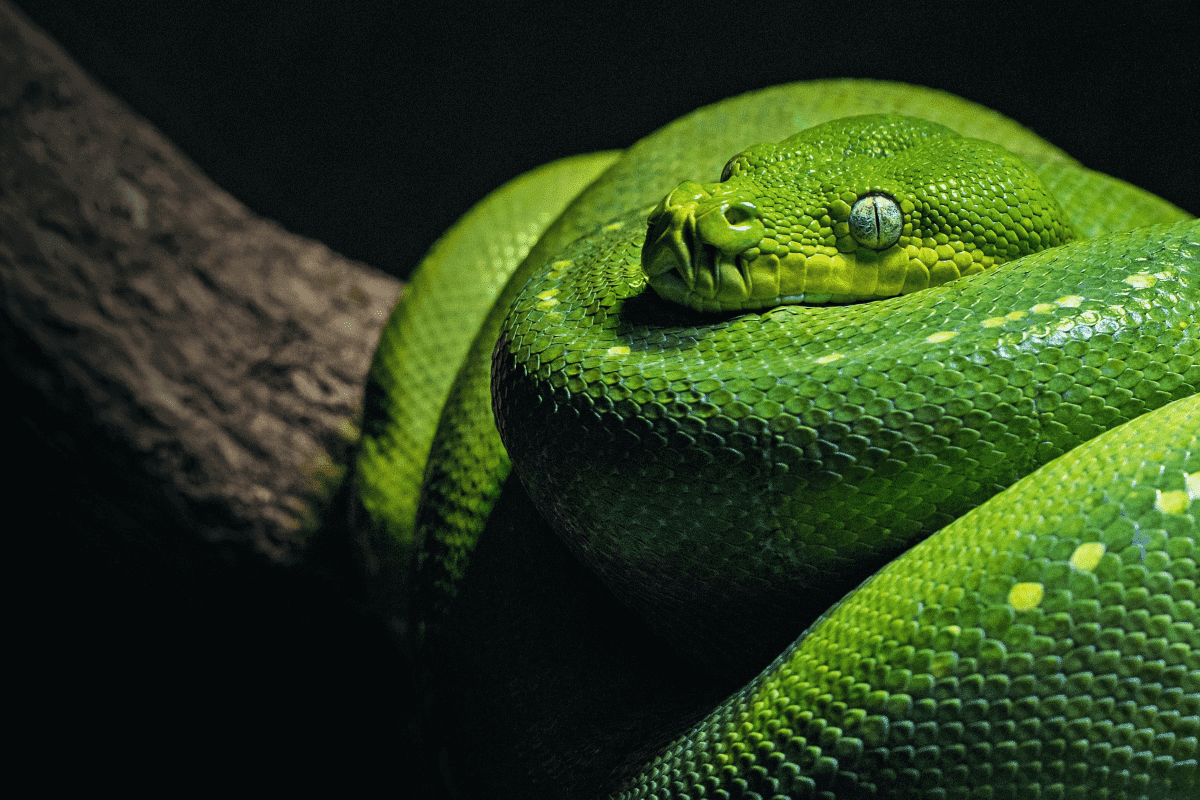
Snakes, fascinating legless reptiles with a lineage stretching back approximately 150 million years, have navigated the twists and turns of Earth’s evolutionary history with remarkable adaptability. The secret to their survival during the tumultuous times, including the asteroid impact that marked the end of the Cretaceous period, lies in their unique features. The absence of limbs, elongated bodies, and specialized feeding mechanisms allowed them to persist through the extinction event, showcasing their ability to exploit diverse ecological niches. From the dense canopies of forests to the arid expanses of deserts, snakes’ flexibility in habitat selection contributed significantly to their enduring presence in the ever-changing landscapes of our planet.
In the post-asteroid impact world snakes embarked on a journey of diversification that led to the emergence of a multitude of species, each equipped with distinctive adaptations. The evolution of venomous vipers and constricting pythons exemplifies the diverse strategies these reptiles have developed for survival. Innovations such as infrared vision, allowing some species to detect heat signatures in the dark, and highly flexible jaw structures for swallowing large prey whole are testaments to the ongoing adaptability of different snake lineages. Some species have even developed specialized behaviors for hunting and reproduction, further showcasing the evolutionary innovation within this enigmatic group.