Turtles
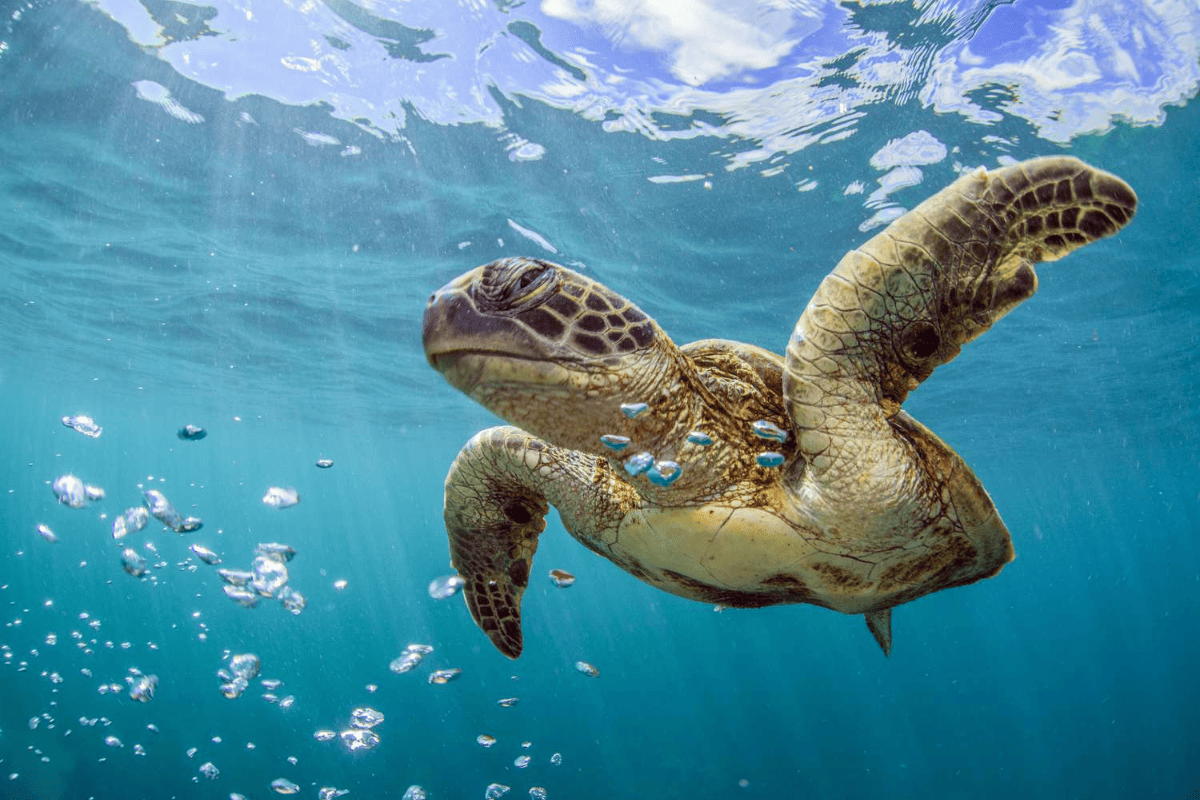
Turtles, with their distinctive shells and remarkable anatomy, stand as enduring symbols of ancient reptilian lineage, having navigated Earth’s dynamic landscapes for over 200 million years. Their survival during the tumultuous era marked by the asteroid impact that led to mass extinctions can be attributed to their ingenious defense mechanism—the ability to retreat into their shells. This unique adaptation served as an effective shield against predators and environmental disruptions, allowing turtles to weather the storms of ecological change. The versatility of turtles, equally at home in both aquatic and terrestrial realms, likely played a pivotal role in their ability to carve out niches in the post-impact world. Additionally, their comparatively low metabolic rates and capability for extended periods of dormancy provided a buffer, enabling them to endure challenging conditions that followed the catastrophic event.
In the modern era, turtles continue to enchant with their diverse array of species, ranging from the majestic sea turtles gracefully navigating oceans to the slow-moving tortoises that tread the land. Each species, such as the loggerhead turtle, leatherback turtle, and snapping turtle, reflects distinct evolutionary trajectories and survival strategies honed over millennia. Despite contemporary threats like habitat degradation and illegal poaching, turtles exhibit remarkable resilience. Conservation initiatives worldwide are dedicated to safeguarding these ancient marvels, recognizing the importance of preserving their unique evolutionary contributions to the planet’s biodiversity.