
LATEST POSTS
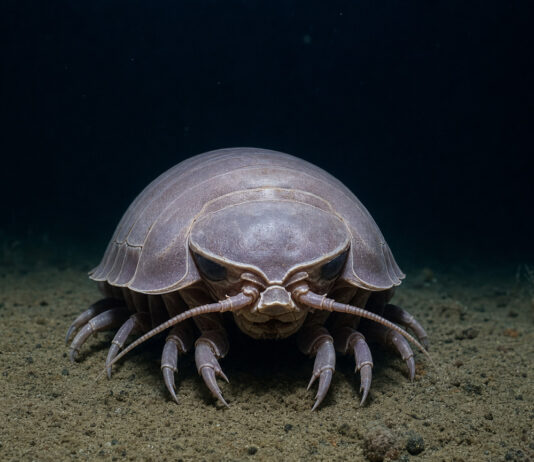
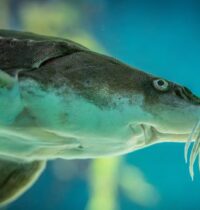
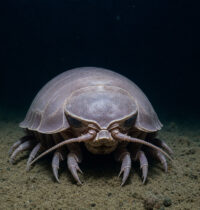
Deep-Sea Creatures That Survive Without Sunlight, Oxygen, or Food
More than 60 percent of Earth's surface is covered by deep ocean, and the strange creatures living there have evolved physiology so extreme it overturns basic assumptions about what animals need to survive.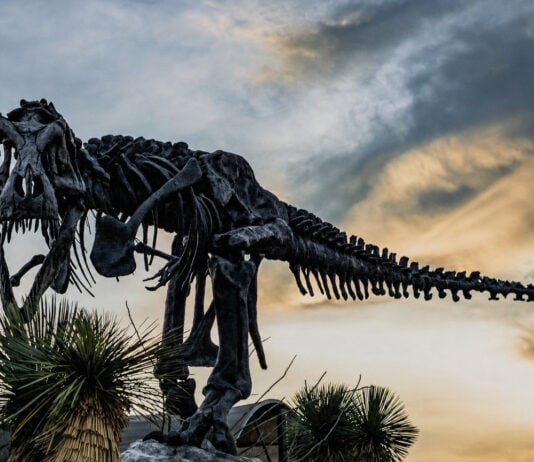
A T. rex Sprint Would Have Shattered Its Own Legs, Science Shows
A 2017 biomechanical study found that a T. rex running at blockbuster speeds would have shattered its own leg bones — one of many ways cinema has hardwired a false picture of how dinosaurs actually moved.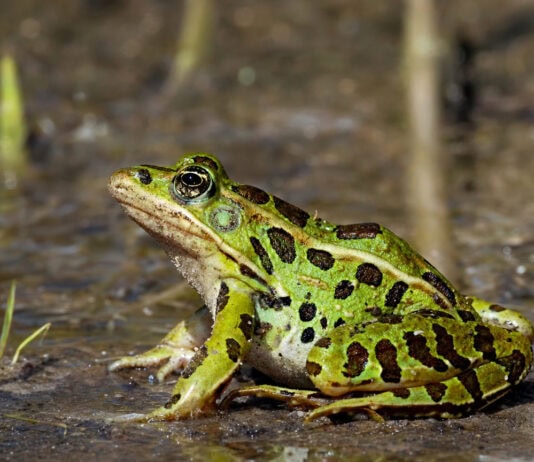
A New Frog Species Hid Undetected in NYC — and It’s Probably Not Alone
A new leopard frog species evaded science for decades on Staten Island because it looked identical to known relatives — and researchers now suspect undescribed insects and other organisms are hiding across New York City's neighborhoods.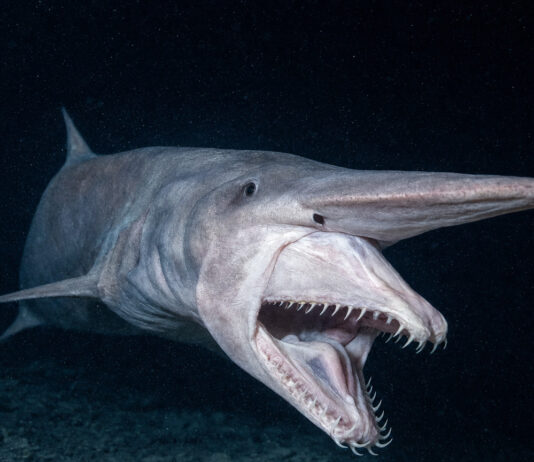
Goblin Shark’s Jaw Launches Out of Its Skull to Snag Invisible Prey
The goblin shark deploys one of the most extreme jaw-projection mechanisms of any living vertebrate, slinging its full jaw assembly forward in under a second while simultaneously generating suction — and it finds its prey first using a rostrum packed with electric-field sensors.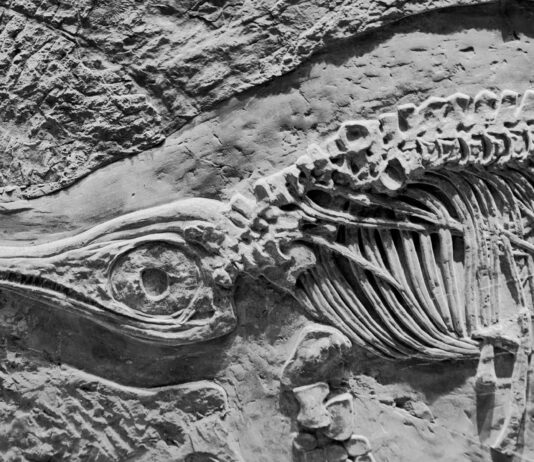
236-Million-Year-Old Fossil Pushes Live Birth Back 90 Million Years
A 236-million-year-old cynodont fossil, Chiniquodon theotonicus, shows bone-growth patterns suggesting live birth — a finding that could push the known origin of viviparity in the mammalian lineage back by 90 million years.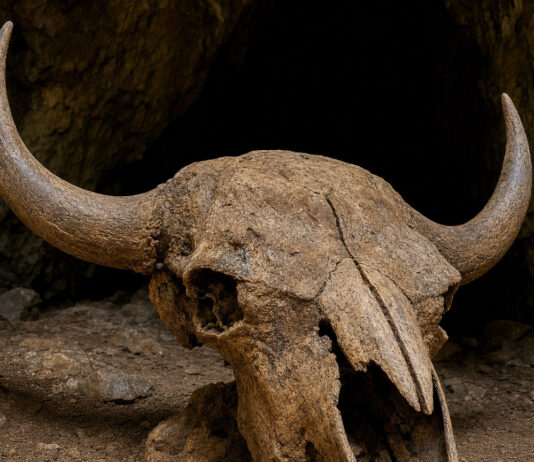
Ancient Bison DNA From 115 Genomes Exposes How Cattle Genes Invaded Modern Herds
By sequencing 115 ancient bison genomes alongside 45 modern ones, researchers built a 20,000-year genetic timeline that reveals how cattle ancestry quietly entered the bison genome — and gives wildlife managers a precise new tool to guide breeding and herd recovery.Load More
TOP POSTS
August 19, 2026
EDITOR PICKS


June 10, 2025
