Bacteria
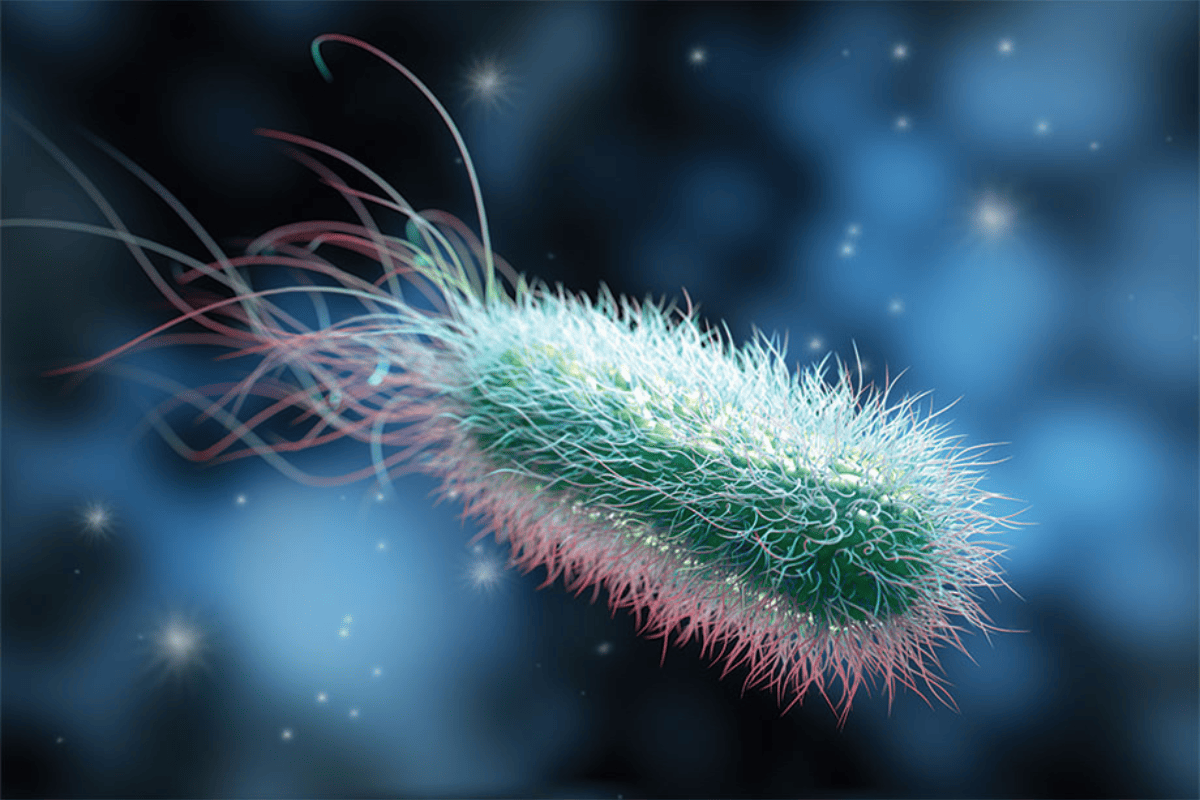
Bacteria, the humble yet omnipresent microorganisms, boast a staggering 3.5 billion-year legacy on Earth. Their microscopic stature, combined with an unparalleled ability to rapidly reproduce and diverse metabolic capabilities, has rendered them the oldest and most abundant life forms on our planet. In the wake of the asteroid impact that heralded the end of the Cretaceous period, bacteria showcased their remarkable adaptability, surviving and even thriving amidst the environmental upheavals. Their ability to endure extreme conditions, ranging from the crushing depths of deep-sea vents to the aridity of deserts, not only allowed bacteria to withstand the challenges of the post-impact world but also positioned them as indispensable architects of Earth’s ecosystems.
In the contemporary era, bacteria continue their evolutionary journey with unparalleled speed, revealing a vast reservoir of genetic diversity and adaptability. These microorganisms play multifaceted roles, serving as essential components in fundamental processes such as nutrient cycling and nitrogen fixation. Beyond their ecological functions, bacteria have become pivotal players in human health, industrial processes, and agriculture. However, the ongoing narrative of bacterial evolution is not without challenges, as witnessed in the relentless development of antibiotic resistance. This evolutionary response underscores the dynamic interplay between microorganisms and their environments, highlighting the perpetual struggle for survival and adaptation.