
LATEST POSTS
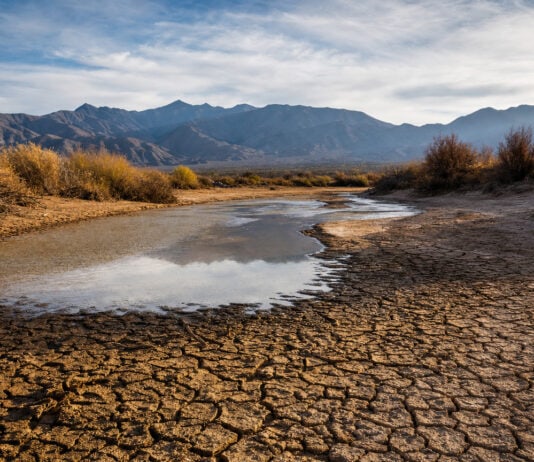
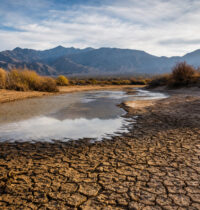
Why Rivers Are Running Dry Decades Before Hydrology Models Predicted
Three interacting mechanisms — atmospheric moisture demand, severed groundwater buffers, and soil moisture debt — are draining rivers like the Rio Grande and Colorado decades ahead of what hydrological models forecast, forcing researchers to revise core water cycle assumptions.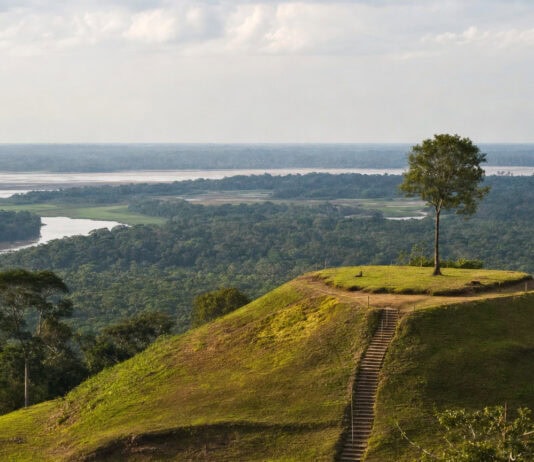
Ancient Amazon Civilization May Have Held 3 Million People, LiDAR Reveals
Airborne laser scanning is dismantling the long-held idea that the Amazon was too poor to sustain large societies, uncovering planned cities and engineered landscapes that may have supported millions before European contact.
A New Frog Species Hid Undetected in NYC — and It’s Probably Not Alone
A new leopard frog species evaded science for decades on Staten Island because it looked identical to known relatives — and researchers now suspect undescribed insects and other organisms are hiding across New York City's neighborhoods.
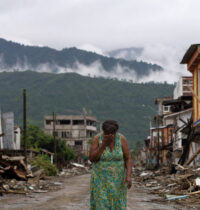
Biggest Earthquake Ever: How Valdivia’s 9.5 Killed People 10,000 Miles Away
The 1960 Valdivia earthquake registered magnitude 9.5, the highest ever recorded, and unleashed a tsunami that traveled nearly 10,000 miles to kill people in Hawaii, Japan, and the Philippines. Here's the geology and scale behind history's most powerful seismic event.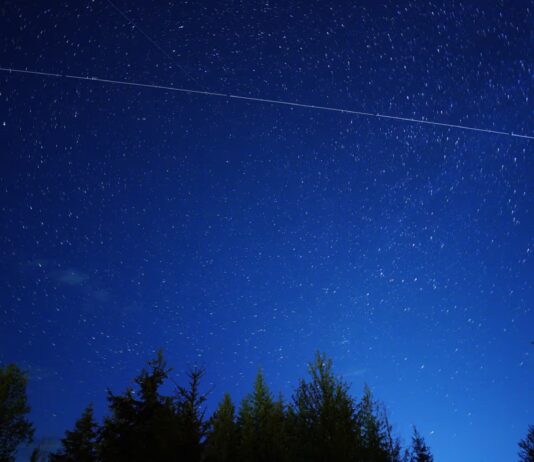
Starlink Passes 7,000 Satellites — and What That’s Doing to the Night Sky
A routine Falcon 9 launch from Vandenberg on August 11, 2026 nudged the Starlink constellation past 7,000 active satellites — a milestone that peer-reviewed research says is quietly but measurably brightening the night sky for every observer on Earth.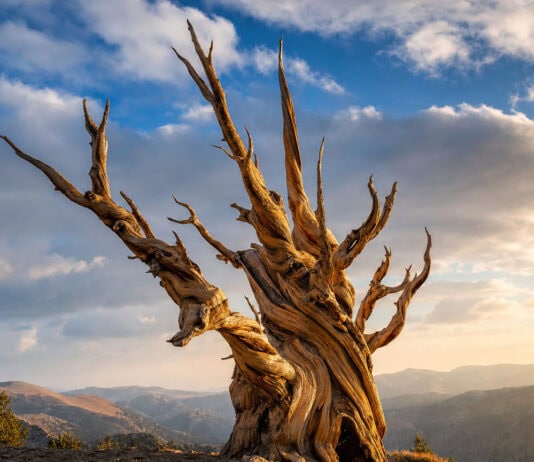
Ancient Tree Genetics: Why Population History Outweighs Age
Emerging conservation genetics research overturns a core assumption: the oldest trees are not automatically the most genetically valuable. What actually determines genomic importance is whether a tree's population survived a historical bottleneck — making demographic history, not age, the decisive factor in tree conservation.Load More
TOP POSTS


EDITOR PICKS

December 10, 2020


