LATEST POSTS

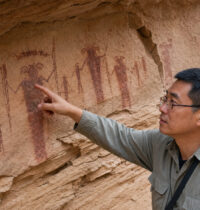
Ancient Chinese Rock Art Survived 2,000 Years Because of Human Blood
Researchers analyzing paint from the Huashan cliff murals in southern China identified human blood proteins as the binder that kept the iron-red figures vivid for over two millennia. The blood, combined with hematite and lime, triggered a mineralization process that made the paint progressively more stone-like — and harder to destroy — over time.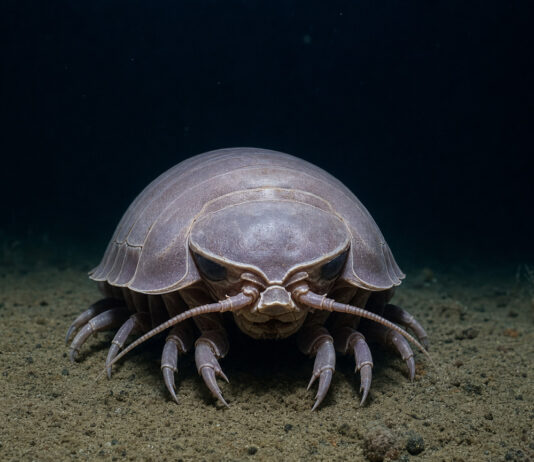
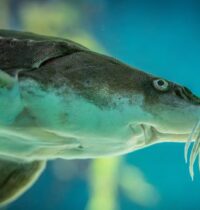
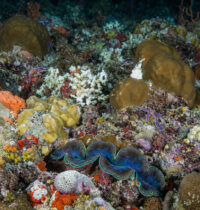
Deep-Sea Creatures That Survive Without Sunlight, Oxygen, or Food
More than 60 percent of Earth's surface is covered by deep ocean, and the strange creatures living there have evolved physiology so extreme it overturns basic assumptions about what animals need to survive.
Ancient Egyptian Princesses Were Trained Archers — Their Bones Prove It
New bioarchaeological research on royal mummies from the Dahshur necropolis shows that ancient Egyptian princesses, including Princess Ita, developed skeletal signatures consistent with habitual bow training — and functional weapons buried alongside them reinforce the finding.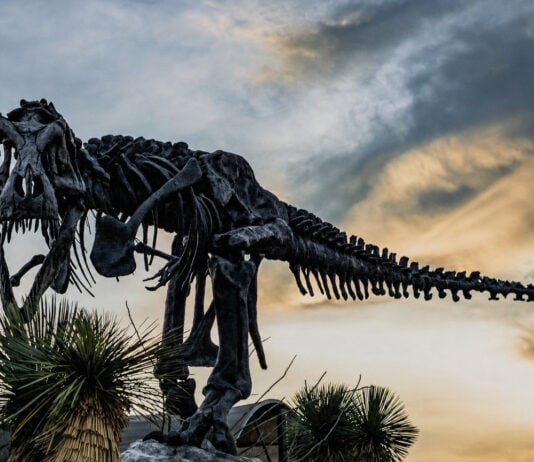
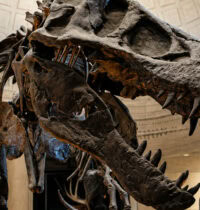
A T. rex Sprint Would Have Shattered Its Own Legs, Science Shows
A 2017 biomechanical study found that a T. rex running at blockbuster speeds would have shattered its own leg bones — one of many ways cinema has hardwired a false picture of how dinosaurs actually moved.
4 Weeks on a Fiber-Rich Diet Measurably Lowers Biological Age, Study Finds
New research shows that just four weeks on a fiber-rich, plant-based diet — free of ultra-processed foods and animal fats — produced a statistically significant reduction in participants' biological age as measured by epigenetic clocks.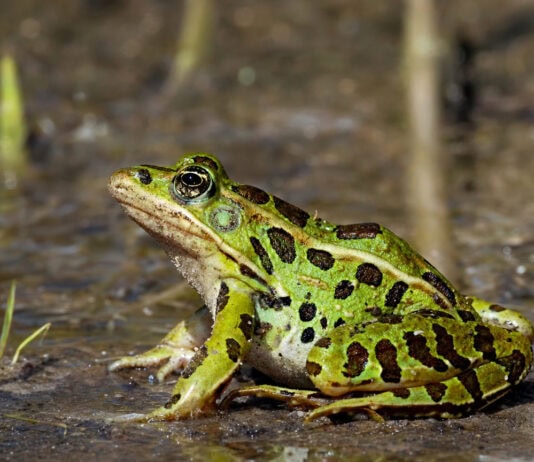
A New Frog Species Hid Undetected in NYC — and It’s Probably Not Alone
A new leopard frog species evaded science for decades on Staten Island because it looked identical to known relatives — and researchers now suspect undescribed insects and other organisms are hiding across New York City's neighborhoods.Load More
TOP POSTS
August 19, 2026