Ferns
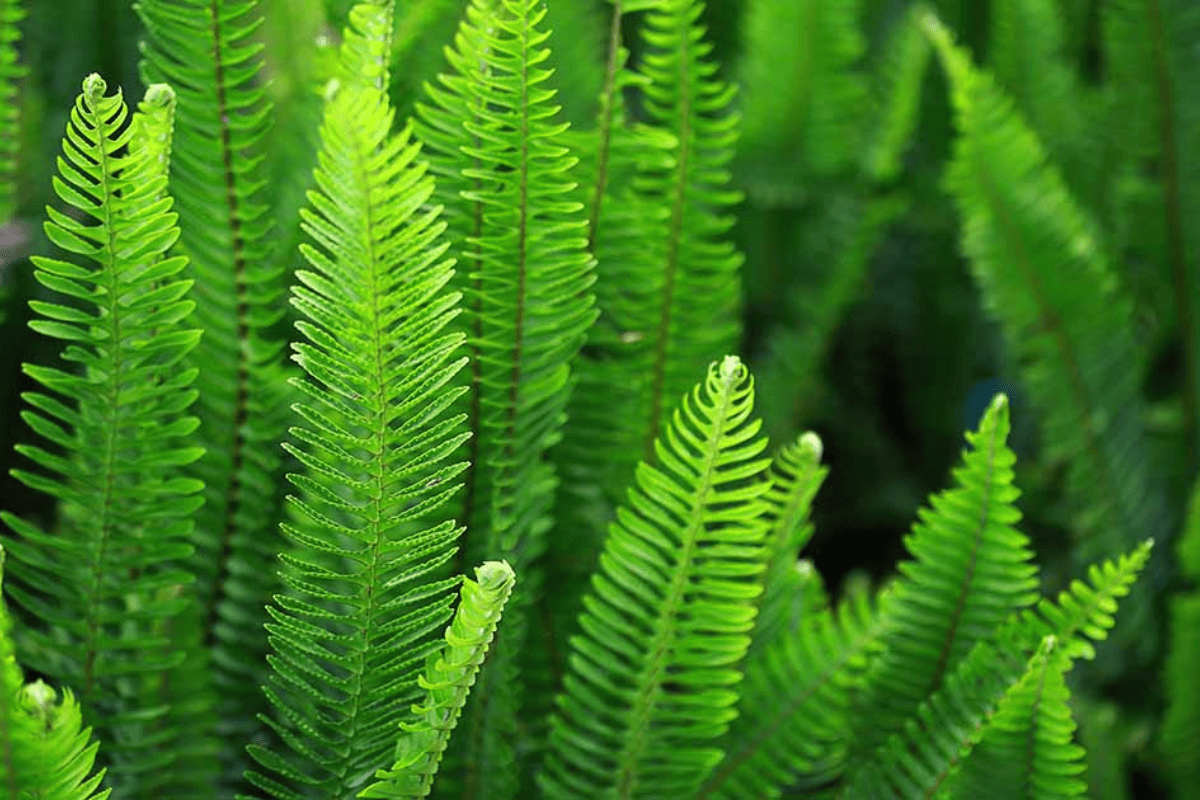
Ferns, botanical relics with roots stretching back approximately 360 million years, stand as enduring witnesses to the eons of Earth’s evolutionary history. Having withstood multiple mass extinction events, including the asteroid impact that precipitated the demise of the dinosaurs, ferns have proven their resilience. During the crucial moments following the asteroid impact, ferns employed a survival strategy centered around reproductive structures known as spores. These microscopic entities enabled ferns to swiftly colonize disturbed environments and efficiently recolonize areas where vegetation had suffered losses. This adaptability played a pivotal role in the post-apocalyptic recovery of ecosystems, allowing ferns to reclaim landscapes that had been altered by the catastrophic events of that era.
Ferns embarked on a trajectory of ongoing evolution, displaying a remarkable ability to adapt to ever-changing environmental conditions. Although they might not command the same visual prominence as their flowering counterparts, ferns play indispensable roles in forest ecosystems. Nestled in the understory, they provide crucial habitat for various organisms and contribute significantly to nutrient cycling. The diverse array of fern species has evolved unique reproductive strategies, ensuring their persistence in environments as varied as tropical rainforests and arid deserts.