LATEST POSTS
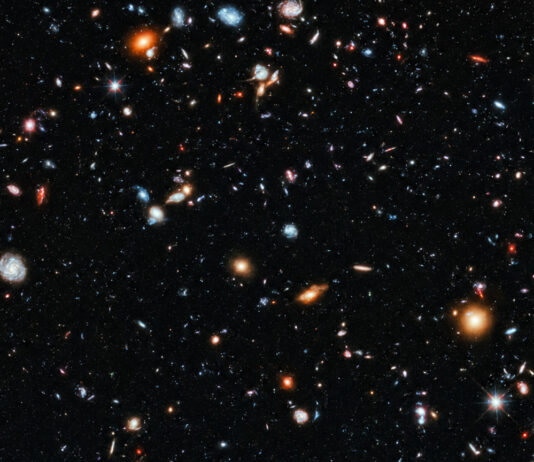
Extragalactic Astronomy: JWST Found Massive Galaxies That Shouldn’t Exist Yet
Extragalactic astronomy studies everything beyond the Milky Way, and the James Webb Space Telescope is already forcing scientists to rethink how — and how fast — galaxies form, after finding massive, fully built galaxies that existing models say shouldn't yet exist.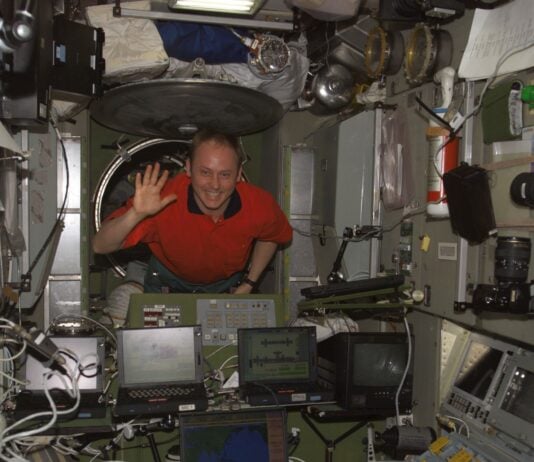
Mike Fincke’s Unexplained Speech Loss Triggered the ISS’s First-Ever Evacuation
Veteran NASA astronaut Mike Fincke suffered a sudden, unexplained loss of speech aboard the International Space Station, triggering the first medical evacuation in 25 years of continuous human presence — a cause that remains unresolved even after his retirement from the agency.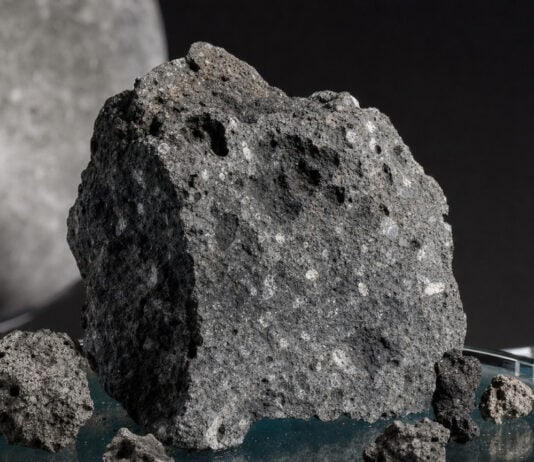
Moon Rocks Are Razor-Sharp, Not Smooth — What Apollo Samples Really Look Like
NASA's Apollo missions returned 842 pounds of lunar samples whose extraordinary textures — sharp, porous, and darkened by billions of years of solar exposure — defy the smooth gray spheres of popular imagination. Here's what lunar geology actually reveals about moon rock appearance.
NASA’s $10.5M State Hubs Target a 1-Million-Worker Aerospace Shortage
NASA has launched seven state-based aerospace workforce hubs backed by $10.5 million to address a projected shortage of one million skilled technical workers in the U.S. aerospace and defense sector. The hubs connect community colleges, K–12 programs, and industry partners to accelerate the talent pipeline.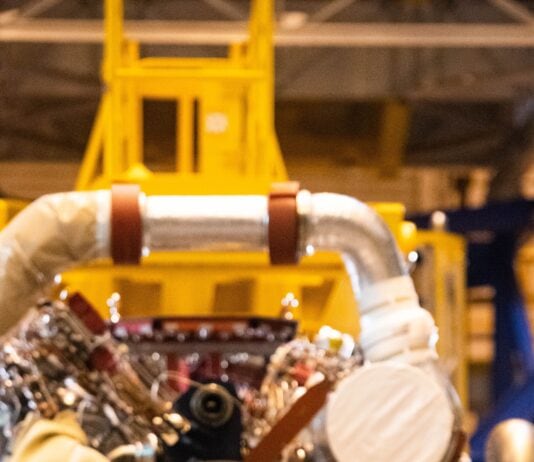
RS-25 Engine: Built for the Shuttle, Now Powering Artemis to the Moon
NASA's most powerful rocket relies on the RS-25, a 1970s-era staged-combustion engine built at a 350-person Aerojet Rocketdyne facility in Mason, Ohio — and the agency has called that workforce mission-critical to Artemis and beyond.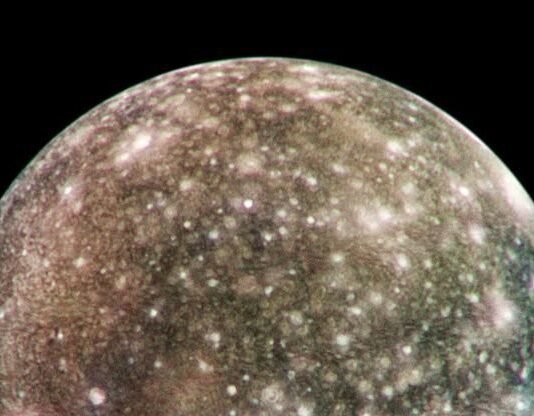
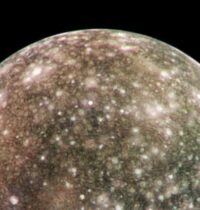
JWST Finds Ancient CO2 Trapped in Callisto’s Billion-Year-Old Craters
The James Webb Space Telescope has spotted a faint, localized veil of carbon dioxide on Callisto, Jupiter's most cratered moon — a signal scientists believe is locked inside impact scars that have gone untouched for billions of years.Load More
TOP POSTS
August 19, 2026