Sharks
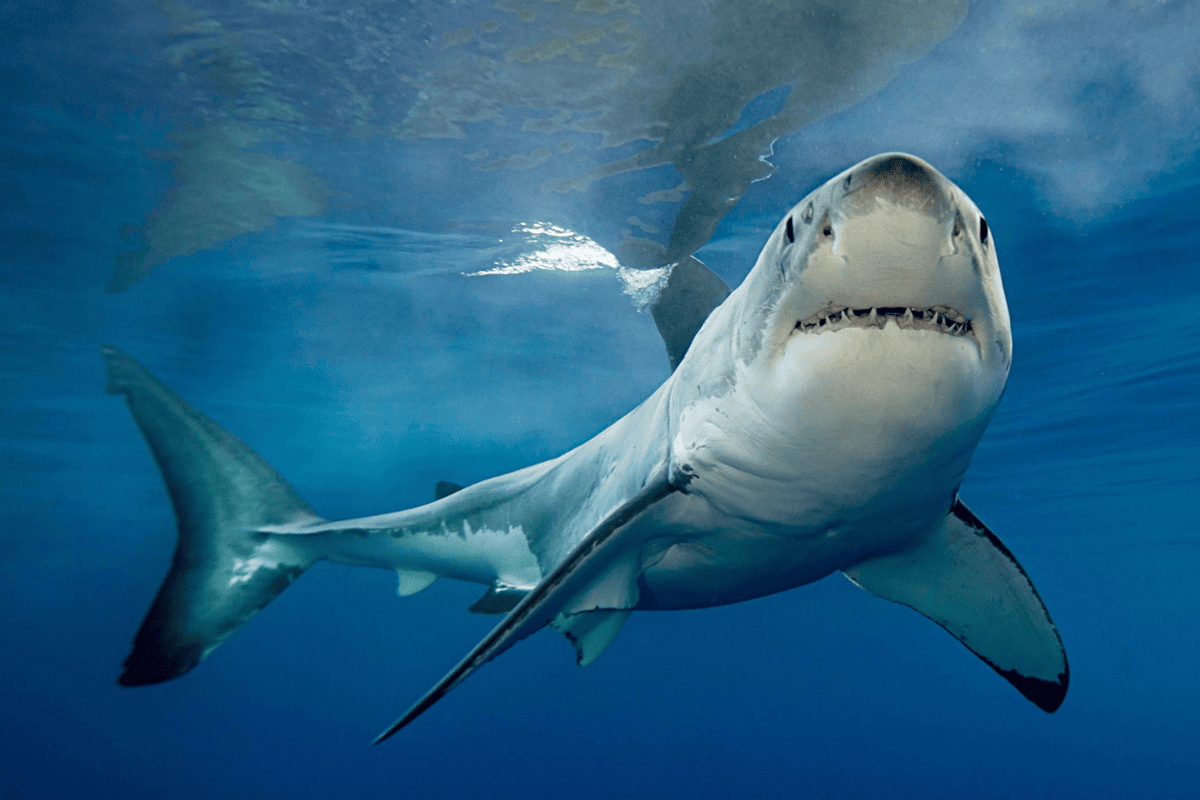
Sharks, existing for roughly 450 million years, stand as enduring symbols of marine resilience. As ancient marine predators, they have gracefully navigated the oceans, adapting to ever-changing environmental conditions. The secret to their longevity lies in the fundamental design of their bodies—cartilaginous skeletons and streamlined forms that facilitated survival through the tumultuous times, including the catastrophic asteroid impact. These anatomical features, coupled with efficient swimming mechanisms, allowed sharks to explore and exploit various ecological niches, positioning them as one of the oldest vertebrate groups on Earth. Diverse feeding strategies, ranging from the great white shark’s powerful predatory prowess to the gentle filter-feeding habits of the whale shark, further contributed to the sharks’ remarkable success in the evolutionary marathon.
In the wake of the mass extinction event, sharks embarked on a continued journey of evolution, shaping the diverse array of species that grace our oceans today. The apex predators of the seas, such as the great white shark, have finely tuned their predatory tactics, while others, like the filter-feeding whale shark, have evolved to thrive as gentle giants. The contemporary oceans, however, present new challenges for these ancient creatures. Overfishing and habitat degradation threaten their populations, yet sharks persist through remarkable resilience. Evolution has gifted them unique reproductive strategies, and conservation efforts strive to safeguard their pivotal roles as top predators.