
LATEST POSTS
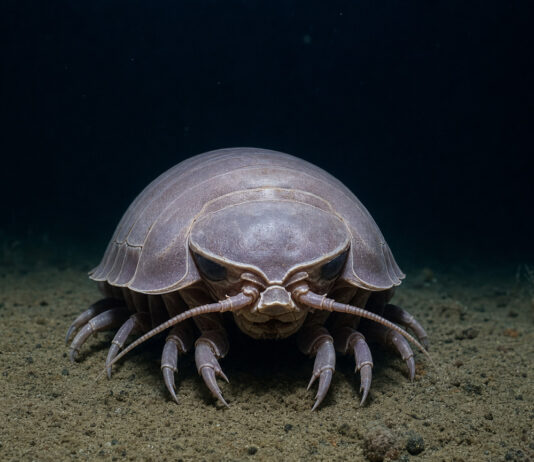
Deep-Sea Creatures That Survive Without Sunlight, Oxygen, or Food
More than 60 percent of Earth's surface is covered by deep ocean, and the strange creatures living there have evolved physiology so extreme it overturns basic assumptions about what animals need to survive.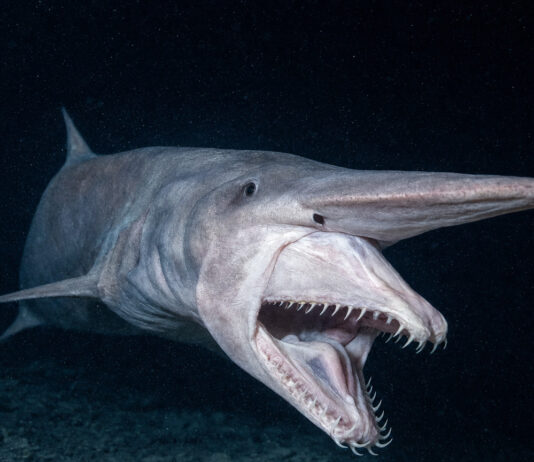
Goblin Shark’s Jaw Launches Out of Its Skull to Snag Invisible Prey
The goblin shark deploys one of the most extreme jaw-projection mechanisms of any living vertebrate, slinging its full jaw assembly forward in under a second while simultaneously generating suction — and it finds its prey first using a rostrum packed with electric-field sensors.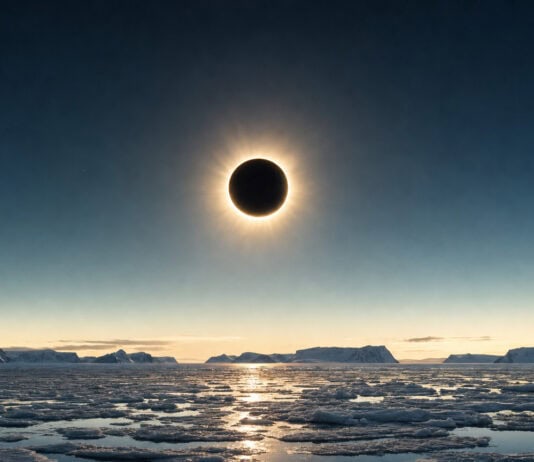
Eclipse Shadow Tops 5,000 MPH Over the Arctic — Here’s Why You Can’t Outrun It
The Moon's shadow races across Earth's surface at speeds exceeding 5,000 mph near the poles — faster than any aircraft ever built — yet the same orbital geometry that creates that velocity confines totality to a strip just 60 to 100 miles wide.
Biggest Earthquake Ever: How Valdivia’s 9.5 Killed People 10,000 Miles Away
The 1960 Valdivia earthquake registered magnitude 9.5, the highest ever recorded, and unleashed a tsunami that traveled nearly 10,000 miles to kill people in Hawaii, Japan, and the Philippines. Here's the geology and scale behind history's most powerful seismic event.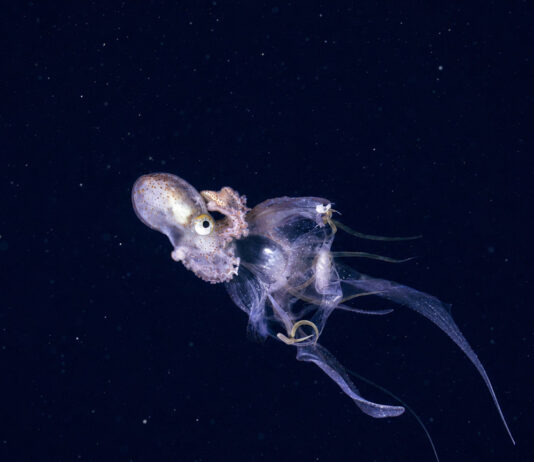
Dumbo Octopus Survives 4,000 Meters Down Where Pressure Would Crush Steel
Grimpoteuthis, the dumbo octopus, holds the depth record among all octopuses, thriving at 4,000+ meters in total darkness under 400 bar of pressure — and its fleshy, ear-like fins are the key to how it survives.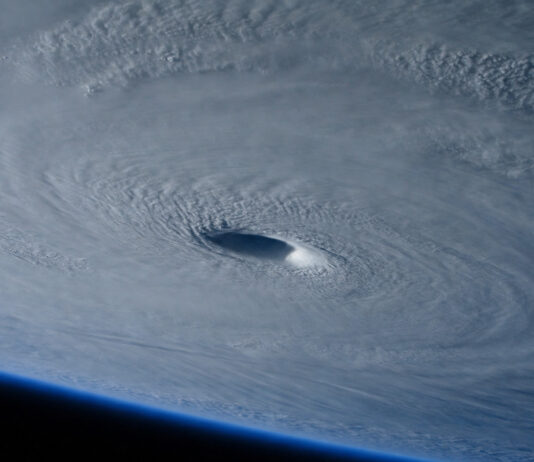
Super Typhoon Dolphin Hit 165 mph — Why the Pacific Breeds the Worst Storms
Super Typhoon Dolphin reached 165 mph on July 30, 2026, underscoring why the Northwest Pacific — with its vast warm-water runway, deep heat reservoirs, and low wind shear — is the planet's most prolific generator of extreme tropical cyclones.Load More
TOP POSTS
EDITOR PICKS

April 21, 2022


