2. Some snails, such as desert snails, estivate while others hibernate.
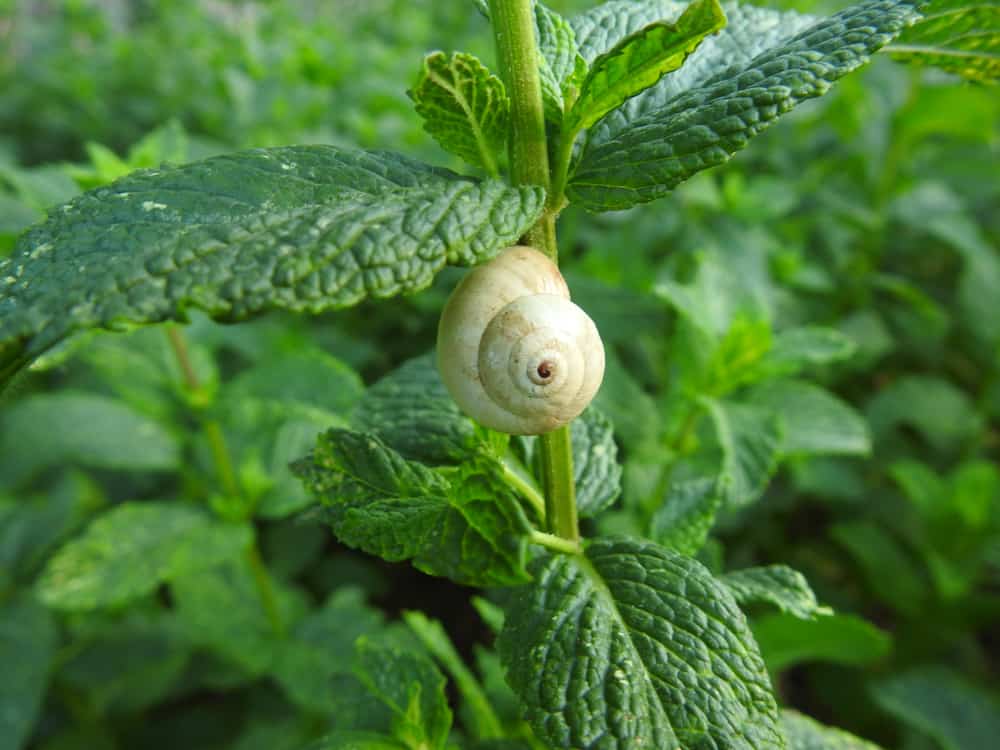
We are all pretty familiar with hibernation when some animals conserve their energy by lowering their metabolism and ‘sleeping’ through the cold months. Some small species hibernate, but they also estivate. That is essentially the summer version of hibernation, in which animals enter a prolonged dormant state. Animals do this to protect themselves from dryness and dangerously high temperatures. Snails can estivate for years. One instance of this was when a British museum worker found an Egyptian snail’s shell and assumed it was empty.
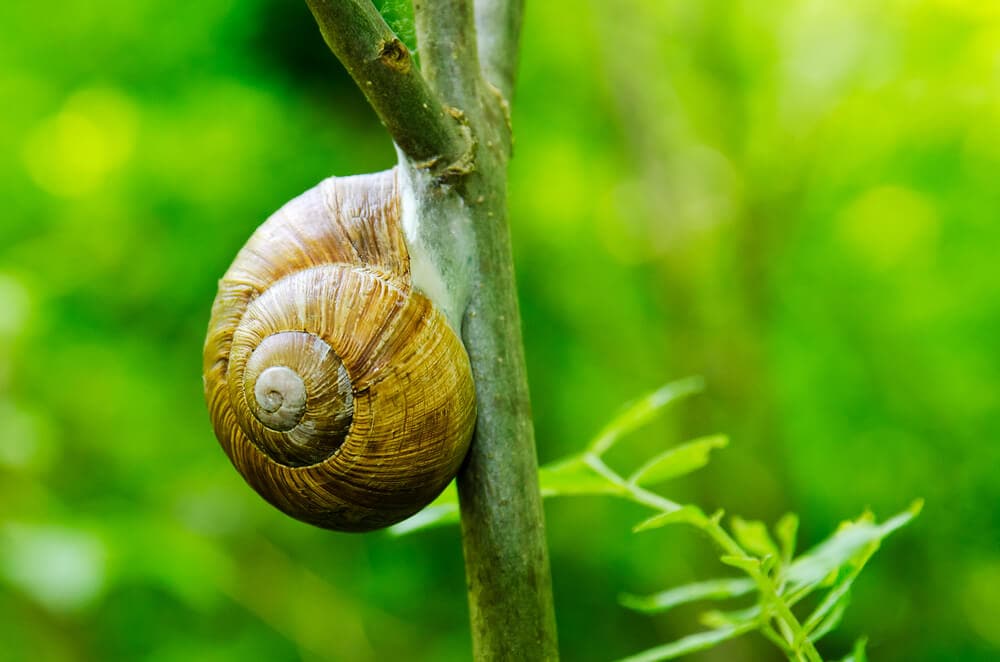
She went on to attach the shell to an identification card. Four years later, someone noticed there were traces of slime on the card. They put the shell into the water, and when the body came off the card, the workers were left stunned. As the cover came off, an alive, awake snail crawled out. The snail was estivating the entire time. Snails in colder climates can hibernate, while snails in hotter climates estivate during the summer months. Snails can decide to go into a deep sleep to avoid adverse weather conditions and periods when food is scarce. When snails go into either hibernation or estivation, they seal themselves safely inside their shells with a mucus layer that forms a hard cover over the opening.