6. In the coldest three to five months of the year, bears go into hibernation.
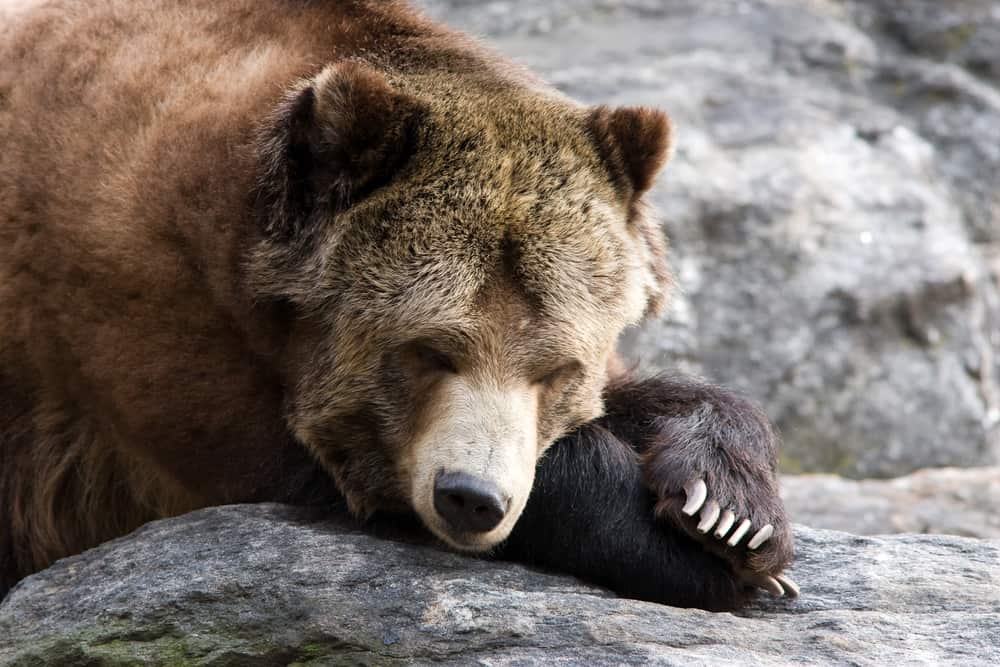
During hibernation, the bears’ bodies experience drastic changes. For instance, during hibernation, they have a reduced heart rate and blood flow. Their overall body temperature decreases by about 10 degrees, and their metabolism drops to almost half of what it is typically. The decrease in metabolism occurs so that the bear can survive without eating. Besides, the bear doesn’t go to the bathroom and rarely wakes up. For the most part, the only time it will wake up is if something comes into its den. During these three to five months, the bear will also lose up to 25 percent of its weight. While hibernating, they tend to make a den under a rock, in a hollow tree or snuggled under a fallen tree.
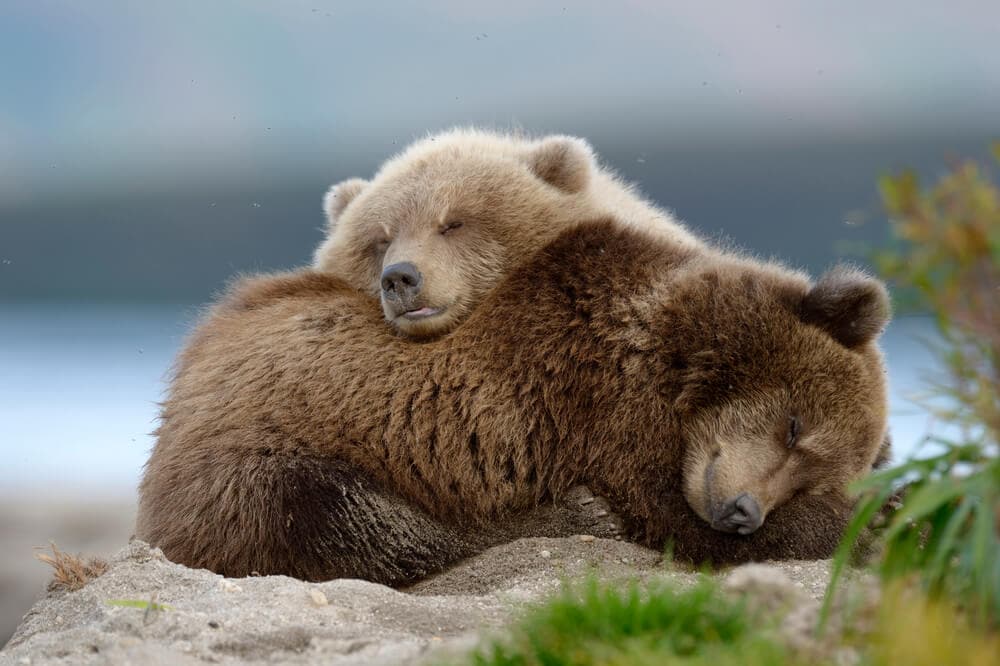
Once spring rolls around and the snow melts, their food sources begin to become available again. Bears will then wake up from their months-long hibernation. During the following few months, they hardly sleep at all. It makes sense because they have not eaten in an extremely long time and are hungry. They spend almost the entire time looking for food and getting their body weight back to normal over the next few months. As summer hits, bears begin to split their time more evenly. They nap and relax during the day and spend their nights searching for food. When fall begins, bears see it as a signal to start stocking up on food before winter begins and the cycle continues.