9. Apes, including orangutans, gorillas, and chimpanzees, all like to curl up and go to sleep, just like humans.
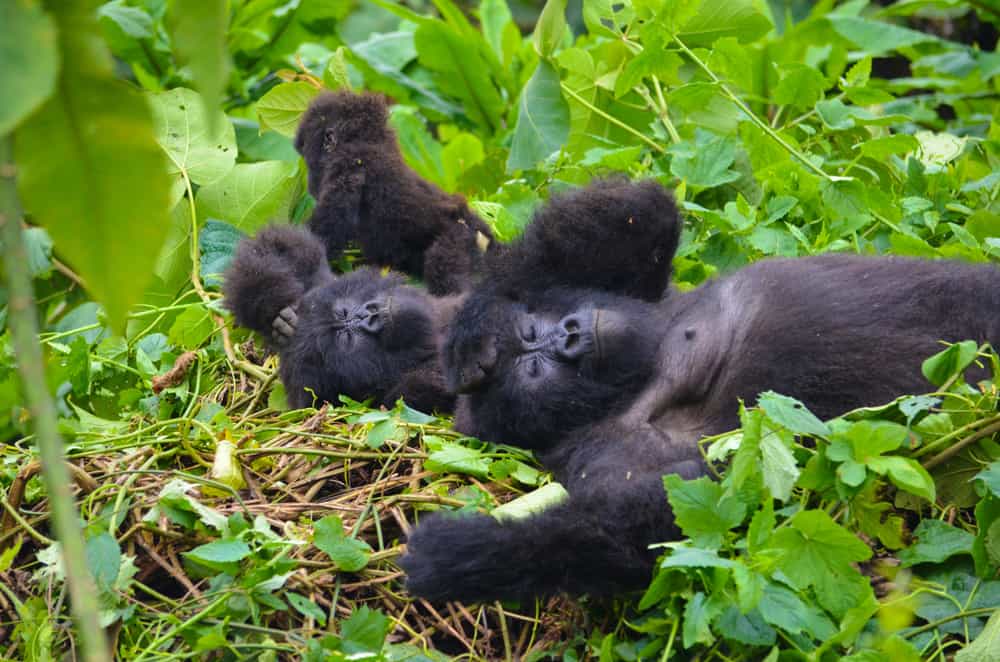
In addition to studying body positions, movements, and patterns, scientists also took a more in-depth look at their brain activity. Like chimpanzees, the rest of the ape family makes their own beds or seeks out high, platform nests away from their predators. That is often by building a sanctuary high in the treetops. By doing this, apes are able to have peace of mind as they catch up on their rest which helps them sleep much better than their counterparts. For instance, the baboon that sleeps upright.

Most of us would agree that upright sleeping is not the most comfortable or restful sleep. By creating a peaceful sleeping environment for themselves, apes can get a longer, more restful night of sleep. The difference in sleeping style plays a tremendous role in the efficiency of sleep. Orangutans like to relax, lie down, and sleep on both their front and back. The baboons with their upright sleeping are more of a guarded position. In comparison, the orangutans can get deeper, nonrapid eye movement, sleep. This better sleep could positively impact their cognitive ability. Apes have found an innovative, effective way to sleep both securely and comfortably.