8. Sloths utilize their long claws to hang onto branches while they feast and sleep so other animals can’t reach them.
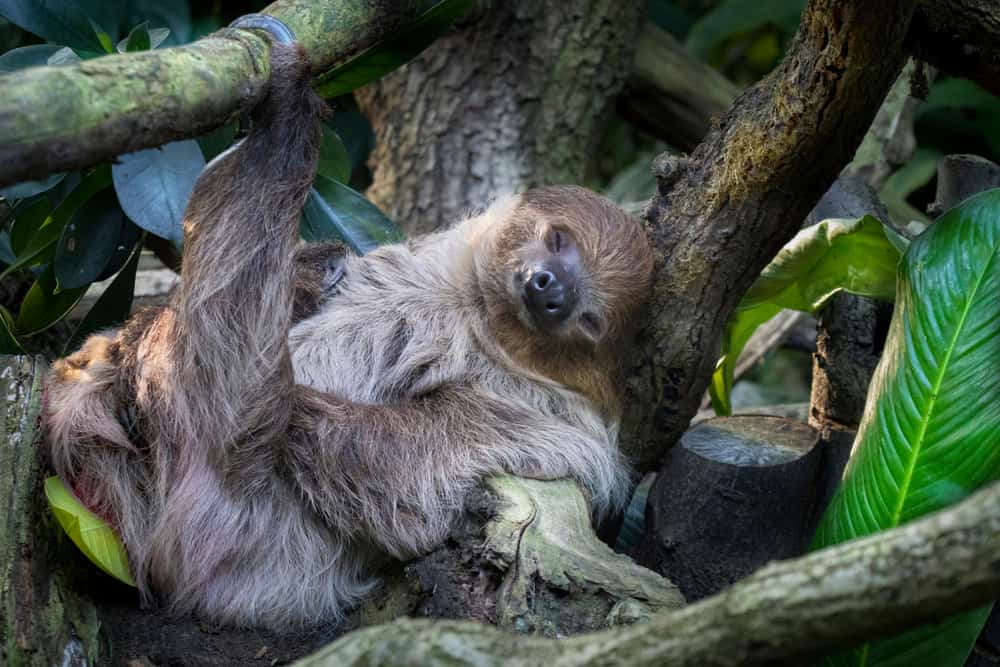
As extremely solitary creatures, sloths rarely interact with one another outside of their breeding season. While that lifestyle may seem incredibly lonely, they have little time to feel lonely given their rigorous sleep schedule. Captive sloths tend to sleep for 15 to 20 hours a day, while wild sloths average around 10 hours a day. They prefer to sleep while curled in a ball in the fork of a tropical tree. Another common sleeping position is to hang by their claws from tree branches. Most sloths occupy several trees during their lifetime, but few may spend their entire lives in the same tree they were born in.
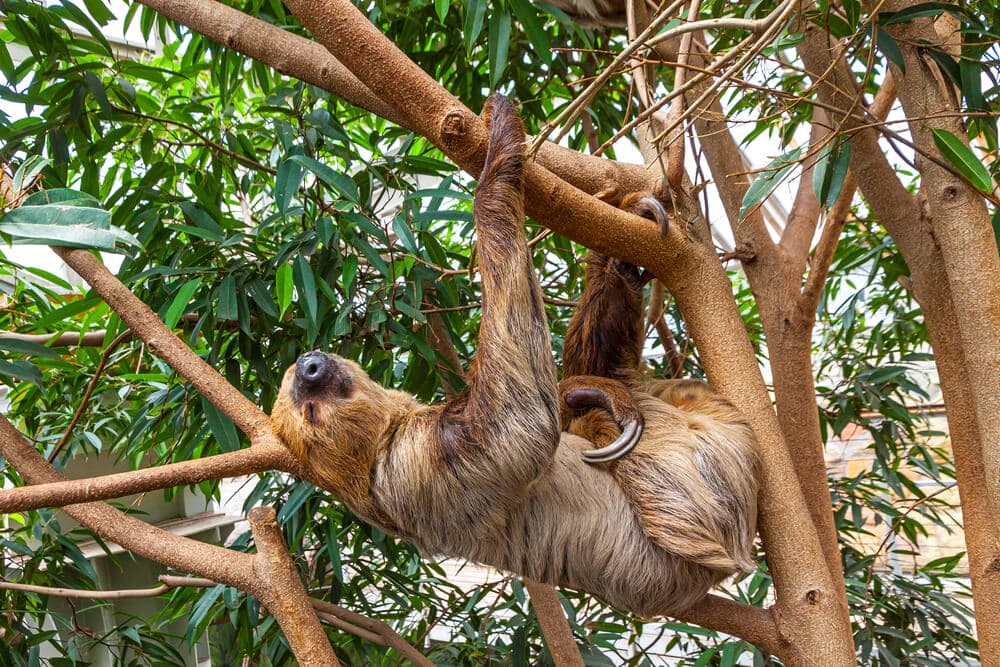
Since they spend most of their time sleeping, they must sleep in a spot that protects them from their predators. High in the tree’s fork is a comfortable place for them to wrap their arms around and drift off to sleep. In addition to sleeping in the tree, the sloth has access to leaves for eating. They may also find themselves snacking on fruit, insects, and small lizards in their trees. It is too infrequent that they come down. These mammals come down from the treetops only to poop, which occurs once a week, searching for a mate or establishing a new territory.