20. Sea otters have unique sleeping habits in comparison to other sea or land animals.
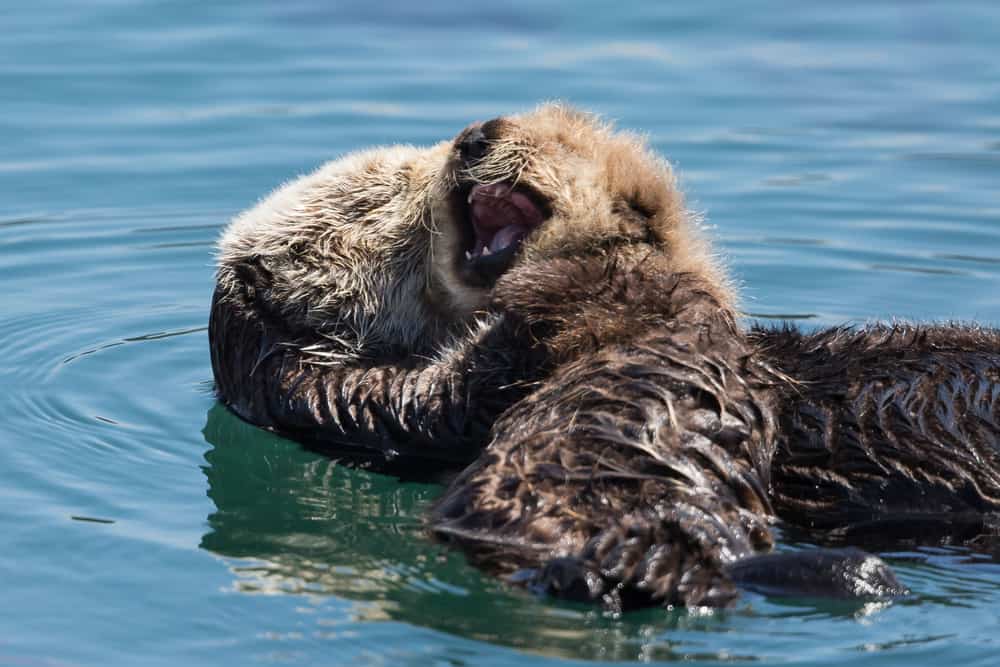
For sea otters, their sleep location of choice is the water. When they try to catch up on their sleep, they turn over on their backs and float. There are multiple reasons for this. The first is that by floating on their backs, they can stay away from any land-based predators. Land predators are not likely to enter the water. However, predators are not the only issue that sea otters must navigate while they sleep.
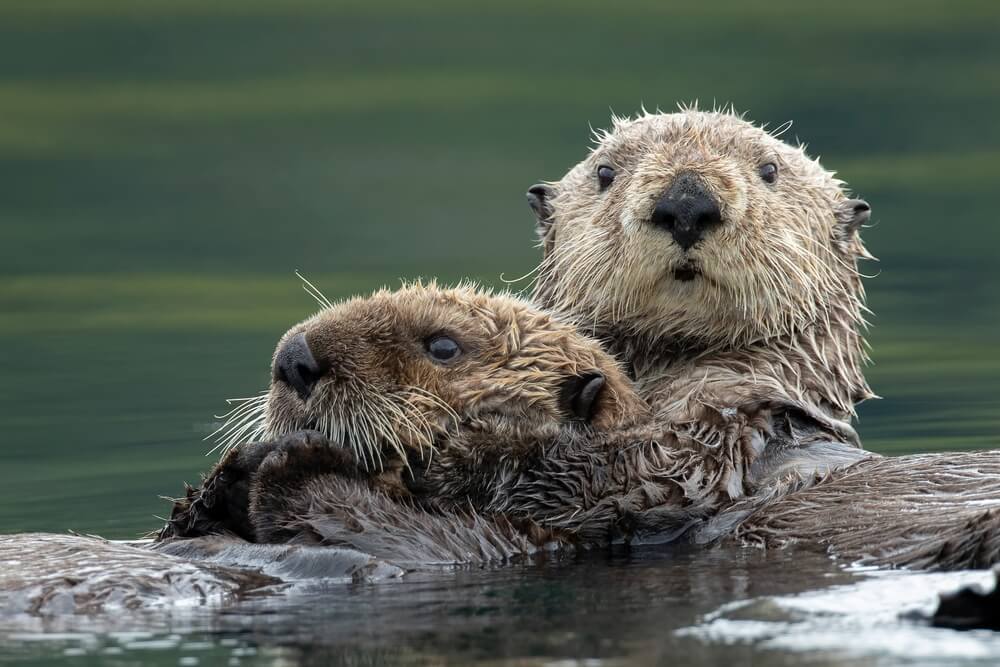
Sea otters also often wrap themselves in seaweed to prevent them from drifting away in the waters’ currents. The chunks of seaweed help slow their travel in the water and allow for them to remain together while they catch up on much-needed rest. This water animal tends to sleep in pairs or larger groups. Sometimes those groups may include up to 100 sea otters. They can hold onto each other. They do this to prevent their loved friends or family from drifting off during the night. People call these large groups of sea otters an otter raft. Sleeping up to 11 hours a day, sea otters have found ways to stay intertwined with one another to not only avoid potential predators but also to prevent them from floating away from the group.