10. Frogs are equipped to hibernate with a natural kind of antifreeze.
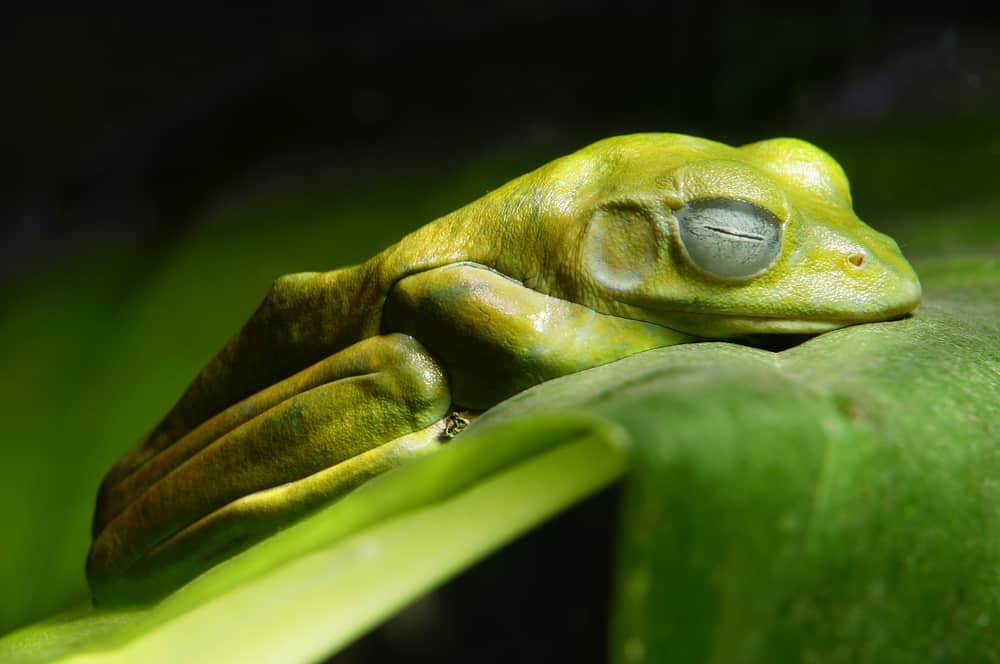
Although frogs can be pretty small animals compared to their larger, furrier friends, they can also survive the cold, winter months by hibernating. They have a natural antifreeze, which means that high glucose concentrations under the skin prevent freezing. However, ice crystals may still form in the animal’s body cavities. The natural antifreeze prevents the frog’s vital organs from freezing. During dry spells, the frogs that estivate burrow into the soil and shed several skin layers to form a cocoon. When they do this, they leave only their nose exposed to breathe.
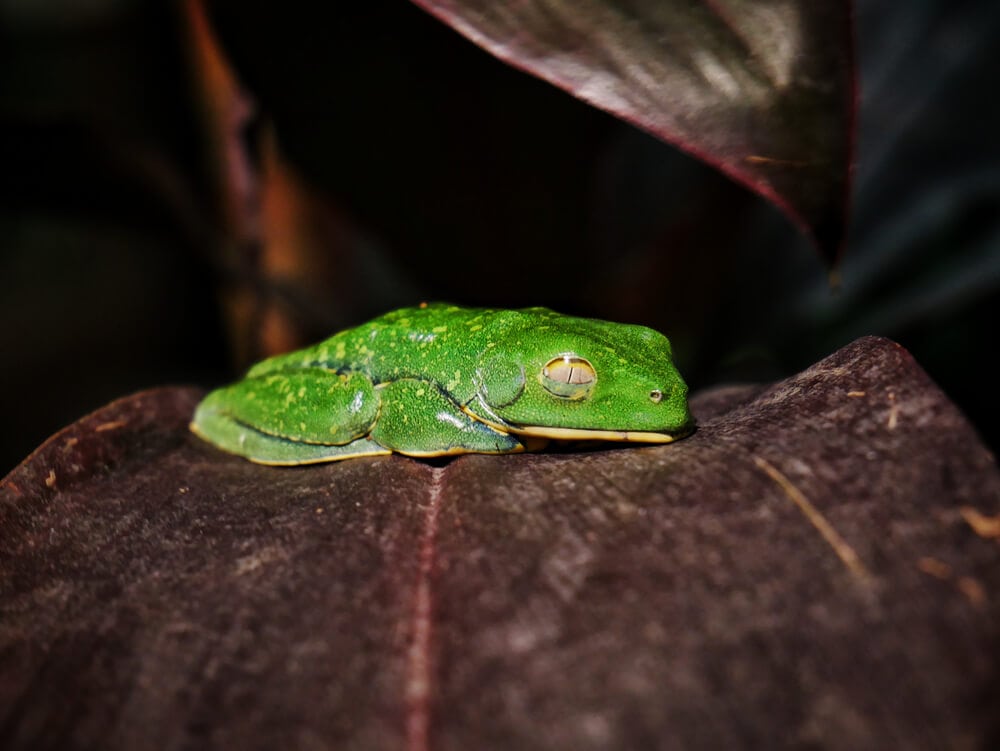
When the rain comes again, they will then shed the cocoon and climb to the surface. Some aquatic frogs can hibernate underwater and rest atop or partially buried in the mud to ensure access to oxygen-rich water. Terrestrial frogs and American toads hibernate by burrowing into the soil below the frost line or hiding in the cracks of logs or rocks. Interestingly, the frog can partially freeze during those winter months and even stop breathing. Its heart can stop beating as well. When spring comes around and brings with it warmer temperatures, the frog will thaw out and return to life with its normal bodily functions.