Training for On-Orbit Operations
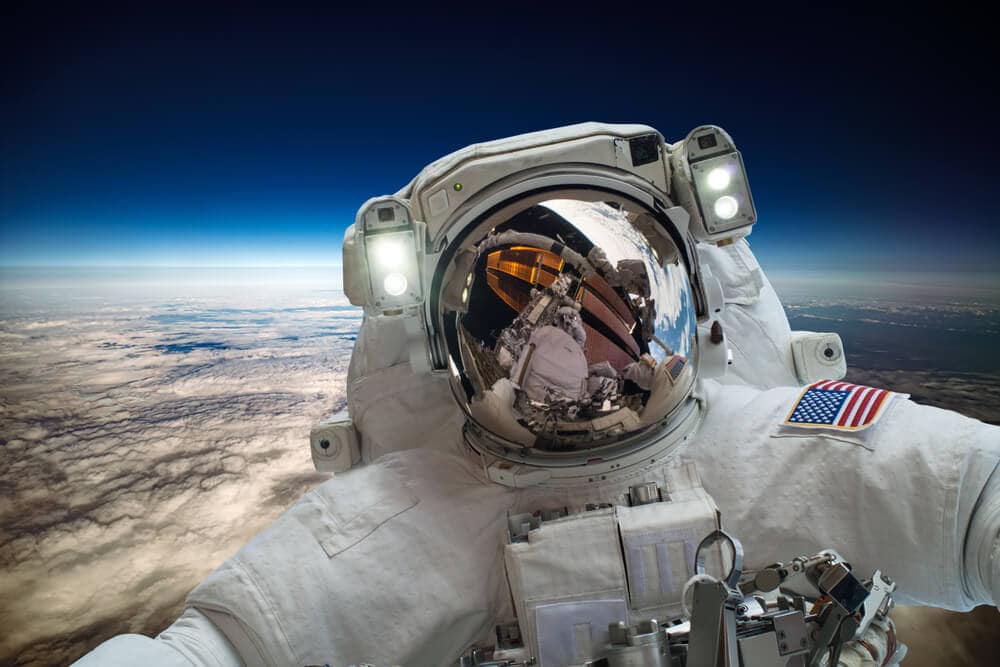
The next events that astronauts are prepared for are the conditions of launch and the harsh space environment. The training prepares their bodies for the harsh environments of space and how to operate the spacecraft’s many functions once they’re in outer space. They’re taken through the different engineering systems so that they know how to make it all work. They’re provided additional training in astronomy and Earth observation, which are useful skills to have once they’re on the ISS. Astronauts are also put through scenarios that expose them to space hazards, such as what to do if life support starts to fail.
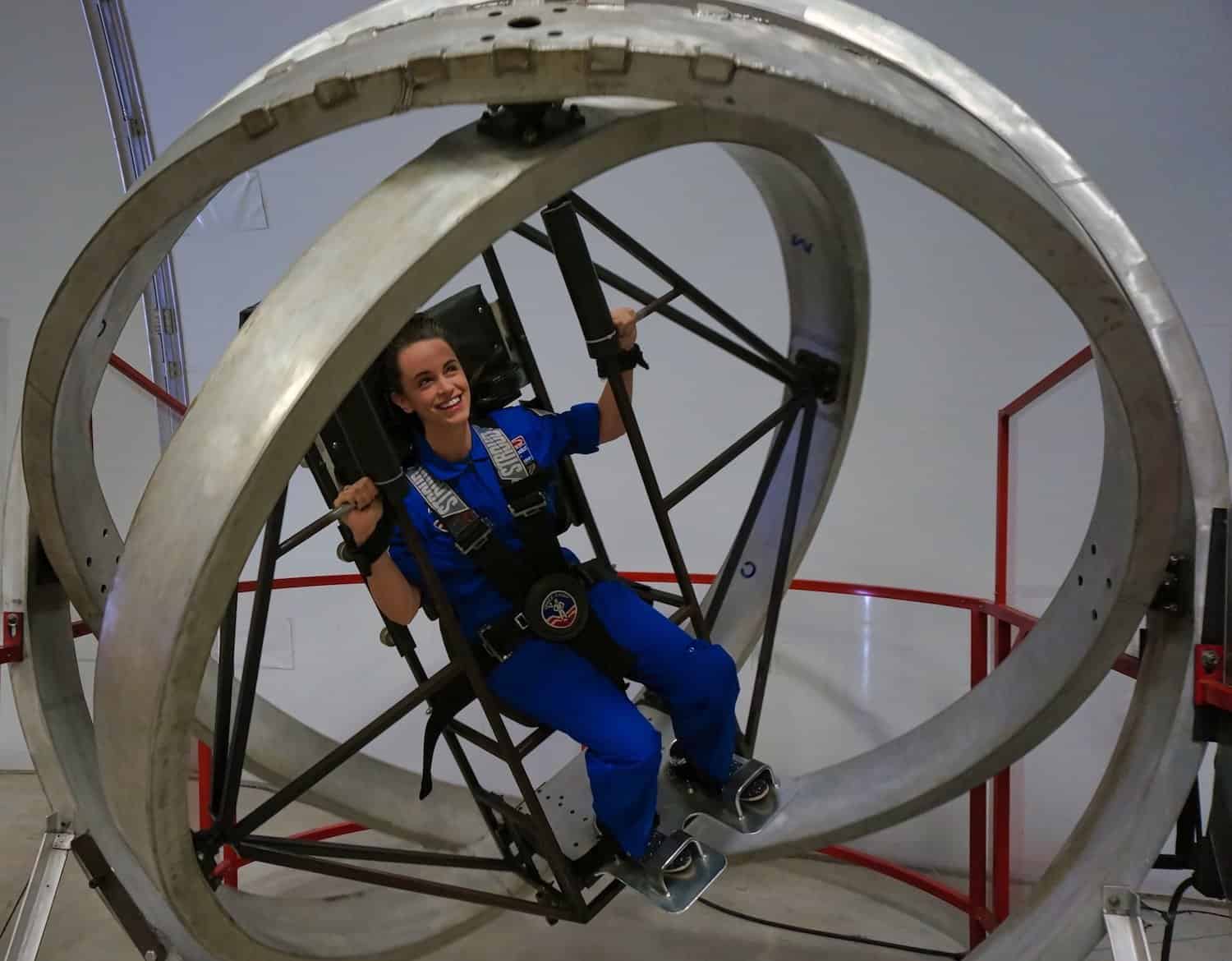
After a year of basic training, new astronauts undergo advanced training. It includes sixteen different courses, which cover all necessary shuttle-related crew training. This advanced training can be split into two categories: system-related and phase-related training. System-related training is mainly carried out by low- and medium-fidelity trainers and computer-aided instructional software. It provides one-on-one training with simulators by essentially creating intentional problems and making the students solve them. The phase-related practice focuses on the skills the astronauts will need in space during the mission, from liftoff to landing. About three months before an actual launch, the team starts the “flight-specific integrated simulations” to ensure a smooth launch and flight.