Bonus Requirements: Padding Out the Resume
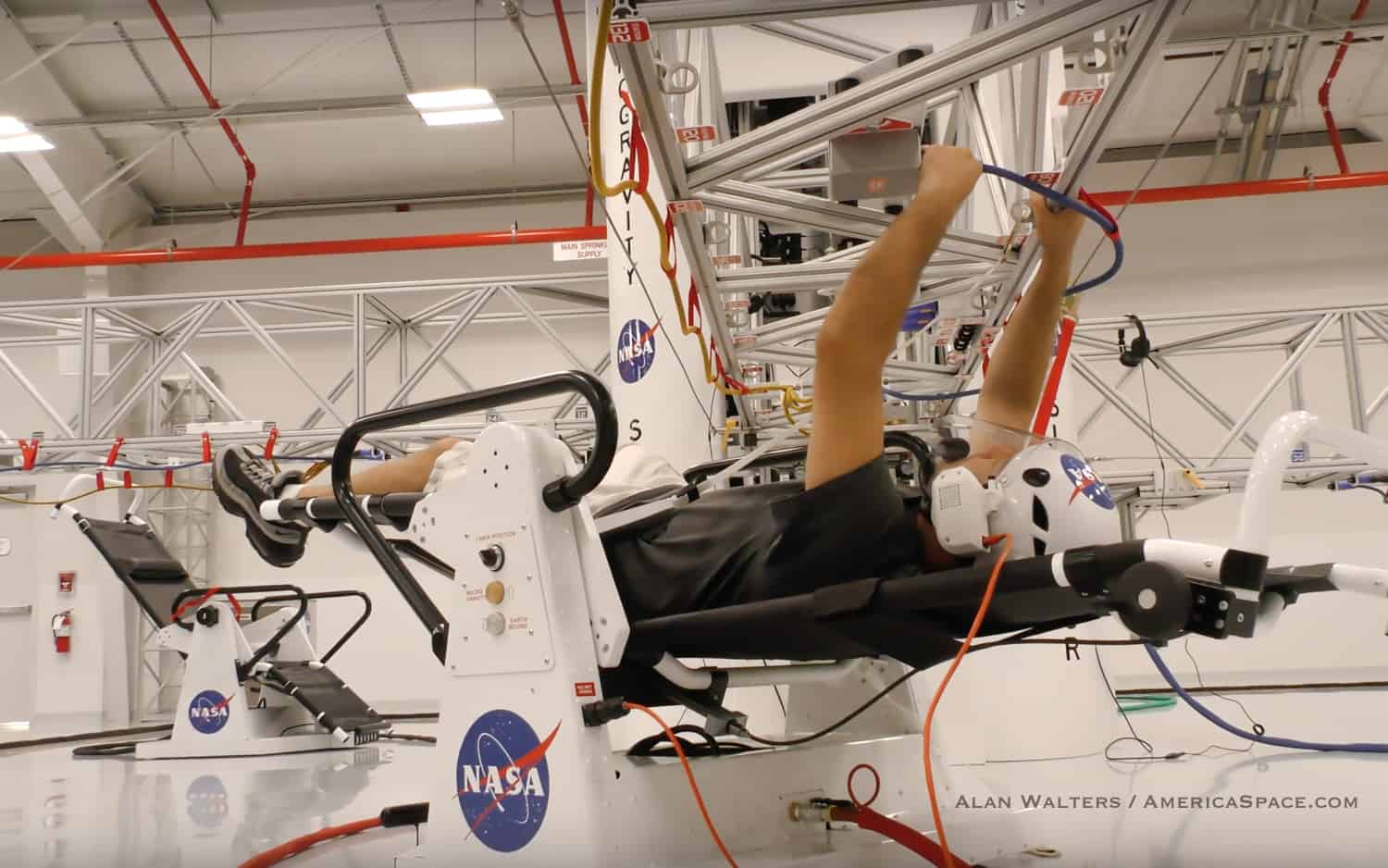
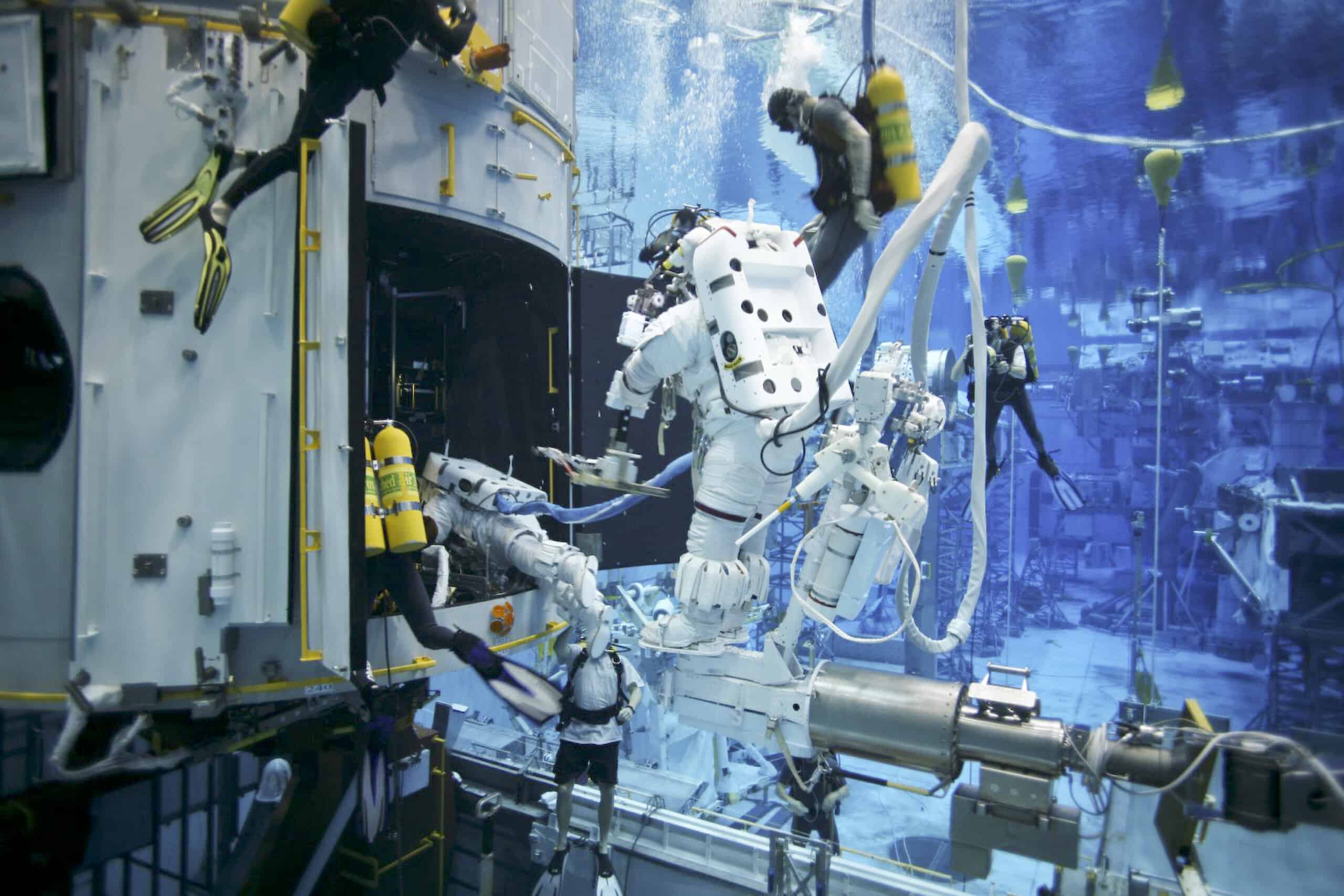
NASA considers other skills and experiences, such as SCUBA diving, knowing other languages, and experience in leadership. Being as versatile as possible may help your chances of getting on the roster. One of the most highly prized skills, believe it or not, is a medical degree, since astronauts on the stations can conduct space-based biomedical research to understand better how living in space impacts the human body. They can even perform innovative cancer research in the station’s laboratory. Microgravity, or feeble gravity, is very useful to gain insight into human health and diseases that affect humanity.
Another great skill is being multilingual. One of the critical languages to help you get in would be Russian, as all astronauts must speak it in today’s age. Because astronauts ride on a Russian Soyuz spacecraft through a Russian territory in Kazakhstan, it might be a good idea to start taking classes before you apply. Experts are even toying with the idea of an international space language, especially with the International Space Station running out of funding. With China potentially partnering with Europe in the future and multiple countries attempting to land on Mars, perhaps an international space language isn’t as foreign as it sounds.