Training in Launching and Landing
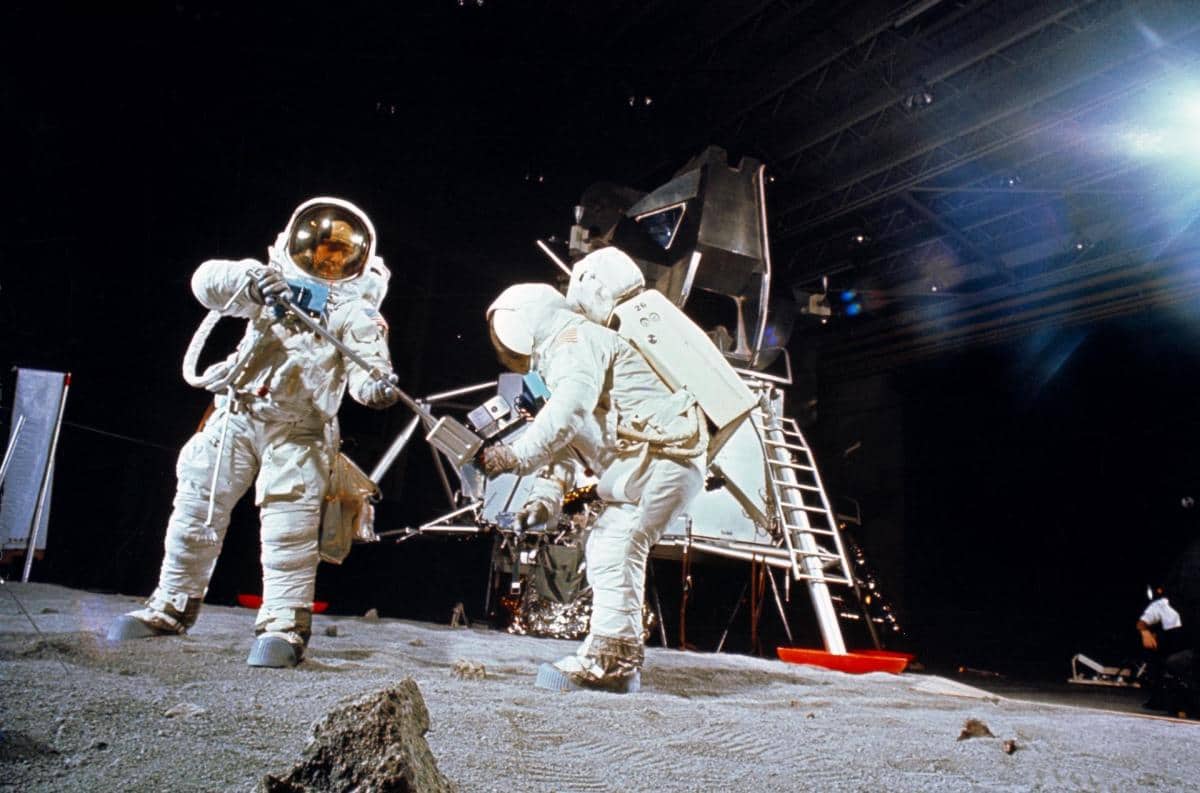
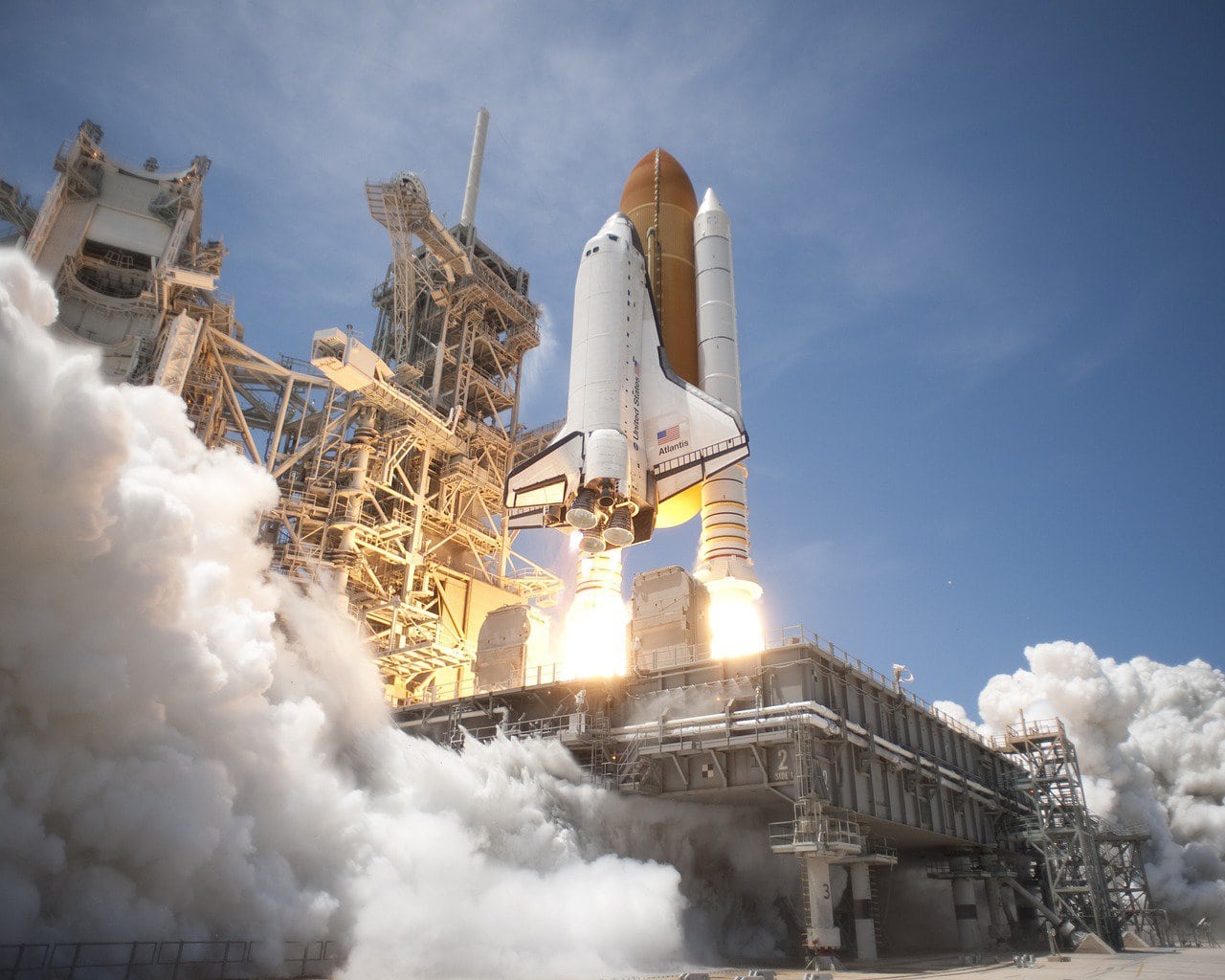
The process of traversing the Earth’s atmosphere and gravitational pull has profound effects on an astronaut’s body. The most common side effects are space motion sickness, cardiovascular conditions, and orthostatic intolerance (affecting the circulatory system). Training helps the body minimize these conditions’ effects or prepare the trainees for what’s to come once they’re in space. 60% to 80% of astronauts experience motion sickness symptoms, which are usually gone within two days. As the crew flight programs have become more sophisticated over time, the training processes have become more rigorous to meet the Space Shuttle’s needs.
Astronaut training is held under the organization of the JSC’s Mission Operations Directorate. As their training progresses, their individual learning experience is honed through a “single systems trainer,” or SST, which contains computer databases with software that allows them to interact with controls like those of the shuttle. Other primary operations training facilities include the Computer Aided Instructional Trainer or CAIT. CAIT combines the textbook lessons and the simulators to provide a hands-on experience of software capabilities and on-orbit duties, orbiter workstations, and remote manipulator systems. Most of these systems aren’t just for new students, though; members of the astronaut corps regularly use them to help them maintain their fluency in their specialized areas!