Learning How to Conduct Science Experiments
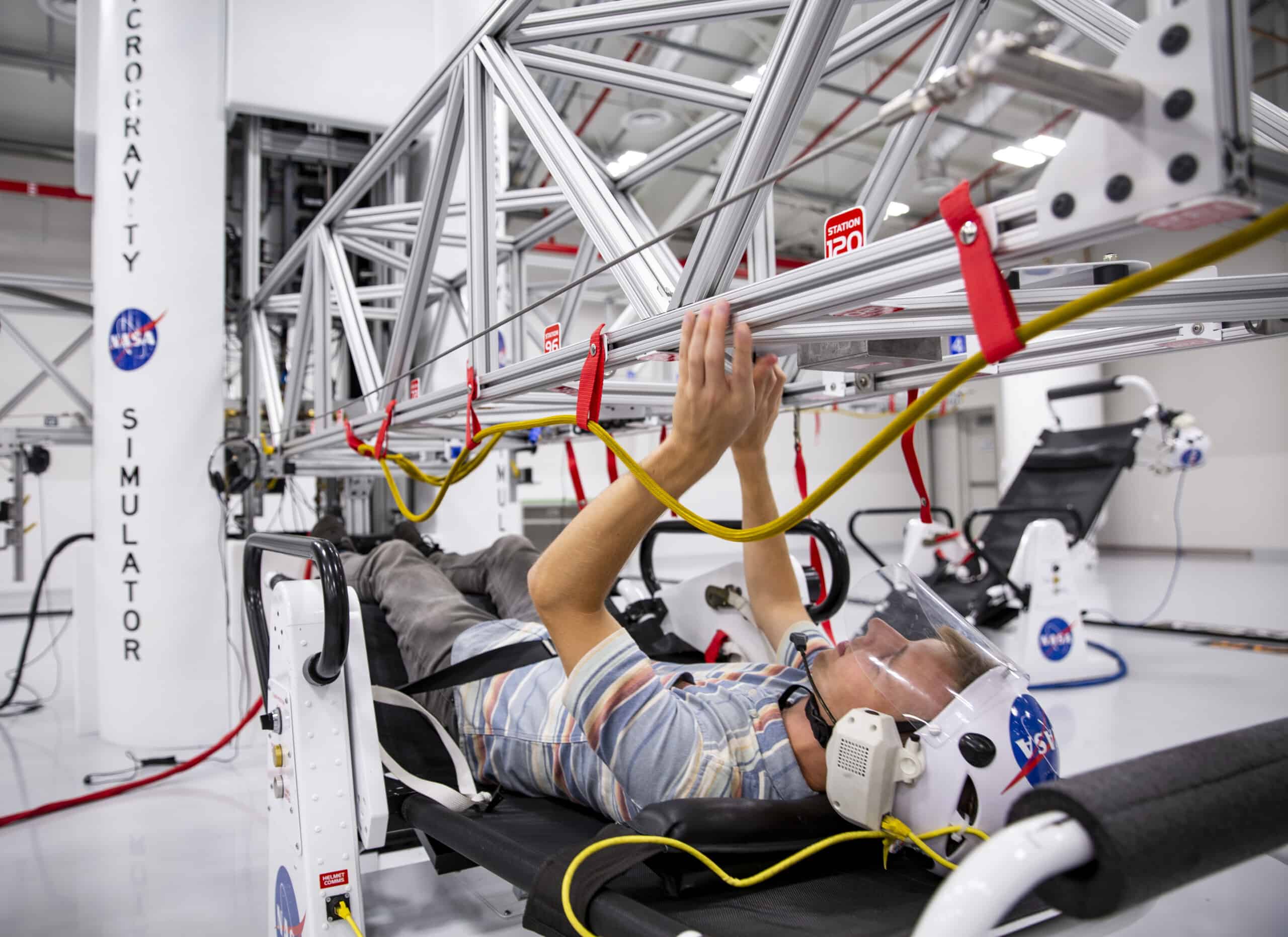
Experimentations have long been an essential part of spaceflight and are the primary focus when arriving at the ISS. Receiving training on conducting these experiments will ensure that the results are sound, furthering scientific research on the subject. On arriving at the ISS, astronauts will be limited in their communication with the ground team, and they must adhere to strict schedules each day to ensure that tasks are completed. Getting the job done without assistance from the ground team is essential. Spacelab is a reusable laboratory used on certain spaceflights in conjunction with the Space Shuttle. Thus far, it has flown on a total of about 32 space missions!
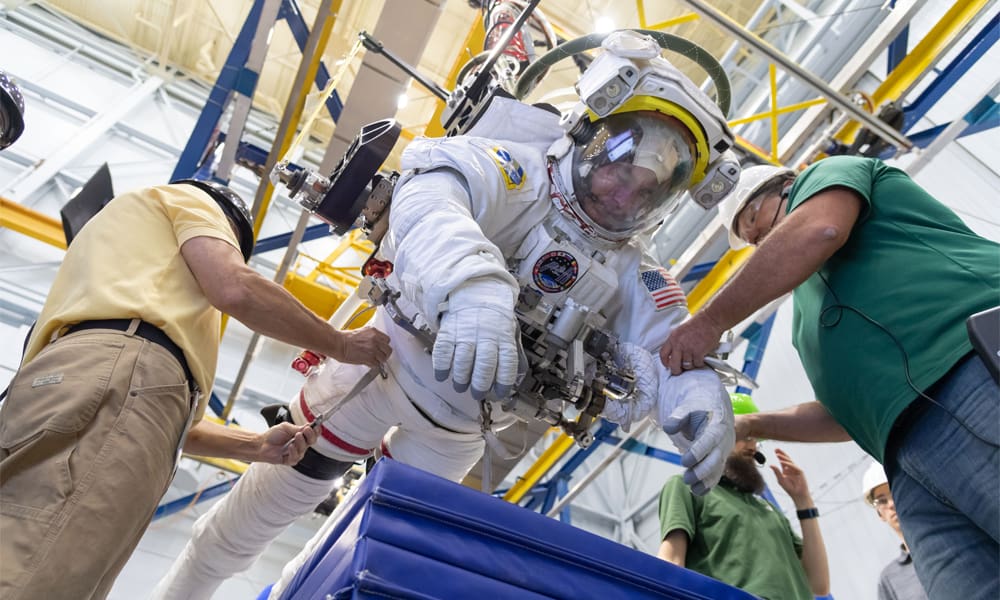
Before the Space Shuttle and the Spacelab came together, many research experiments in space were done via robots and automated instruments on rockets or satellites. As you can imagine, this was a significant hindrance for scientists on Earth, as there were many limitations with these uncrewed vehicles. Skylab, the first orbital laboratory, was launched in 1973, and it was a pioneer in space research. From Skylab, scientists and astronauts learned how to create a better variation, which is why we now have Spacelab. Among the advantages of having a Spacelab, we can accumulate data, evaluate it, perform joint experiments with separate but complementary instruments, and test out new equipment and research techniques!