Paleontology Focuses on a Variety of Areas
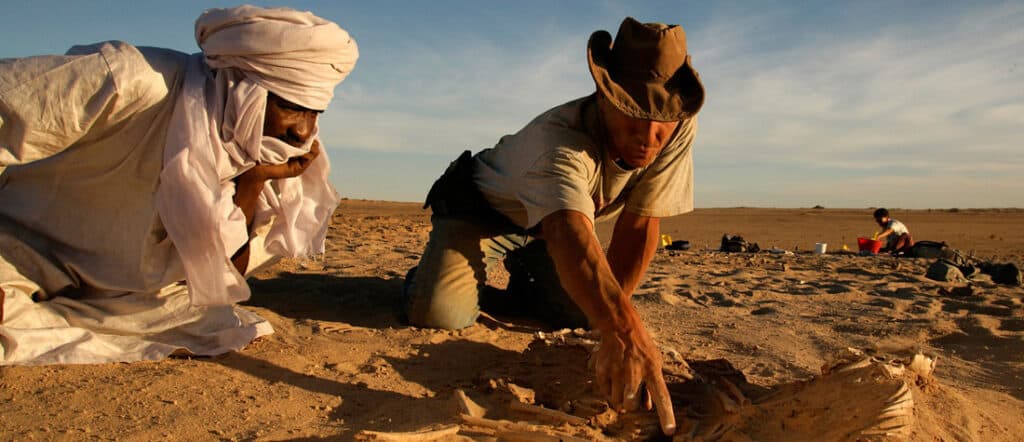
Similar to other fields and specialties, paleontology can focus its studies on a variety of areas. During their education, each individual can find which area they are truly passionate about. For instance, biostratigraphy is the study of the vertical distribution of fossils in rocks. Other people might prefer to work within paleoecology, which is studying ancient ecosystems and how they developed. If someone is interested in plants, they might choose to pursue paleobotany, where they can explore plants’ fossils. There are a variety of niches within paleontology. That is important because it helps not only them but also the rest of the population understand our planet’s evolution.
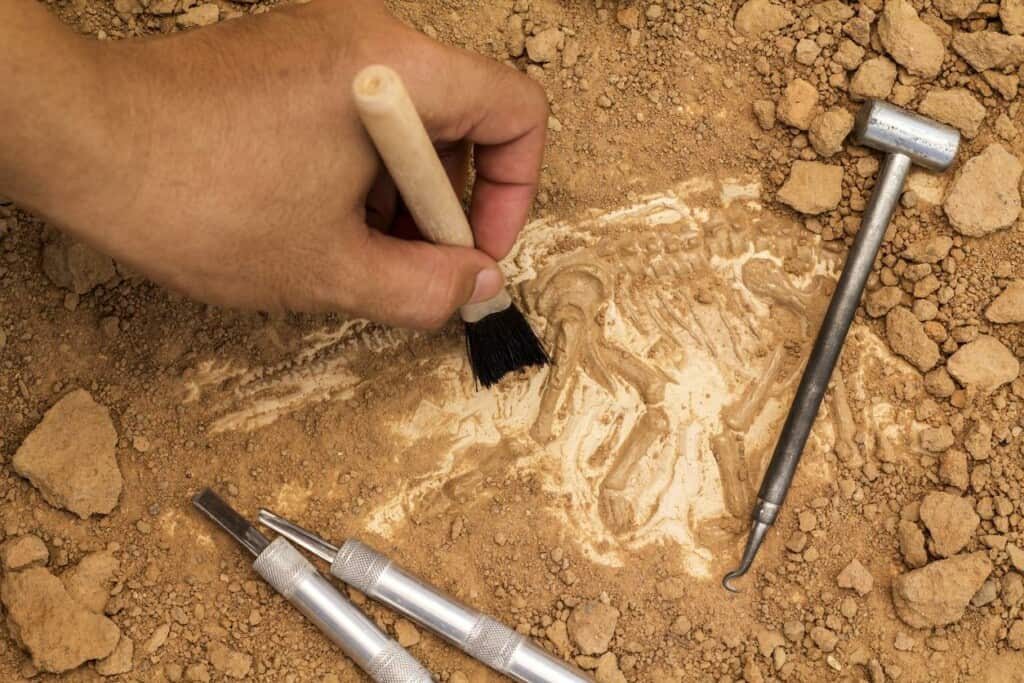
There are many specific things that a paleontologist does. They work to determine the location of fossils. Once the site is found, they have to excavate layers of rock to locate the fossils without damaging them. After the fossils are found and excavated, the paleontologist will gather information specific to that fossil. That would include the location and age, among other things. They will compare new data to any existing data, including identifying the fossils’ period. As a result, the findings can help paleontologists understand the history and evolution of that specific fossil, whether animal or plant.