What Was Moros Like?
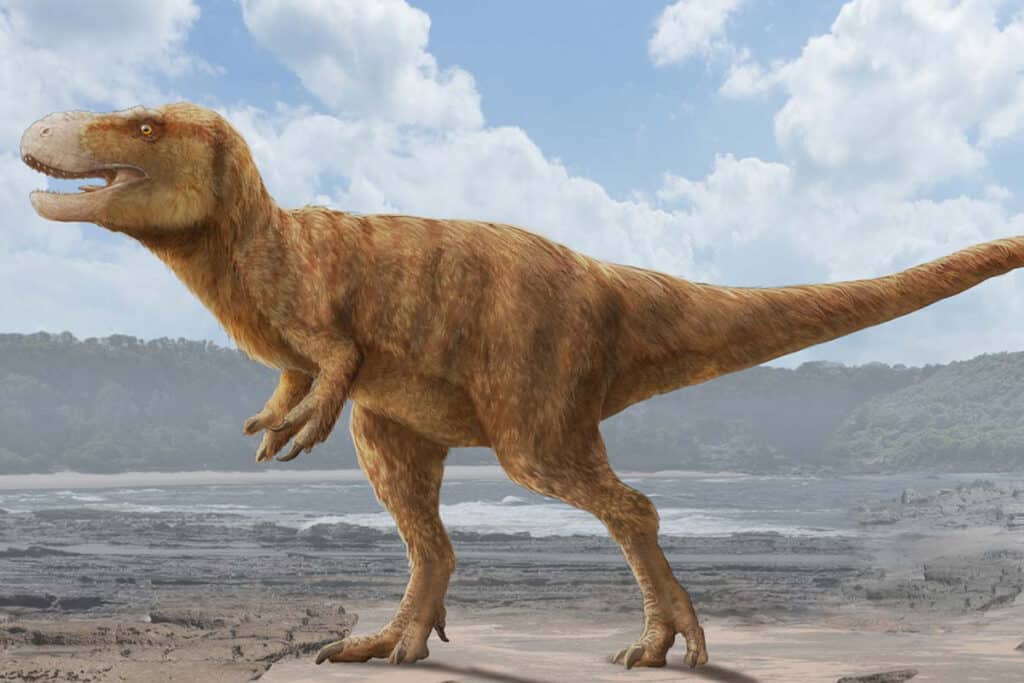
Now that we know that Moros intrepidus was so tiny, you might wonder what they were like on Earth. Were they as aggressive? Did they have the same jaw strength? Were their teeth as sharp? Did they hunt alone or in packs? There are so many questions that you might have about what they were like. What paleontologists do know is that Moros was lightweight and exceptionally fast. Moros intrepidus also had incredibly advanced sensory capabilities. Combined with their speed, they are intimidating predators. It is because they could have efficiently run down their prey while also avoiding confrontation with the top predators of the day—the best of both worlds.
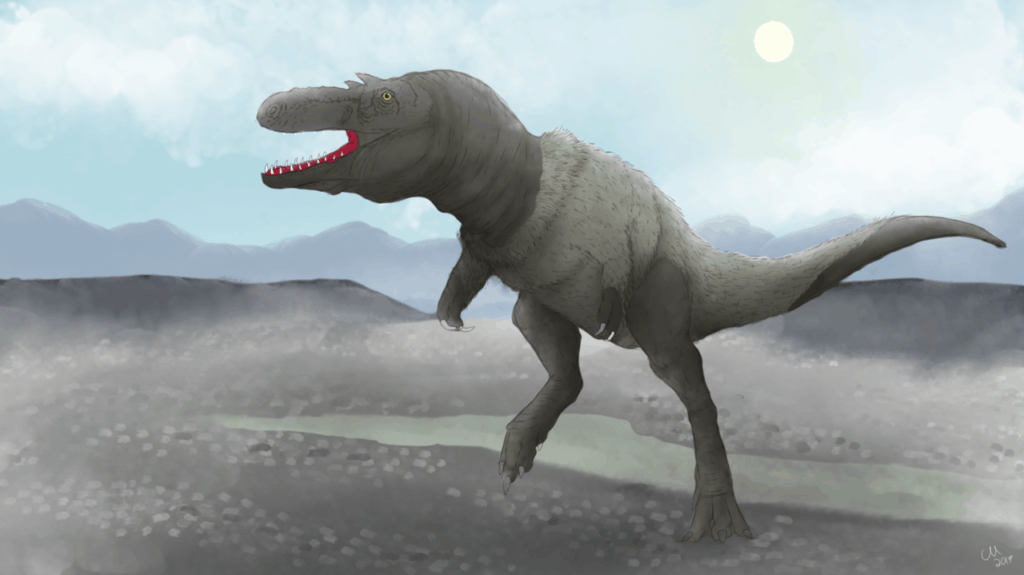
In addition to its lightning-fast speed, the Moros intrepidus was still equipped with bone-crunching bite forces. When scientists uncovered the fossil, they could place it within the family tree of Tyrannosaurs, which unveiled that its closest relatives were from Asia. The Tyrannosaurus Rex and its famous contemporaries such as Triceratops might be among the beloved cultural icons. However, we all owe their existence to their brave ancestors migrated here from Asia at least 30 million years prior. Moros intrepidus signals the establishment of the iconic Late Cretaceous ecosystems of North America. Moros intrepidus opened the door for scientists and paleontologists.