The Defensive Behavior Of A T-Rex
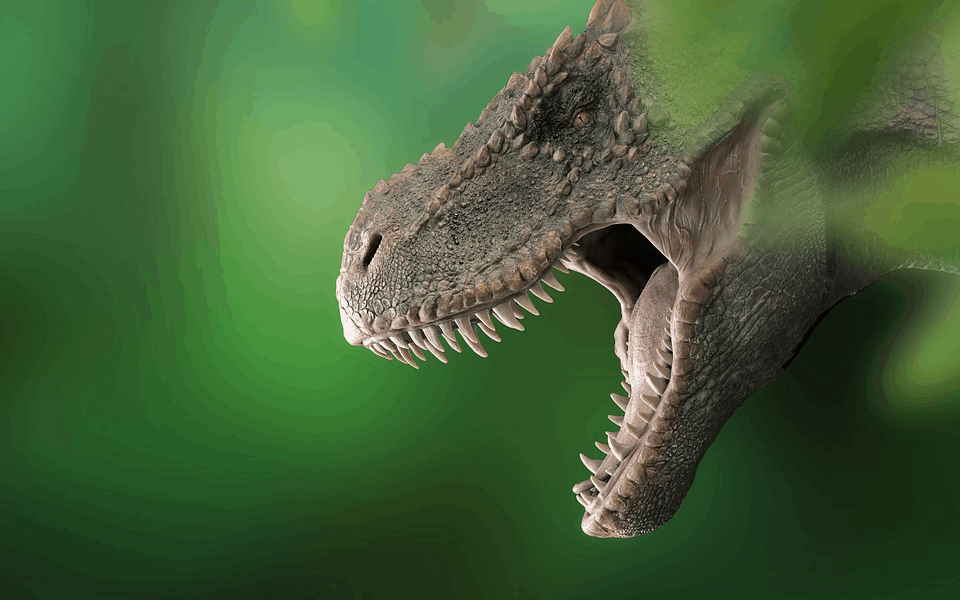
Some scientists and researchers state that T-Rex might have been a solitary hunter, as there’s no fossil evidence that calls it otherwise. None of the fossils, as collected, support a pack hunting module. These large predators used to rely on their sharp teeth and powerful massive jaws and even clawed legs while attacking their prey. Virtually speaking, the tiny arms were pretty much useless. It might not come as much surprise that these massive animals were defensive. With little to no evidence to suggest that they hunted or lived in packs, it is pretty safe to assume they spent the majority of their time alone. As a result, they were not the most social animal.
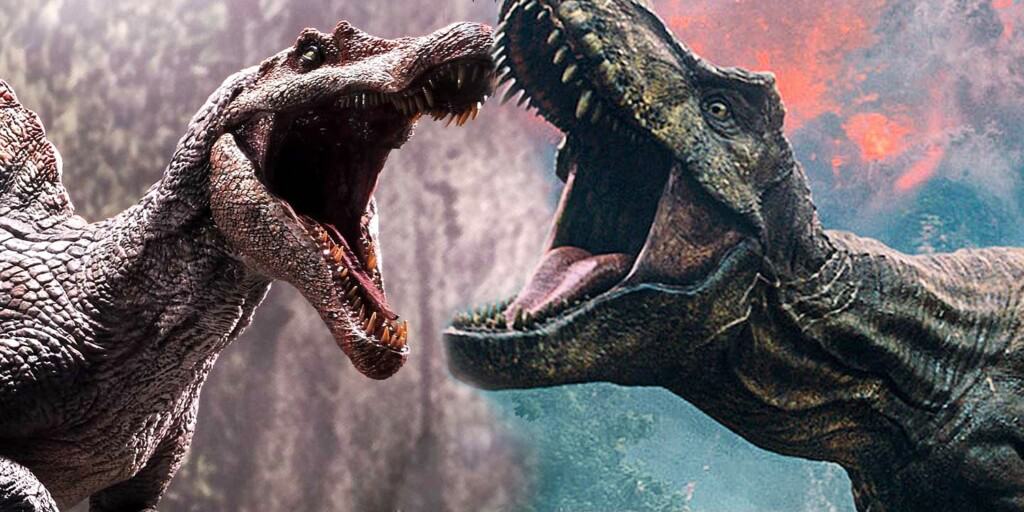
Then some paleontologists stated that T-Rex used to bite its prey off and leave it to drain the blood out of its body and die eventually. It is mainly because of this predator’s septic bite. Later, the T-Rex would return to its original hunting place to feast on the animal. Among all the prey available, the three-horned carnivorous animal, Triceratops, is one main prey to consider. That’s why some residues of the crushed triceratops frill bone came into the limelight in the fossilized dung of a T-Rex. Other than that, there has been some evidence of one T-Rex fighting with another one. The famous Sue had some evidence of healed facial bites, which are probably from another T-Rex.