Moros intrepidus Helped Paleontologists Understand How They Grew So Big
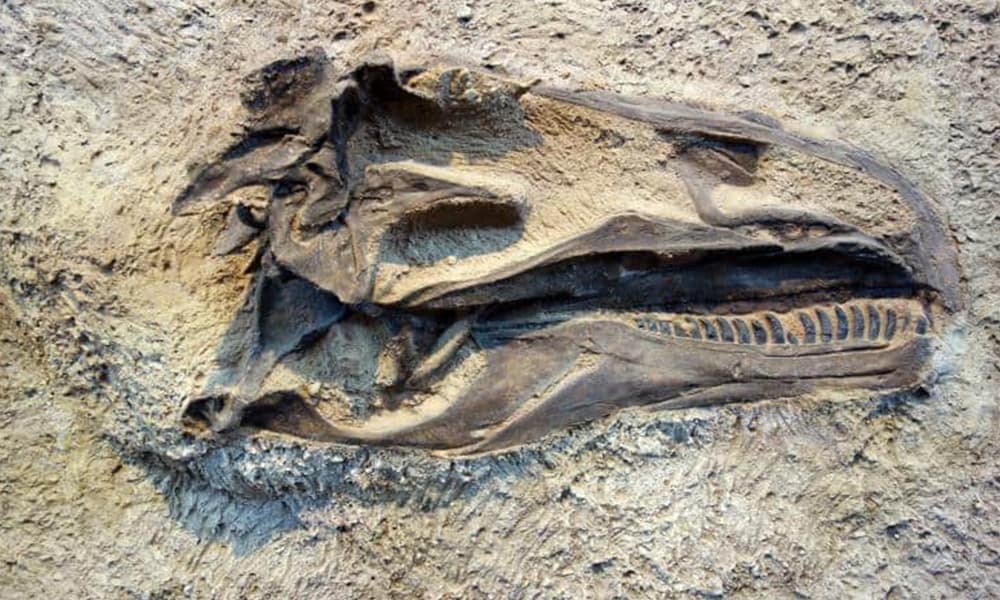
Moros intrepidus is one of the smallest known dinosaurs of its kind. This fossil dates back to the Cretaceous period, which encompasses 66 million and 145 million years ago. What makes this incredible discovery so much more important is its dating. At 96 million years old, Moros is considered the oldest Cretaceous tyrannosaur skeleton found in the region. This finding pushes back the record by 15 million years! The discovery of Moros intrepidus helps paleontologists understand many things. That includes the who, what, why, where, and how Tyrannosaurs evolved to be the giants they are known today. Initially, the paleontologist team thought the Moros fossil belonged to a juvenile. However, upon further examination, the bone cross-sections showed their actual age.
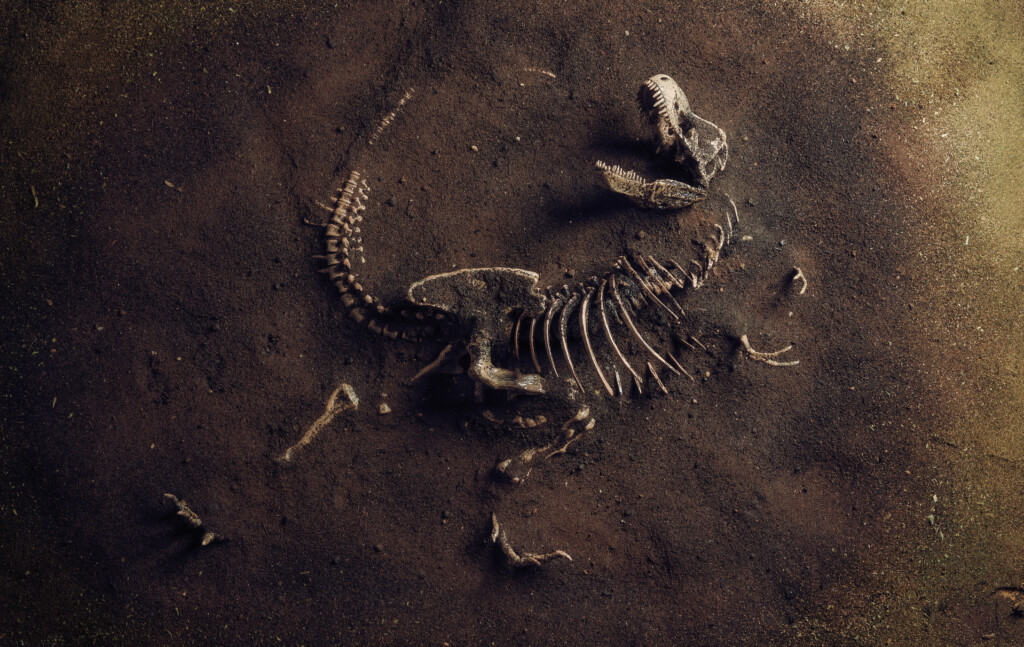
The paleontologist team spent over a decade searching for the bones and fossils that would not only provide answers but the ones that would also change history. The discovery of Moros intrepidus was the only one found within that 10-year timeframe. Can you even fathom the amount of patience it would take to continue searching for a decade? The name Moros intrepidus means ‘Harbinger of Doom.’ Although these early Tyrannosaurs were small, they were primed to take advantage of new opportunities when warming temperatures, rising sea-levels, and shrinking ranges restructured ecosystems. It occurred at the beginning of the Late Cretaceous.