Research Values That Make A Difference

T-Rex’s teeth can easily crush bones and extract as much food as possible from the carcass remnants. Some researchers have found bone fragments in coprolites, stating that T-Rexes teeth were not designed to adapt to chewing bones, just like modern-day hyenas. Such bone-crushing bites might indicate that T-Rexes can fall within the predator category. Some evidence proves that the T-Rexes’ prey could move or run faster to get rid of their bites in some instances. It indicates that maybe T-Rexes are scavengers and not hunters. Again, another analysis states that even though T-Rexes were pretty massive and heavy, they used to run faster than some of the ceratopsians and larger hadrosaurs.
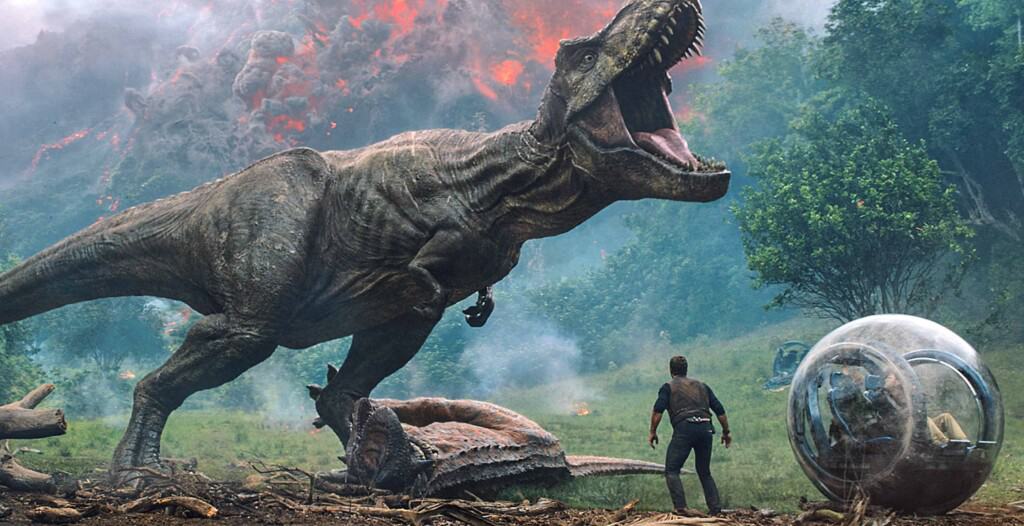
Their mouths were full of serrated teeth, with the largest tooth ever found to be 12 inches long. Can you imagine? One tooth was a foot long! Now that is scary. However, not all of their teeth were the same, and not all served the same function. For instance, their front teeth gripped and pulled their prey. On the other hand, their side teeth worked to tear the flesh, and their back teeth diced chunks of meat and forced food into their throat. More importantly, the Tyrannosaurus’s teeth were wide and somewhat dull. That is in comparison to them being flat and dagger-like. It allowed the teeth to withstand any forces exerted by struggling prey.