Scientists Uncover Some Answers
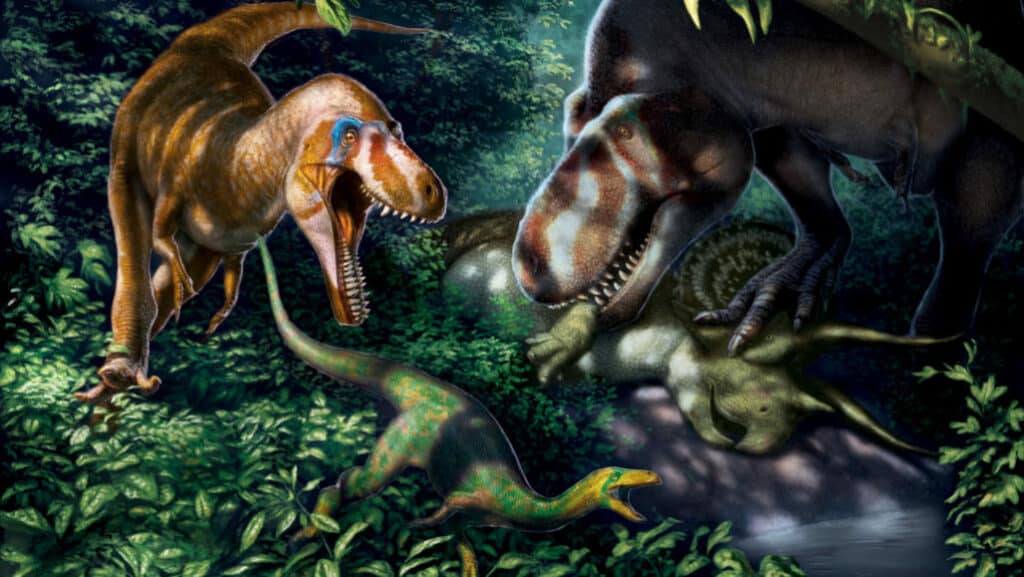
It was often a mystery to scientists and paleontologists how the region’s Tyrannosaurus Rexes grew to be the incredible animals they were. That is due to the major gap in North America’s mid-Cretaceous fossil record. At the foundation of the era, Tyrannosaurs were nowhere near the size they are known for today. Instead of the large, intimidating animals with scary teeth and jaws, they were relatively small and often scrappy predators. Previously they did not hunt alone, but rather, they hunted alongside the larger carnivorous dinosaurs that are now known as allosaurus. Much is unknown about these incredible animals, but scientists do know they were not always their enormous size.
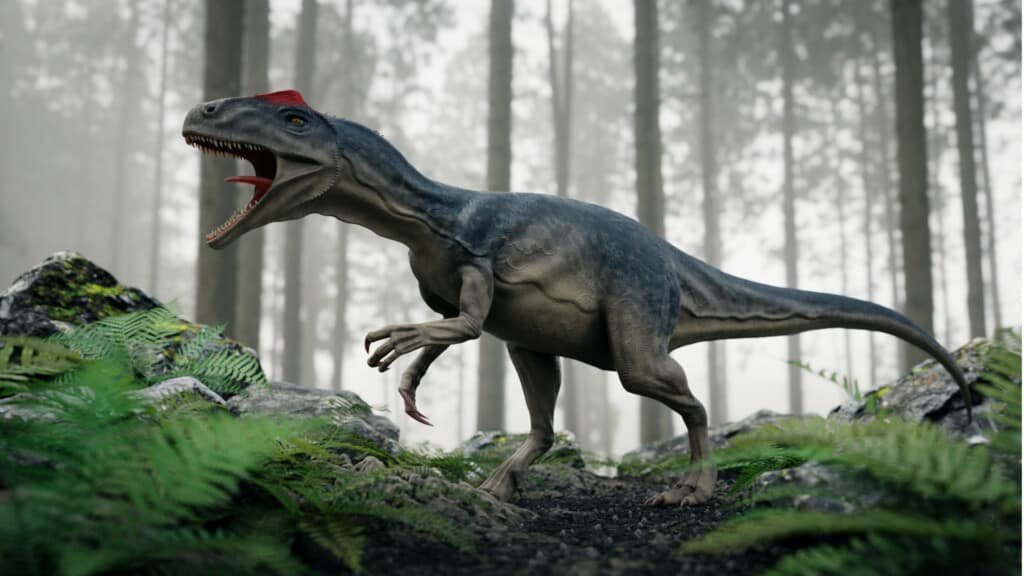
Approximately 80 million years ago, the North American allosaurus faded into the background, and Tyrannosaurs grew tenfold. Tyrannosaurs evolved so much that they took the allosaurus’ place as the top predator. The tiny fossils of Moros intrepidus suggest that North American Tyrannosaurs stayed small until at least the time that Moros appeared. It would mean that Tyrannosaurs grew into their famous sizes in just 16 million years. For paleontologists, this is considered a sprint in evolution. Paleontologists had been searching in the area for roughly ten years, and the bones of Moros intrepidus were the only ones that were recovered. It required a lot of patience, time, and even more amount of luck.