Scientists Detect Ancient Cosmic “Background Noise” Hidden In Old Arecibo Observatory Data (Inverse)
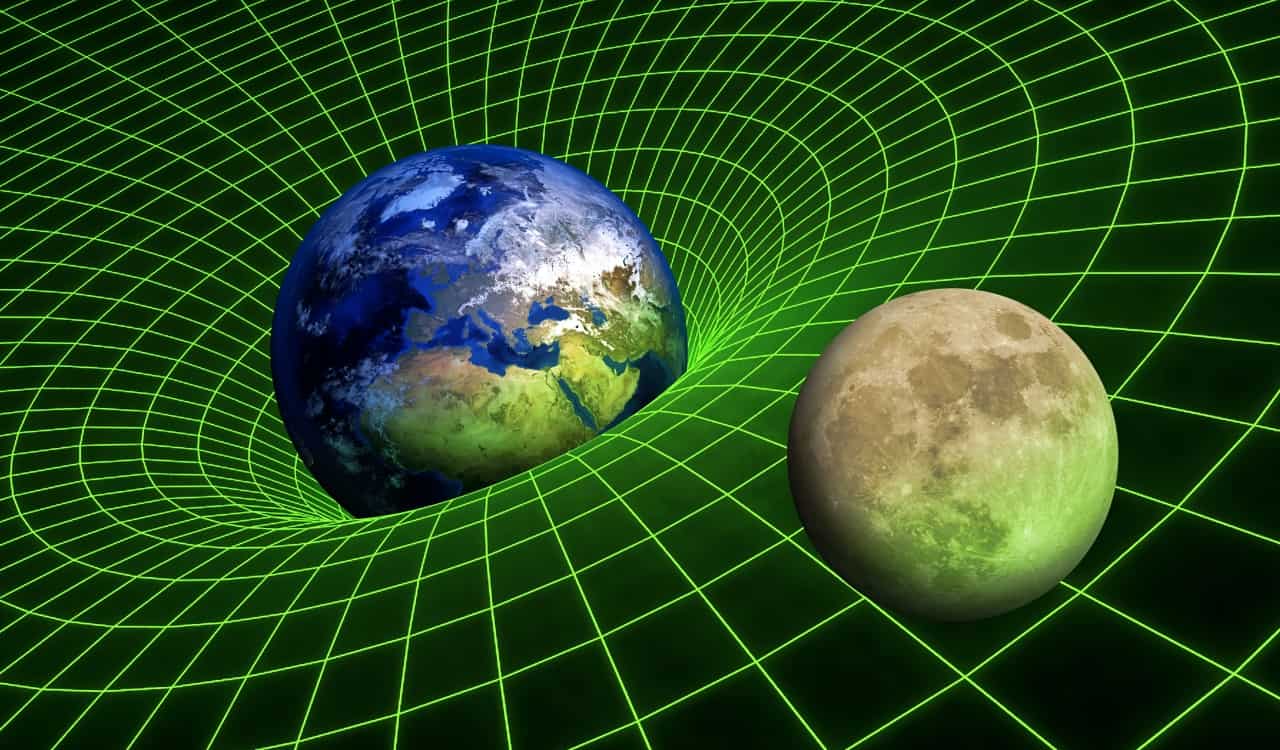
When we were looking for great science headlines to discuss, we could not avoid this one. Astronomers spent 13 years observing signals from rotating stars in the hopes of catching ripples in spacetime. This is often referred to as gravitational waves, and they finally found possible hints of the first low-frequency version of these waves ever detected! It was discovered by a team of researchers from the North American Nanohertz Observatory for Gravitational Waves or NANOGrav.
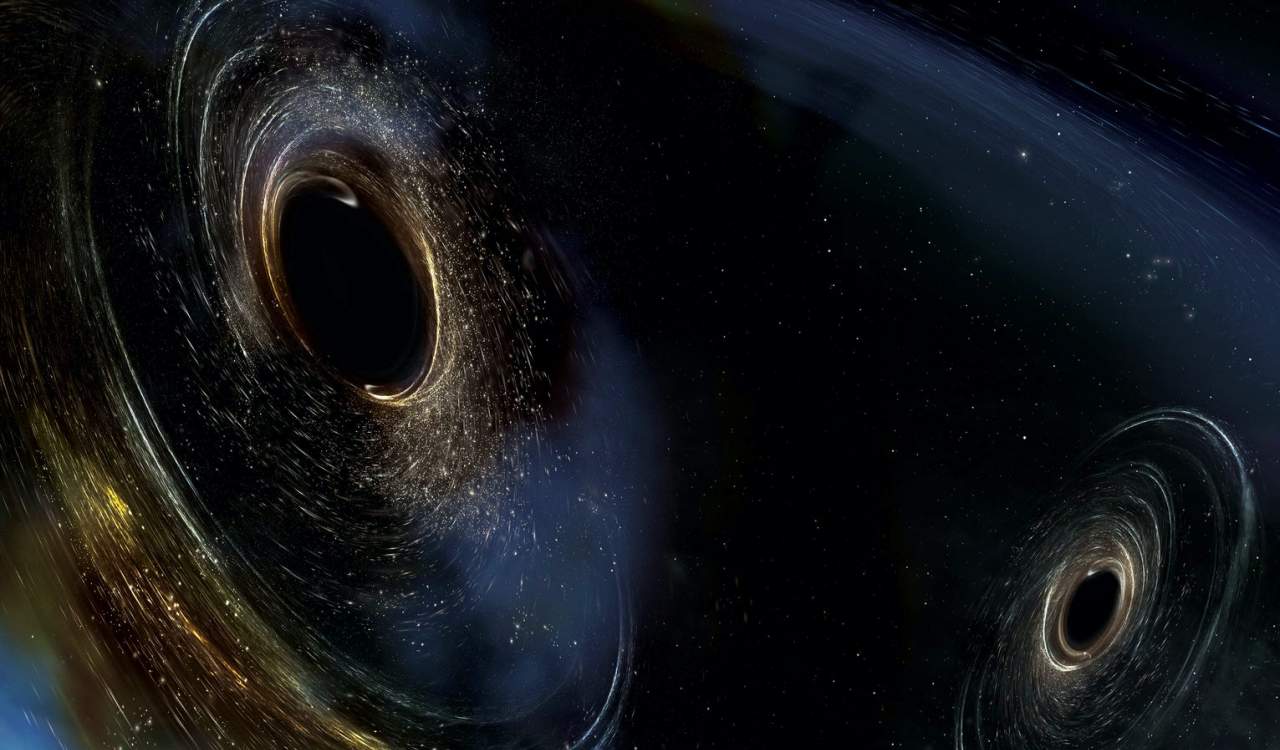
They did not just manage to tell us about it. Rather, they proved their finding with cosmic background noise. Back in September of 2015, scientists first detected a signal from gravitational waves. The signal came from a ripple between two black holes that collided 1.3 billion years ago. That only made NANOGrav more devoted to their project. Unlike high-frequency waves, the low-frequency versions come with persistent background noise, which they recorded.