
LATEST POSTS
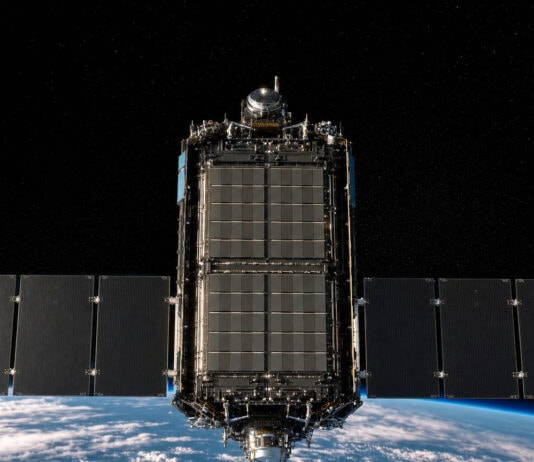
Space-Based AI Data Centers: What the Physics Actually Solve
SpaceX has unveiled its AI1 Compute Satellite and Anthropic has agreed to study using it. The physics of space solve real AI infrastructure problems—but create entirely new ones in return.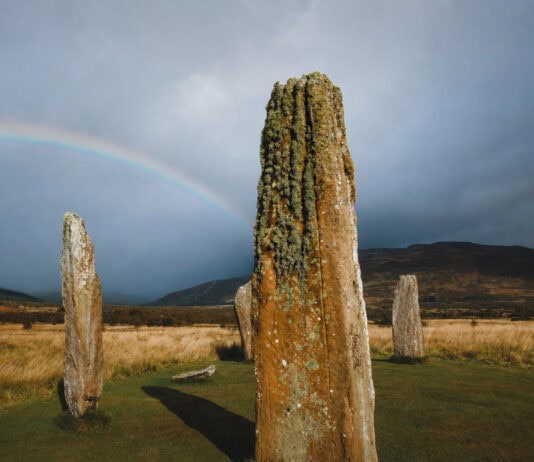
Machrie Moor’s Hidden Seventh Stone Circle Found by Ground-Penetrating Radar
Historic Environment Scotland has used ground-penetrating radar to detect a seventh prehistoric circle buried beneath the peat at Machrie Moor on the Isle of Arran, a site previously thought to hold six stone circles. The buried feature left no visible surface trace and may date to the Neolithic or Bronze Age.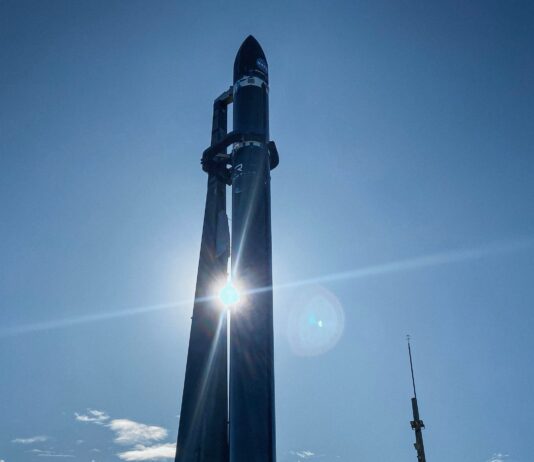
Rocket Lab Wins 3 NASA Launches After Setting 16-Hour Defense Record
Rocket Lab set the fastest U.S. Space Force Tactically Responsive Space turnaround ever at 16 hours 42 minutes, then secured three NASA Electron launches for PolSIR and TSIS-2 — signaling small-launch capability is now a strategic priority for both defense and civilian agencies.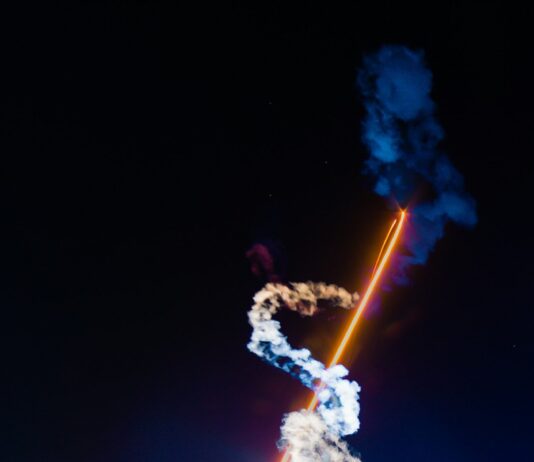
Why SpaceX Night Rocket Launches Glow: The Upper-Atmosphere Science
When SpaceX launched SiriusXM's SXM-11 satellite from Cape Canaveral, witnesses from Georgia to Miami saw a luminous jellyfish bloom silently in the dark. The cause is chemiluminescence and near-vacuum gas expansion in the upper atmosphere — and this launch was a near-perfect real-time case study.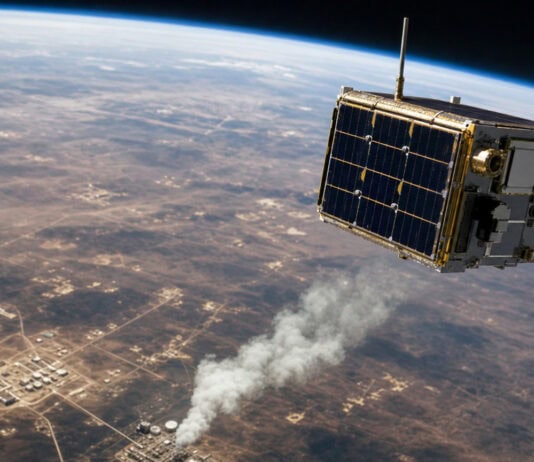
NASA Awards Satlantis U.S. a Commercial SmallSat Data Contract
NASA has named Satlantis U.S. among eight new awardees under its $476 million Commercial SmallSat Data Acquisition On-Ramp 2 contract, marking a structural move toward purchasing Earth-observation science data from briefcase-sized commercial satellites rather than operating dedicated agency spacecraft.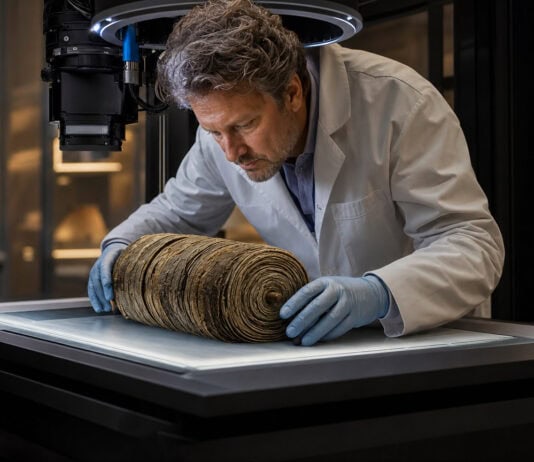
Herculaneum Scroll Read for First Time Using X-Ray AI — Uncut
Researchers have completely deciphered Pherc. 1667, a carbonized scroll from Herculaneum's ancient library, using virtual unwrapping powered by X-ray tomography and AI — the first intact burned scroll ever fully read without being physically opened.Load More
TOP POSTS

EDITOR PICKS


December 12, 2024

July 1, 2025
