
LATEST POSTS
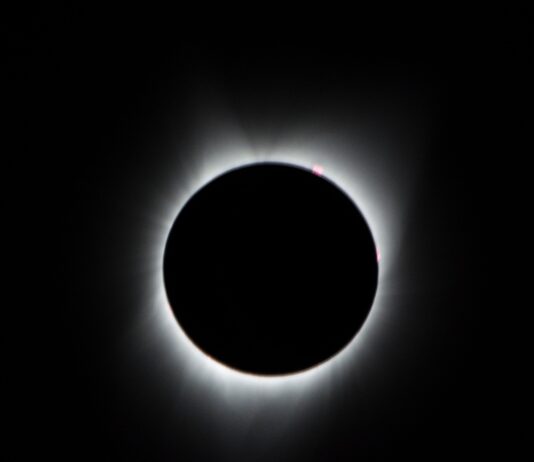
2026 Solar Eclipse Gives Scientists 3 Minutes to Crack a 150-Year Corona Mystery
When the Moon's shadow crosses the Atlantic on August 12, 2026, NASA-supported researchers — including Montana State students flying high-altitude balloons — will have roughly three minutes to gather rare inner-corona data on one of solar science's oldest unsolved puzzles: why the Sun's outer atmosphere is a million degrees hotter than its surface.
The Real Multiverse Physics Behind Doctor Strange Is Stranger Than Marvel’s
Doctor Strange's multiverse borrows from a genuine 1957 physics theory, but the real Many-Worlds Interpretation is far stranger — and explicitly forbids the inter-universe travel the film depicts.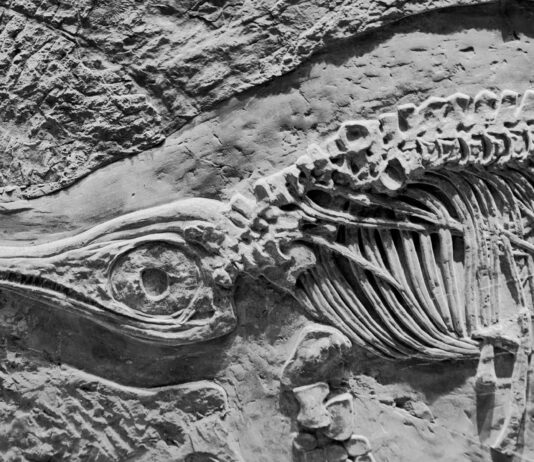
236-Million-Year-Old Fossil Pushes Live Birth Back 90 Million Years
A 236-million-year-old cynodont fossil, Chiniquodon theotonicus, shows bone-growth patterns suggesting live birth — a finding that could push the known origin of viviparity in the mammalian lineage back by 90 million years.
Kids Who Play Alone Aren’t Lonely, Study Finds — and Solo Play Builds Key Skills
A new University of Georgia study found that children who regularly play alone are not necessarily lonely, reporting similar senses of belonging as their more social peers. Researchers also identified solitary play as a key context for building executive function and self-regulation.
Biggest Earthquake Ever: How Valdivia’s 9.5 Killed People 10,000 Miles Away
The 1960 Valdivia earthquake registered magnitude 9.5, the highest ever recorded, and unleashed a tsunami that traveled nearly 10,000 miles to kill people in Hawaii, Japan, and the Philippines. Here's the geology and scale behind history's most powerful seismic event.
Spyro’s High Caves Held a Hidden Painting for 25 Years — Here’s How
Deep in Spyro the Dragon's High Caves sits a painting nobody was meant to find — hidden inside a secret challenge system for 25 years. Here's how Insomniac's developers hid it and why the technique worked.Load More
TOP POSTS
January 26, 2026

January 26, 2026
January 26, 2026


EDITOR PICKS
December 12, 2024


December 6, 2024
