
Picture a six-year-old at recess, arranging pebbles into an elaborate imaginary city while classmates chase each other across the field. Most adults who notice this scene feel a familiar ripple of concern — but a new study from the University of Georgia suggests that worry may be largely misplaced. Children who prefer to play alone are not necessarily lonely, isolated, or socially struggling, and for many of them, solitary time may actually be where they thrive.
What the New Research Actually Found
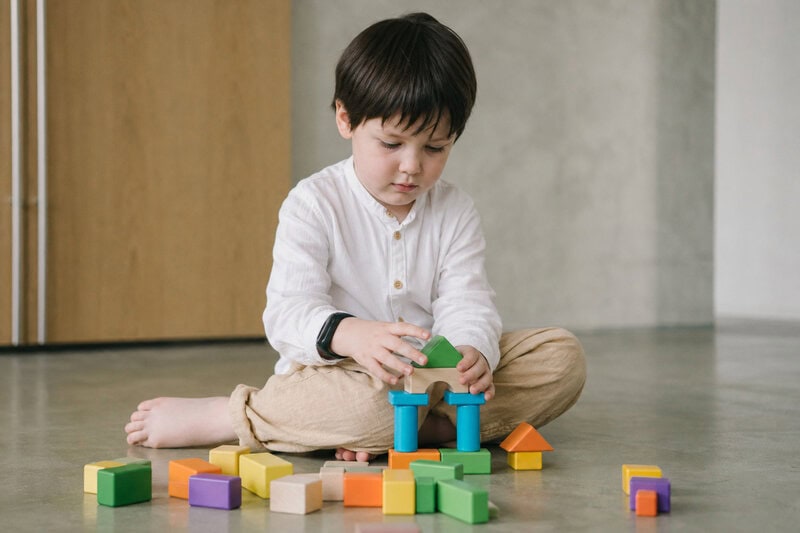
The University of Georgia study examined children who play alone more than is typical for their age group and arrived at a finding that challenges longstanding parental and educator assumptions. Rather than treating solo play as a single, uniform behavior, researchers identified four distinct groups among children who regularly spend time playing independently: shy soloists, non-shy soloists, isolated children, and depressed children. The distinction matters enormously, because these groups have measurably different experiences of their solitude.
Before going further, it helps to define the terms precisely. Solitary play refers to independent, self-directed activity conducted without social interaction — a child building with blocks alone, drawing, or constructing an imaginary narrative by themselves. This is distinct from parallel play, in which children play near one another without direct interaction, and from cooperative play, in which children work together toward a shared goal. The UGA research focused specifically on solitary play and what it does — and does not — signal about a child’s inner life.
The study’s most striking result was that shy and non-shy soloists reported a sense of belonging and social connectedness comparable to peers who played in groups far more frequently. Isolated and depressed children, by contrast, did not report that same sense of connection. This finding establishes that solitude and loneliness are measurably separate states — a child can be physically alone without experiencing the subjective distress that defines loneliness.
Lonely vs. Solitary: Why the Difference Matters

Loneliness is a subjective feeling of unwanted social disconnection — the gap between the social contact a person desires and the contact they actually have. Solitary play is a behavioral choice. A child can choose aloneness without experiencing that gap at all, and according to the UGA research, many children do exactly that. Some researchers found that children reported higher satisfaction during independent activities than during group play — a result that runs directly counter to the assumption that more social activity always means more happiness.
The mechanism the study points to is a sense of belonging. Children who feel accepted by peers and family appear to carry that sense of connection with them even when they step away from the group. Belonging acts as a kind of buffer: it allows a child to move in and out of solitary activity without tipping into loneliness. This suggests that belonging — not the raw quantity of social interaction — is the variable adults should be monitoring.
It is worth distinguishing what is established from what is still emerging here. It is well-established in developmental psychology that loneliness in childhood predicts a range of poorer outcomes, including lower academic performance and diminished wellbeing into adolescence. What is newer, and still accumulating evidence, is the finding that voluntary solitary play carries no such risk. The UGA study adds peer-reviewed weight to this distinction, but researchers have not yet tracked these children’s outcomes across years. For now, the practical implication is precise: adults observing a child playing alone should assess whether the child feels connected and wanted, not simply whether the child is physically alone.
The Cognitive Upside: What Solo Play Is Quietly Building
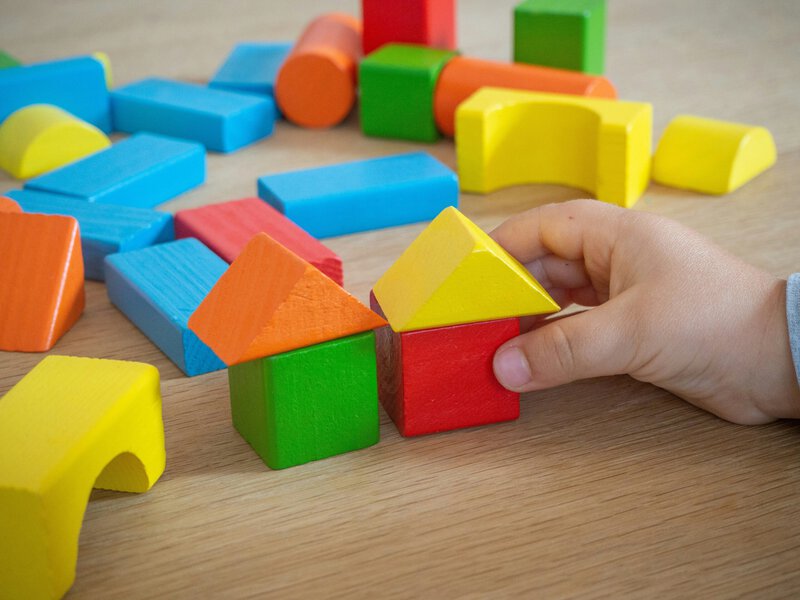
Beyond the question of loneliness, there is a growing body of evidence suggesting that solitary, self-directed play is doing important cognitive work. Child-development researchers point to independent play as a primary context in which children develop executive function — the mental skill set that covers self-regulation, planning, and flexible thinking. When a child plays alone, there is no teacher setting the rules, no peer supplying the next idea, and no adult resolving the moment of frustration. The child must supply all of that scaffolding themselves, and in doing so, they practice the very skills that predict academic and social success later in life.
Research examining the role of solo play in early childhood development has highlighted independent play as a context in which children build intrinsic motivation — the internal drive to begin, sustain, and complete an activity for its own reward. When a child chooses an activity alone and sticks with it through difficulty, they are practicing frustration tolerance and delayed gratification without an adult intervening to smooth the way. Longitudinal research consistently links these capacities to academic persistence years later.
Some researchers additionally hypothesize that unstructured solo play may support early metacognition — broadly, the ability to think about one’s own thinking, to notice what one knows and doesn’t know, and to adjust strategies accordingly. This is appropriately labeled emerging evidence: the hypothesis is theoretically well-grounded, but large-scale controlled studies confirming this specific mechanism in young children remain limited, and it should be understood as a promising area of inquiry rather than settled science.
What researchers have noted with more confidence is that the steady reduction of free, unstructured time in children’s daily lives — driven by increased screen time, academic pressure, and heavily scheduled extracurricular activity — may be reducing opportunities for exactly this kind of independent cognitive rehearsal. Solo play, in this framing, is not a gap in a child’s social calendar but a productive and perhaps irreplaceable form of mental practice.
The Four Types of Solo Players — and How to Tell Them Apart
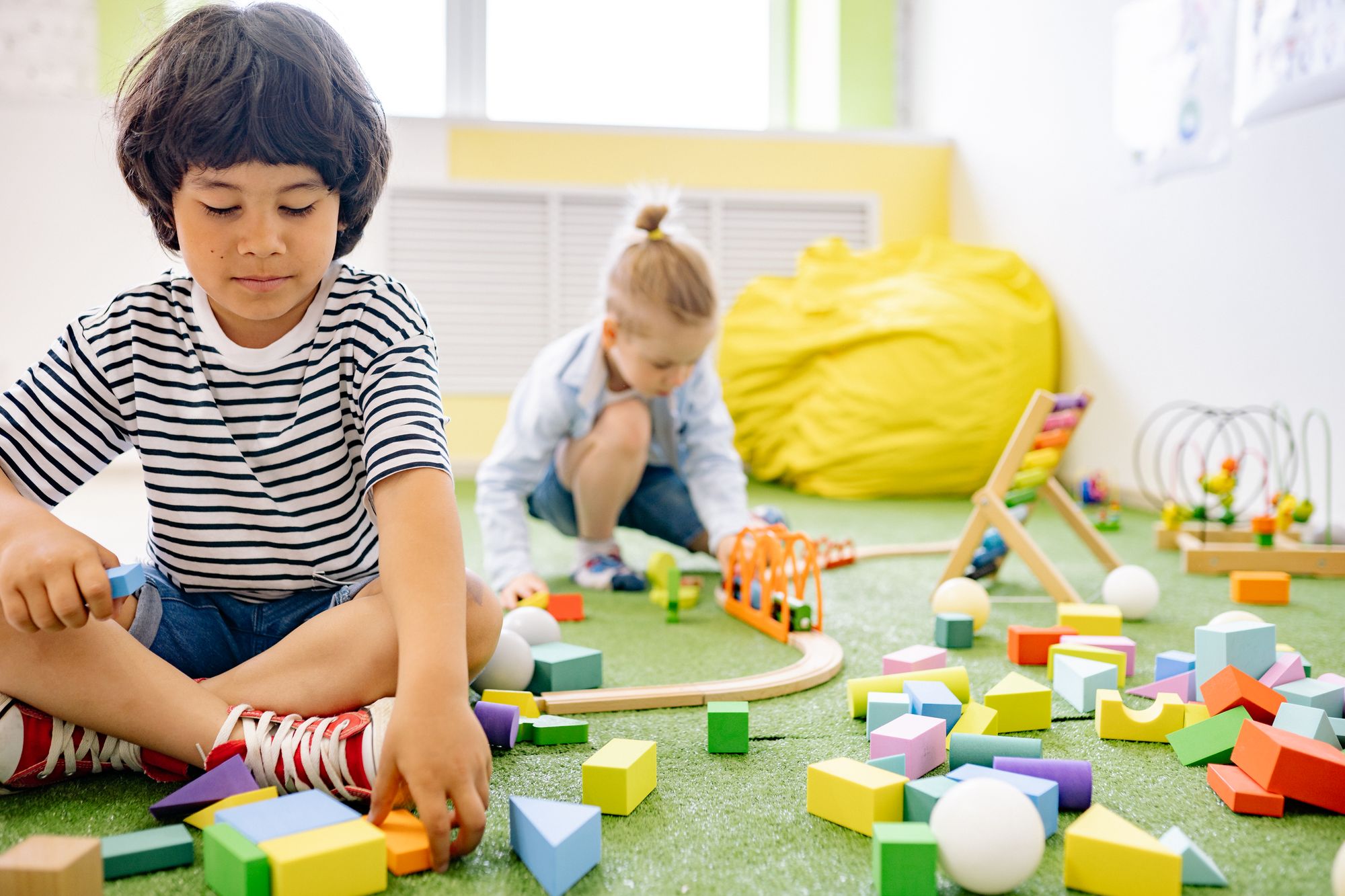
The UGA study’s four-group framework is the most practically useful finding for parents and teachers. Understanding it clearly can help adults respond to solo-playing children in ways that are actually calibrated to what those children need.
- Shy soloists withdraw partly due to social anxiety — they may want to engage with peers but feel inhibited — yet they still report a sense of belonging and do not appear to be at elevated risk from their solitude alone.
- Non-shy soloists are socially capable children who simply prefer independent activity. They can move into group settings fluidly when they choose to, and they describe their alone time positively.
- Isolated children are excluded by peers rather than choosing solitude. They feel unwanted rather than content, and their aloneness is not voluntary.
- Depressed children withdraw due to low mood, and their solitude is accompanied by diminished wellbeing and flat affect rather than engagement or satisfaction.
The behavioral signals that distinguish healthy solitude from problematic withdrawal are specific. Warning signs include: a child expressing that they want friends but cannot make them; visible sadness, flat affect, or tearfulness during solitary periods; and a reported sense of not belonging at school or at home. Signs of healthy solo play include: the child initiating solitary activity by clear choice, transitioning readily into group settings when invited, and describing or displaying genuine engagement and satisfaction during their alone time.
One important caveat: the four-group model is a research framework developed from the UGA findings, and it should be understood as a useful observational lens rather than a clinical diagnostic tool. Parents who have sustained concerns about a child’s social-emotional wellbeing should consult a pediatric psychologist rather than rely on self-administered categorization.
What Parents and Teachers Should — and Should Not — Do
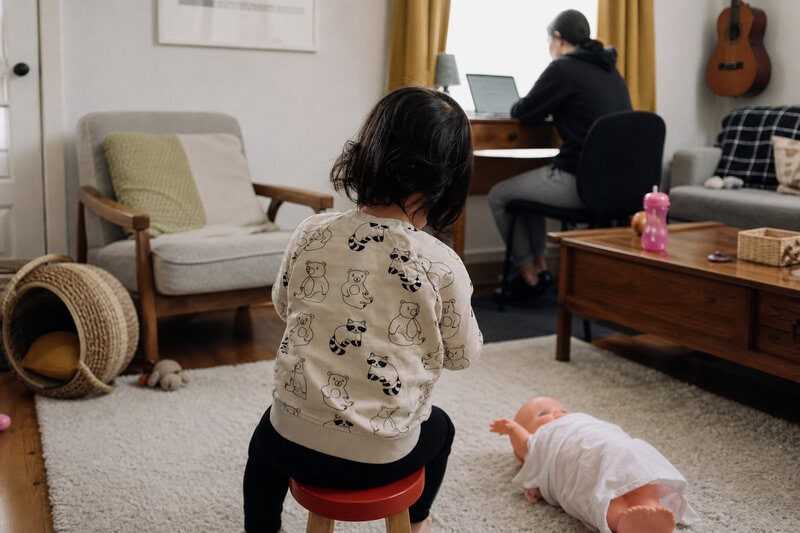
The clearest practical message from this research is that adults should resist the impulse to automatically redirect a solo-playing child into group activities. Doing so may interrupt a cognitively productive and emotionally satisfying state — and it implicitly communicates to the child that their preference is a problem, which could itself undermine the very sense of belonging the research identifies as protective.
Instead, the evidence points toward investing in a child’s sense of belonging through warm, responsive relationships at home and genuinely inclusive classroom practices at school. If a child feels welcomed and valued by peers and caregivers, that foundation appears to be what allows solitary play to remain emotionally healthy rather than becoming a retreat into loneliness.
For teachers, the four-group framework offers a low-cost observational practice: periodically checking in with a solo-playing child — not to redirect them, but simply to ask open questions about how they are feeling in the class — can catch genuine isolation early, at little cost to children who are contentedly independent. The question to orient around is not “why isn’t this child playing with others?” but “does this child feel like they belong here?”
Research supports allowing and even protecting time for independent, self-directed play, while remaining alert to the behavioral and emotional signals that separate chosen solitude from distress. The two require meaningfully different adult responses, and conflating them does a disservice to children in both categories.
A More Precise Way to Think About Children’s Social Health
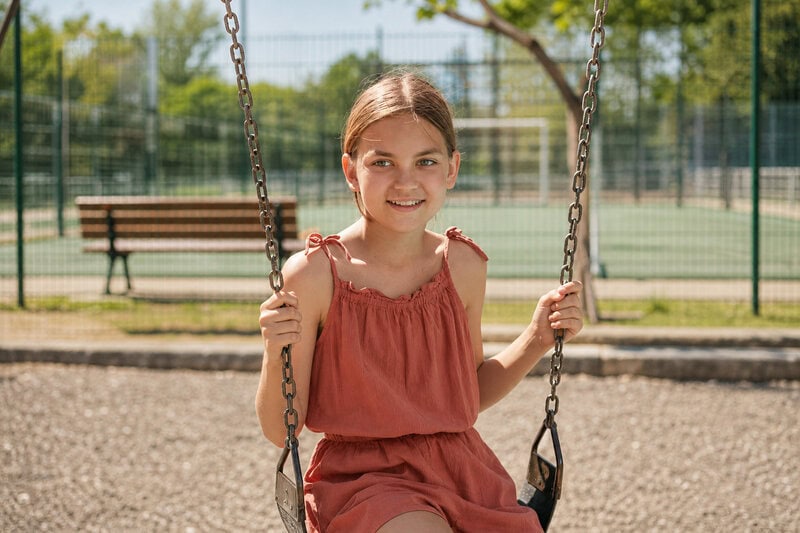
The UGA study contributes to a meaningful reframing: social health in children is not accurately measured by how often they play with others, but by whether they feel a genuine sense of connection and belonging — regardless of how they spend their time. A child can be surrounded by peers and feel profoundly lonely, or can sit happily alone and feel entirely secure in their relationships. Frequency of group play is a crude proxy for what actually matters.
Researchers have not yet established how the healthy balance between solitary and social play should shift across different developmental stages, and longitudinal data tracking these children’s outcomes into adolescence is still needed. Nor does the current evidence settle questions about how temperament, cultural context, or family environment modulate these findings. The science here is real and growing, but it is not yet complete, and adults should hold its conclusions proportionately.
What it does clearly support, for now, is a recalibration of the instinctive adult worry about the child building pebble cities alone at recess. Being alone does not mean being lonely, and for many children, time spent in solitary play may be less a social deficit and more a quiet act of building the mind. Families who want to explore a child’s social-emotional wellbeing further can start by discussing belonging-focused questions — does your child feel welcomed, wanted, and accepted? — with their pediatrician, rather than leading with the cruder metric of how many friends they play with at lunch. That shift in question, the research suggests, is also a shift toward the answer that actually matters.