
LATEST POSTS
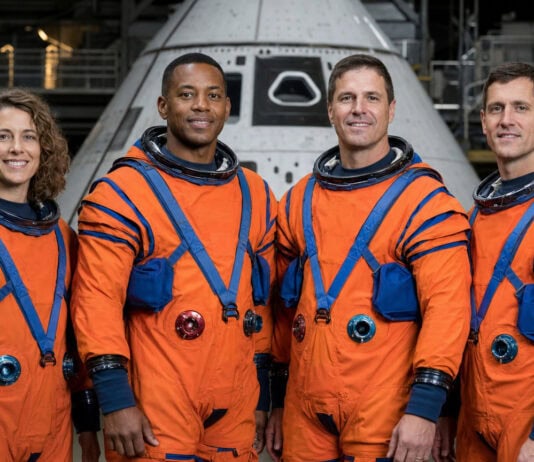
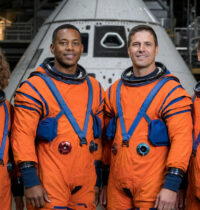
Artemis III Crew Named: 4 Astronauts, No Moon Landing
NASA has announced the Artemis III crew, led by commander Randy Bresnik, for a 2027 mission that will test lunar landing hardware in Earth orbit — deliberately stopping short of the Moon to reduce risk for Artemis IV, the planned crewed lunar landing.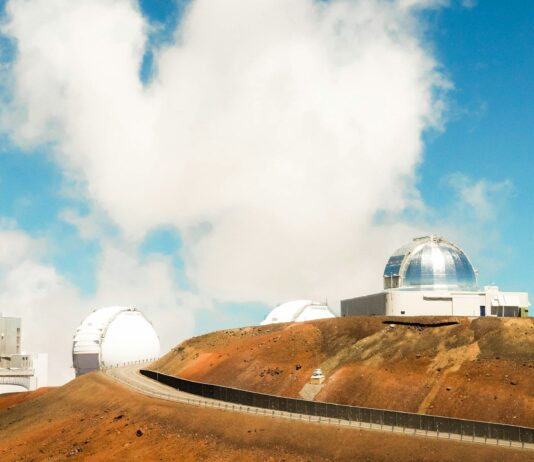
Maunakea Observatories: Why Hawaii’s Summit Leads in Astronomy
Thirteen world-class telescopes crown a 13,796-foot Pacific volcano where laminar airflow, a thermal inversion layer, and more than 300 clear nights a year combine to make Maunakea one of Earth's most productive sites for optical and near-infrared astronomy.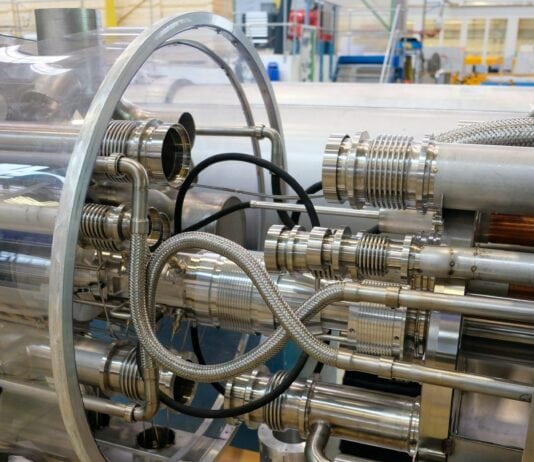
Four Fundamental Forces Explained — Could Gravity Reveal a 5th?
Electromagnetism, the strong force, the weak force, and gravity govern every physical event in the universe — but gravity alone has never fit quantum theory, and that stubborn gap may be the first clue to a fifth fundamental force.
Brain Waves at Age 9 Predict Teen Anxiety and Depression
Researchers tracking children over seven years identified age nine as a neurological turning point where brain wave patterns quietly forecast future anxiety and depression — before any symptoms emerge.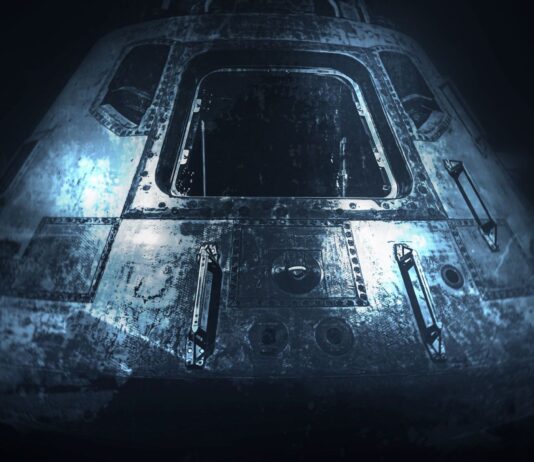
NASA Sci-Fi Movie Rejections: Why Bad Science Has Real Costs
When NASA quietly withdrew from Apollo 18, it wasn't about the film's 24% Rotten Tomatoes score — it was about the measurable public cost of letting false science wear a realistic face. Here's how NASA's Hollywood endorsement process actually works, and why found footage broke it.
Job Search Duration in California: What the Data Really Shows
California job searches now stretch up to a year for one in five applicants, and state job growth recovered at less than half the national rate since 2020. Labor economists have a name for the mechanism driving the delay—and the data to back it up.Load More
TOP POSTS
July 31, 2026

June 17, 2026

June 17, 2026
EDITOR PICKS
July 29, 2025


December 12, 2024
