LATEST POSTS

Kids Eat What’s Placed in Front of Them — CU Anschutz Study Proves It
A new CU Anschutz Medical Campus study confirms that children tend to eat whatever food is placed directly in front of them, suggesting that rearranging what lands on the tray — not persuasion or education — may be the most powerful lever for improving kids' diets.
81% of Toddler Foods Are Ultraprocessed — and It’s Reshaping Developing Brains
A University of Texas at Austin study found 81% of packaged toddler foods are ultraprocessed, while research shows toddlers already get nearly half their daily calories from such products — during the critical first 1,000 days of brain development.
Each 10% Refined Carb Increase Cuts Healthy Aging Odds by 13%
New research tracking women over time found that every 10% increase in refined carbohydrate intake reduced the odds of healthy aging by 13%, while swapping in high-quality carbs — measured by fiber content, glycemic load, and fermentability — improved outcomes across physical, cognitive, and metabolic health.
Why Cheap Saffron Chemically Ruins Paella — and What Authentic Does
Authentic saffron contains a triad of compounds — crocin, picrocrocin, and safranal — that cheap substitutes cannot replicate, and their absence collapses the interlocking chemical reactions that make a proper paella's flavor, aroma, and crust possible.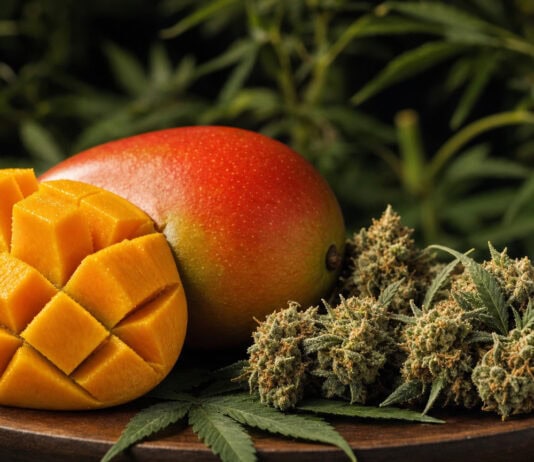
Mango and Cannabis Myrcene: Can Eating Fruit Intensify Your High?
The claim that eating mango before cannabis intensifies the high traces to a real shared molecule — myrcene — but the human evidence remains preliminary. Here's what preclinical research supports and where the science stops short.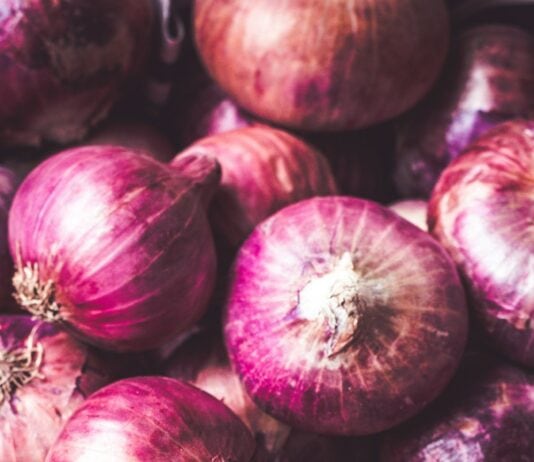
Health Benefits of Eating Onions: What the Science Actually Shows
A study in BMC Medicine found that people who love the taste of onions have statistically lower odds of developing type 2 diabetes or high blood pressure — and a genetic variant may help explain why. Here's an honest look at the growing science behind onion nutrition.Load More