
People with the highest dietary intake of vitamin K1 — the form of vitamin K found abundantly in spinach, kale, and broccoli — were associated with a 16% lower likelihood of developing COPD (chronic obstructive pulmonary disease), according to a large UK Biobank study of nearly 180,000 participants followed for more than a decade. For a disease that ranks as the third leading cause of death worldwide, that number deserves a closer look.
The Case for Spinach Has Nothing to Do with Biceps
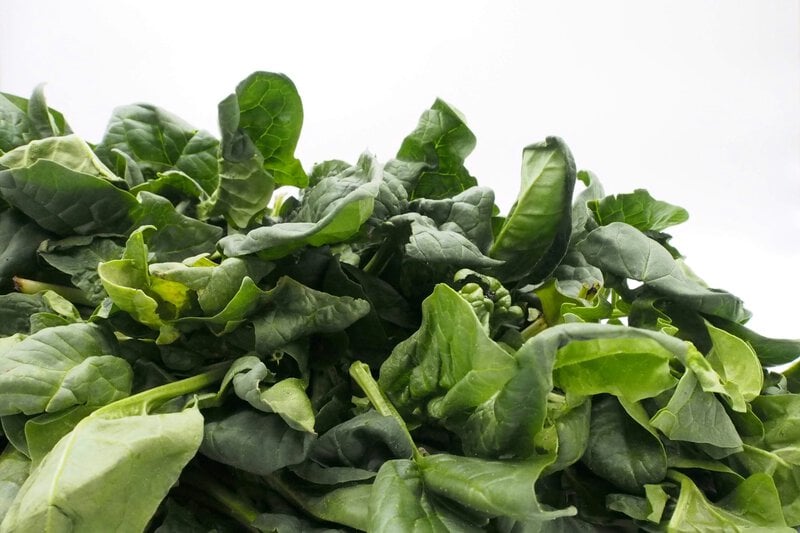
The cartoon sailor famously squeezed open a can of spinach to power his muscles. But if the latest nutritional research is any guide, the more compelling case for spinach may be found in the lungs. Emerging science linking leafy greens to lung health does not displace the established benefits of a vegetable-rich diet for the heart, bones, and immune system — it adds a respiratory dimension that researchers are only beginning to map.
COPD is a progressive condition characterized by obstruction of airflow, persistent breathlessness, and irreversible lung damage. Smoking remains by far its dominant modifiable risk factor. Diet, however, is increasingly recognized as one of the few other levers people can pull — and the UK Biobank findings give researchers a specific nutrient and a plausible biological mechanism to investigate further.
This article explains what the study actually found, what the proposed biological pathway looks like in plain language, what remains genuinely uncertain, and what the findings mean — and do not mean — for everyday eating.
What Is Vitamin K1 and Where Does It Come From?

Vitamin K1, also called phylloquinone, is the plant-based form of vitamin K. It is distinct from vitamin K2 (menaquinone), which is found primarily in fermented foods and some animal products. The two forms behave differently in the body and are not interchangeable in research contexts. Vitamin K1 is most concentrated in dark leafy greens: spinach, kale, Swiss chard, collard greens, and broccoli rank among the richest dietary sources.
Vitamin K has long been recognized by nutritional science for two core functions — facilitating blood clotting and supporting bone metabolism. Its potential role in respiratory health is a newer and still-emerging area of investigation, not yet reflected in mainstream clinical guidelines. Most people following Western dietary patterns consume vitamin K1 below levels associated with optimal biological function, according to national dietary surveys, which makes the lung-health question particularly relevant at a population scale.
One clarification matters for interpreting the research: the UK Biobank findings are rooted in dietary vitamin K1 from whole foods, not from vitamin K supplements. Supplements carry a different absorption profile and were not the subject of this study. The two should not be conflated when drawing practical conclusions.
The Study: Scale, Design, and What Was Actually Measured
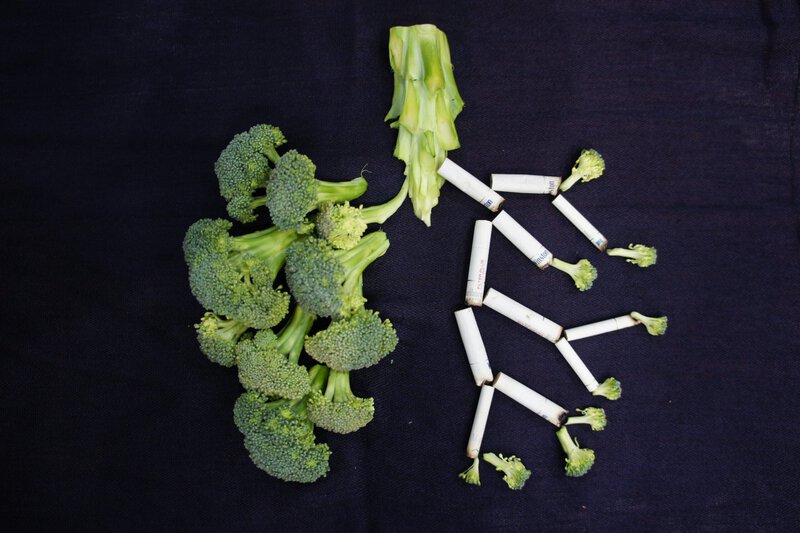
The UK Biobank is one of the largest and most rigorously maintained biomedical databases in the world. The cohort study enrolled approximately 180,000 participants and followed them for more than a decade, making it one of the largest prospective nutritional investigations into lung health conducted to date. The research specifically linked vitamin K-rich leafy greens to better lung function metrics across that extended follow-up period.
Researchers measured two primary lung outcomes. The first was FEV1 — forced expiratory volume in one second — which quantifies how much air a person can forcefully exhale in a single second and serves as a gold-standard indicator of airway obstruction. The second was FVC — forced vital capacity — which measures the total volume of air exhaled in a single breath. Together, these spirometry measures are the clinical tools pulmonologists use to assess how efficiently air moves through the lungs. Higher values on both metrics generally indicate healthier lung function.
The association between high vitamin K1 intake and both better spirometry scores and lower COPD incidence persisted even after researchers adjusted for known confounding factors, including smoking status and physical activity levels. That statistical adjustment strengthens the plausibility of the association — but it does not transform this into anything other than an observational finding. As a cohort study, the research can identify associations; it cannot prove that vitamin K1 intake directly causes better lung outcomes. Randomized controlled trials would be required to establish causation, and none yet exist for this specific question.
The Biological Mechanism: Elastic Fibres and the Protein Vitamin K Activates

The proposed biological explanation for the vitamin K1-lung connection centers on a protein that vitamin K is thought to activate, which plays a protective role in maintaining the elastic fibres within lung tissue.
Those elastic fibres are the microscopic structures that allow the lungs to expand during inhalation and recoil efficiently during exhalation. When elastic fibres degrade — through oxidative stress, inflammation, or calcification — the lungs progressively lose their mechanical efficiency. That deterioration is a hallmark of both COPD and emphysema. A nutrient that helps activate a protein guarding those fibres could, in theory, slow that degradation process.
This mechanism is biologically plausible and consistent with established vitamin K science. However, it has not yet been definitively confirmed in controlled human lung-tissue studies. It remains a leading hypothesis — one that gives researchers a credible, mechanistically grounded reason to take the observational association seriously and to design the intervention trials that could test it rigorously.
This proposed pathway represents a scientifically plausible bridge between what the UK Biobank data observed at the population level and what researchers understand about vitamin K’s function at the cellular level. That convergence of epidemiological signal and mechanistic plausibility is precisely what moves a finding from interesting correlation to a hypothesis worth testing in clinical trials.
What the 16% Figure Actually Means — and What It Doesn’t
A 16% lower likelihood of COPD diagnosis among those with the highest vitamin K1 intake is a meaningful association at a population level. Across nearly 180,000 people and more than a decade of follow-up, that signal is not statistical noise. Researchers and clinicians commenting on the findings have noted that even modest reductions in COPD incidence, if confirmed, would translate to significant public health impact given the disease’s global burden.
What the number does not mean is equally important to state clearly. It does not mean that eating spinach prevents COPD. Smoking remains the overwhelmingly dominant risk factor for the disease, and no dietary intervention studied to date can fully offset the lung damage caused by long-term tobacco use. Leafy greens are not a substitute for smoking cessation — not even close.
Notably, the benefit observed in the study was not confined to people eating extraordinary quantities of leafy greens. The association was present across a spectrum of intake, suggesting that even moderate increases in consumption — not heroic dietary overhauls — were associated with measurable differences in lung function scores. That is a practically important detail for people who find aggressive dietary changes difficult to sustain.
For people already living with COPD, the findings require additional caution. The study examined COPD risk and lung function in a general population; it did not test whether increasing vitamin K1 intake reverses existing lung damage in people who already have the disease. Patients with COPD should consult their pulmonologist before drawing clinical conclusions from this research.
COPD also has causes well beyond diet — occupational exposure to dust and chemicals, chronic air pollution, and genetic factors such as alpha-1 antitrypsin deficiency all contribute meaningfully to disease risk. Leafy greens are one piece of a genuinely complex puzzle, and framing them as anything more than that would misrepresent the evidence.
The Broader Diet-and-Lung-Health Picture

The vitamin K1 finding does not stand alone. A growing body of nutritional research links Mediterranean-style dietary patterns — characterized by high vegetable intake, legumes, whole grains, and olive oil — with better respiratory outcomes across multiple study populations. The consistent thread is not any single nutrient but an overall dietary pattern that emphasizes whole, minimally processed plant foods.
Antioxidant nutrients such as vitamin C, vitamin E, and beta-carotene, all found in leafy greens and other vegetables, have separately been associated with reduced airway inflammation in observational studies. None of these associations has yet been confirmed as causal in controlled trials for lung health specifically, but the convergence of signals across multiple nutrients and multiple studies is scientifically meaningful and increasingly difficult to dismiss.
On the other side of the dietary ledger, some studies have found associations between diets high in ultra-processed foods and refined carbohydrates and worse lung function outcomes. That contrast — between plant-rich patterns and highly processed dietary patterns — provides a plausible nutritional framework within which the leafy-green findings make intuitive sense.
The consensus position among nutrition researchers and pulmonologists is clear in one respect: no single food is a silver bullet for lung health. But dietary patterns that consistently prioritize whole, plant-rich foods appear, across multiple large studies and diverse populations, to be associated with better respiratory outcomes than their highly processed counterparts.
Practical Takeaways and What the Science Still Needs
For most people, the practical implication of the UK Biobank findings is low-risk and straightforward. Adding one to two servings of leafy greens per day — a cup of raw spinach, a side of steamed broccoli, a kale-based salad — is consistent with general healthy-eating guidelines endorsed by major health organizations, regardless of whether the lung-specific benefits are ultimately confirmed in clinical trials. Nutrition experts commenting on the research have generally framed increased leafy green consumption as a sensible, low-downside dietary shift that aligns with multiple established health goals simultaneously.
One important exception requires flagging. People taking warfarin — a widely used blood-thinning medication — are typically advised by their physicians to keep their vitamin K intake stable rather than dramatically increasing it, because vitamin K directly affects the drug’s efficacy. Anyone on anticoagulant therapy should speak with their prescribing physician before significantly changing their leafy green consumption. This is not a theoretical caution; it is a clinically significant drug-nutrient interaction.
What the science still needs is a randomized controlled trial. The logical next step in the evidence chain is an intervention study in which participants are assigned to increase dietary vitamin K1 intake and researchers measure changes in FEV1, FVC, and COPD incidence over time. The UK Biobank association is compelling and hypothesis-generating, but it is not the kind of evidence that rewrites clinical guidelines. That requires proof of causation, not association — a distinction that matters enormously when translating research into medical advice.
Until that evidence exists, the most accurate summary is this: the UK Biobank findings add a respiratory dimension to the already robust scientific case for eating more leafy greens. The mechanism is plausible, the population-level association is meaningful, and the dietary change required to act on it is both practical and consistent with broader nutritional advice. The science is not yet settled enough to position leafy greens as a lung-health prescription — but it gives both researchers and eaters one more well-grounded reason to put spinach on the plate.