
Every 10% increase in refined carbohydrate intake dropped a woman’s odds of healthy aging by 13%, according to new research. That precise, sobering figure cuts through decades of simplistic carbohydrate messaging and demands a more sophisticated answer to a question most people assume they’ve already settled: which carbs are actually good for you?
The 13% Finding — and What It Actually Measures

The finding comes from a long-term study tracking women over an extended period, measuring not just whether they survived but how well they aged. The composite outcome encompassed physical function, cognitive health, and the absence of major chronic disease. The result was unambiguous: not all carbohydrates behaved the same way, and the gap between the best and worst performers was large enough to matter clinically.
The inverse relationship held just as clearly in the other direction. Swapping refined carbohydrates for high-quality carbohydrates measurably improved the likelihood of aging well across every dimension the researchers assessed. This is not a story about eating less. It is a story about eating differently — and understanding why the difference exists at the level of biology.
The research also challenges one of the more durable myths in popular nutrition: that carbohydrates themselves are a problem to be minimized. Avoiding carbohydrates altogether carries its own health risks, because the question was never carbs versus no carbs. It was always which carbs, in what form, and in what quantity.
One important caveat before going further: this study was conducted exclusively in women. The biological mechanisms it implicates — gut fermentation, glycemic regulation, inflammatory signaling — are broadly applicable across human physiology, but the precise magnitude of effect across different sexes, age groups, and ethnic populations has not yet been established. This is directionally clear, promising science. It is not a final verdict applicable to every person in every context, and it should not be treated as one.
Why the Good Carbs vs. Bad Carbs Conversation Has Been Incomplete
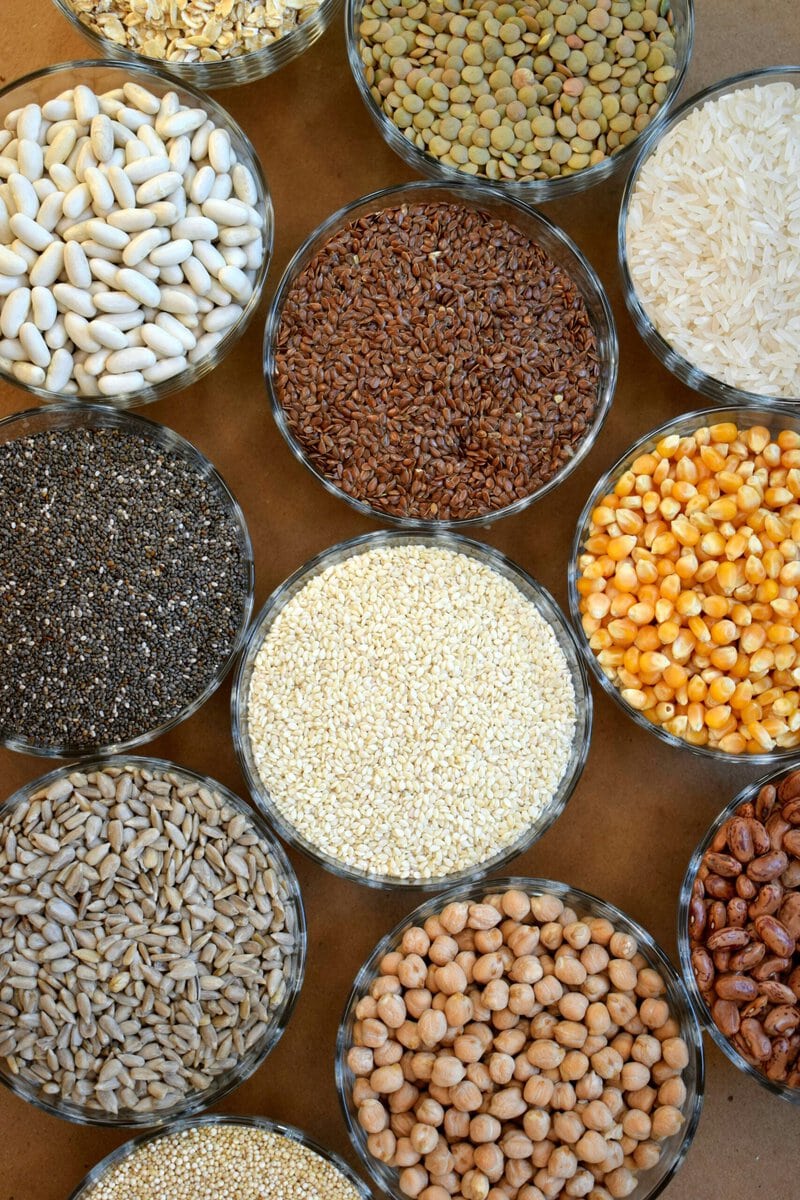
For decades, nutrition guidelines organized carbohydrates into a binary — whole grain versus refined — and treated that distinction as roughly sufficient. Whole grains good, refined grains bad. The guidance was directionally correct but far too coarse to predict long-term health outcomes with any real precision.
Refined carbohydrates are grains stripped of their bran and germ during processing, sacrificing fiber, vitamins, and minerals in exchange for a softer texture and longer shelf life. The scientific consensus on their harms is settled: consumed in excess, refined carbs are consistently linked to faster inflammatory aging, insulin resistance, and poorer cognitive trajectories.
What remains an active area of investigation — and what this new study advances meaningfully — is how to evaluate carbohydrates that fall between “clearly harmful” and “clearly beneficial.” Two foods can both carry a whole-grain label and differ dramatically in their fiber content, glycemic response, and fermentability by gut bacteria. One may actively support metabolic and gut health; the other may do little more than avoid the worst harms of refined processing. Treating them as equivalent is a significant analytical error, and emerging carbohydrate quality research is making that error increasingly difficult to defend.
What the Study Actually Measured

Rather than relying on the whole-grain versus refined binary, researchers quantified carbohydrate quality using a more granular set of metrics: total dietary fiber intake, glycemic index (a standardized measure of how quickly a given food raises blood glucose relative to pure glucose), glycemic load (which accounts for both the glycemic index and the actual quantity of carbohydrate consumed), and the ratio of solid to liquid carbohydrate sources.
High-quality carbohydrate intake — foods that scored well across fiber content, glycemic load, and degree of processing — was independently associated with better healthy-aging outcomes even after researchers controlled for total calorie intake and a wide range of lifestyle factors. This methodological point matters: carbohydrate quality was doing predictive work that overall diet quality or calorie balance alone could not explain.
The history of carbohydrate research traces a long arc from dietary villain to nuanced macronutrient, and this study lands firmly on the side of nuance. When quality is prioritized, carbohydrates appear to be a meaningful driver of healthy longevity — a conclusion that directly challenges the premise of strict low-carbohydrate dietary philosophies.
The Mechanism: How Carb Quality Reshapes Your Gut and Your Biology

Understanding why carbohydrate quality matters requires a close look at the gut. The central biological pathway linking high-quality carbohydrates to healthy aging runs through fermentation: certain dietary fibers — called fermentable or prebiotic fibers — pass undigested through the small intestine and arrive intact in the colon, where resident bacteria break them down into compounds called short-chain fatty acids, or SCFAs.
The three principal SCFAs are butyrate, propionate, and acetate. Butyrate serves as the primary energy source for the cells lining the colon, helping to maintain the integrity of the gut barrier and reducing intestinal permeability. Propionate travels to the liver, where it plays a role in regulating glucose production. Acetate enters systemic circulation and influences appetite signaling. All three SCFAs modulate inflammation at the systemic level and communicate with the brain through the gut-brain axis — a bidirectional signaling network linking the enteric nervous system of the gut to the central nervous system.
Refined carbohydrates short-circuit this entire system. Because they are rapidly absorbed in the upper small intestine, they never reach the colon microbiome in meaningful quantities. They provide no fermentable substrate, produce no SCFAs, and instead spike blood glucose in ways that promote oxidative stress and systemic inflammation over repeated exposures. The connection between dietary fiber fermentation and long-term health is now central to aging research precisely because it provides a mechanism — not merely a correlation.
Whether a carbohydrate feeds your cells quickly or feeds your microbiome slowly is emerging as a more reliable predictor of long-term health outcomes than a whole-grain label alone.
Whole Grains Are Not the Whole Story
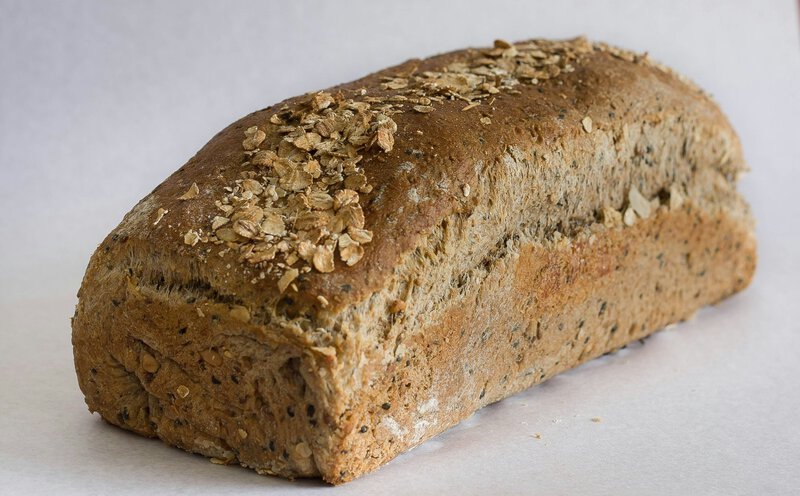
A food can be marketed as whole grain and still deliver a high glycemic load, minimal fermentable fiber, and a heavily processed physical structure that partially neutralizes the grain’s benefits. Puffed whole-grain cereals and many commercially produced whole-wheat breads are frequently cited in nutritional research as examples of this gap: they satisfy the regulatory definition of whole grain while behaving metabolically more like refined products than their intact-grain counterparts.
The foods that consistently outperform packaged whole-grain products on fiber fermentability and glycemic response are often not marketed as whole grain at all. Legumes — lentils, chickpeas, black beans — contain some of the most fermentable fiber available in the human diet. Non-starchy vegetables, low-glycemic whole fruits, and intact whole grains such as hulled barley, steel-cut oats, and whole rye perform strongly across all dimensions of carbohydrate quality. Their flour-based derivatives, even when labeled whole grain, frequently do not.
Liquid carbohydrate sources represent another significant blind spot in the whole-grain framework. Fruit juices, sweetened beverages, and even blended smoothies may derive from nutritious whole foods but deliver sugar rapidly without the fiber matrix that slows absorption and feeds the microbiome. The physical structure of food — whether its cellular integrity is intact — turns out to matter as much as its ingredient list.
Researchers are increasingly advocating for a multi-factor carbohydrate quality index rather than a single-criterion checklist. The whole-grain versus refined binary, they argue, leaves too many consequential dietary decisions unaddressed.
What High-Quality Carbohydrates Actually Look Like on a Plate
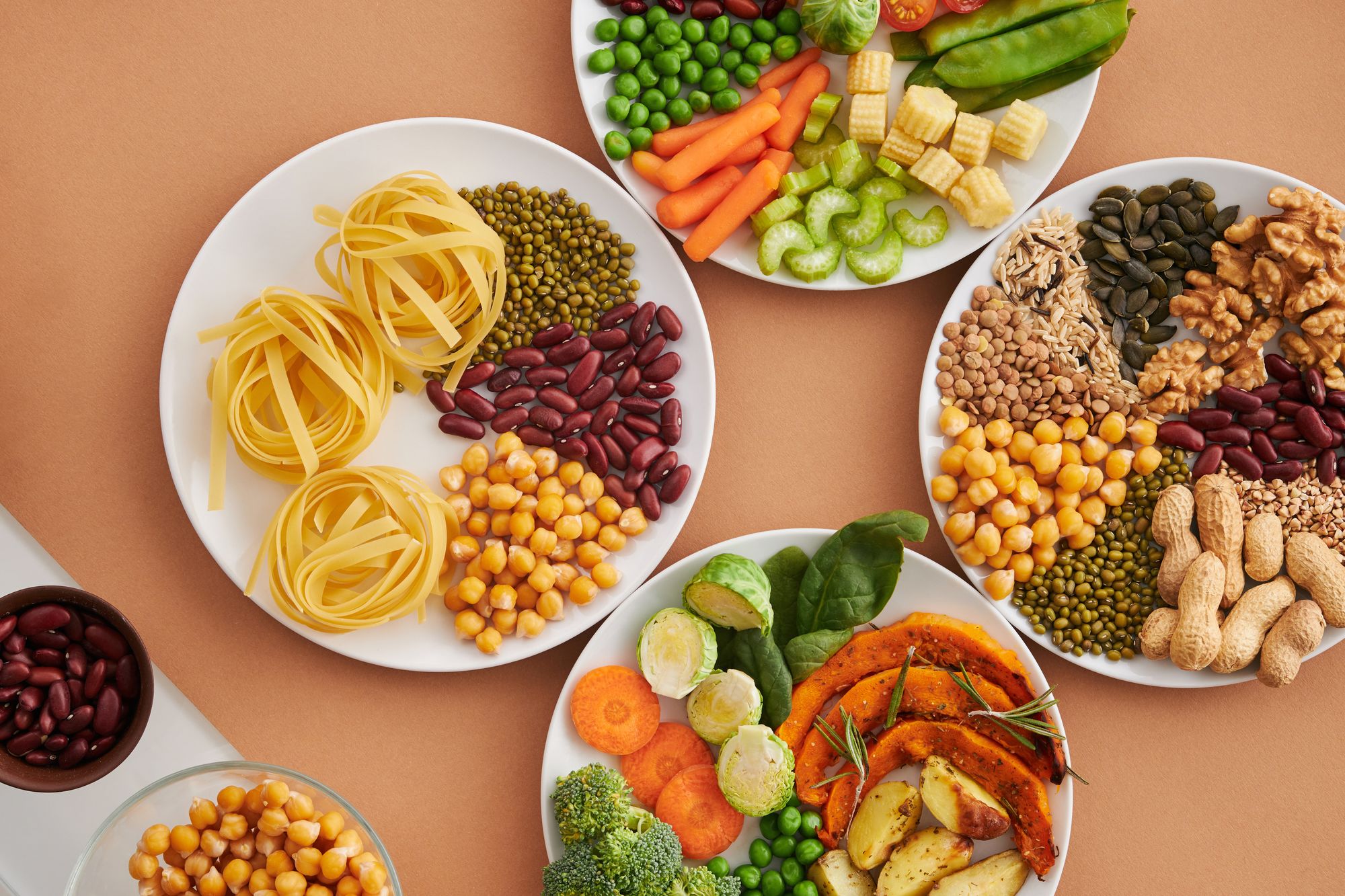
High-quality carbohydrates, as defined by current research, share three characteristics: they are minimally processed, they contain substantial dietary fiber — particularly fiber fermentable by gut bacteria — and they produce a moderate rather than sharp rise in blood glucose.
Foods that consistently score well across these criteria include:
- Intact legumes: lentils, chickpeas, black beans, kidney beans
- Non-starchy vegetables: broccoli, leafy greens, cauliflower, carrots
- Low-glycemic whole fruits: berries, apples, pears, citrus
- Intact whole grains: steel-cut oats, hulled barley, whole rye berries, quinoa
Foods that score poorly include white bread, white rice, sugary breakfast cereals, pastries, crackers, and all sweetened beverages — refined carbohydrates that deliver glucose rapidly with minimal fiber, micronutrient, or fermentation value in return.
Portion context matters in both directions. Even high-quality carbohydrates consumed in very large quantities can elevate glycemic load to levels that partially undermine their benefits. Researchers therefore emphasize the ratio of high- to low-quality carbohydrates within total daily intake, not simply the presence of good options alongside poor ones.
What This Means for How We Think — and Talk — About Carbs
The practical implication of this research is not a directive to eat fewer carbohydrates. It is a directive to audit their quality. Replacing even a modest fraction of daily refined carbohydrate intake with high-fiber, low-glycemic alternatives could, according to the study’s findings, meaningfully shift long-term aging odds — a return on a dietary change that requires no extreme restriction and no elimination of an entire macronutrient group.
For clinicians and registered dietitians, the findings support moving patient conversations away from macronutrient percentages and toward food-quality assessments that account for fiber type, degree of processing, and glycemic impact. That shift is already underway in research settings but has been slow to reach routine clinical practice.
The broader conclusion the evidence now supports is this: carbohydrates are not a dietary category to be feared or eliminated. They are a nutritional domain where quality discrimination — developing a working understanding of what separates genuinely beneficial carbs from harmful ones that goes well beyond a package label — may be among the most consequential dietary choices a person makes for how well, and how long, they live.