
Children don’t choose their meals so much as they accept them — and a new study by University of Colorado Anschutz Medical Campus researchers and collaborators turns that deceptively simple observation into a finding with real implications for school cafeterias, home dinner tables, and nutrition policy.
The Core Finding
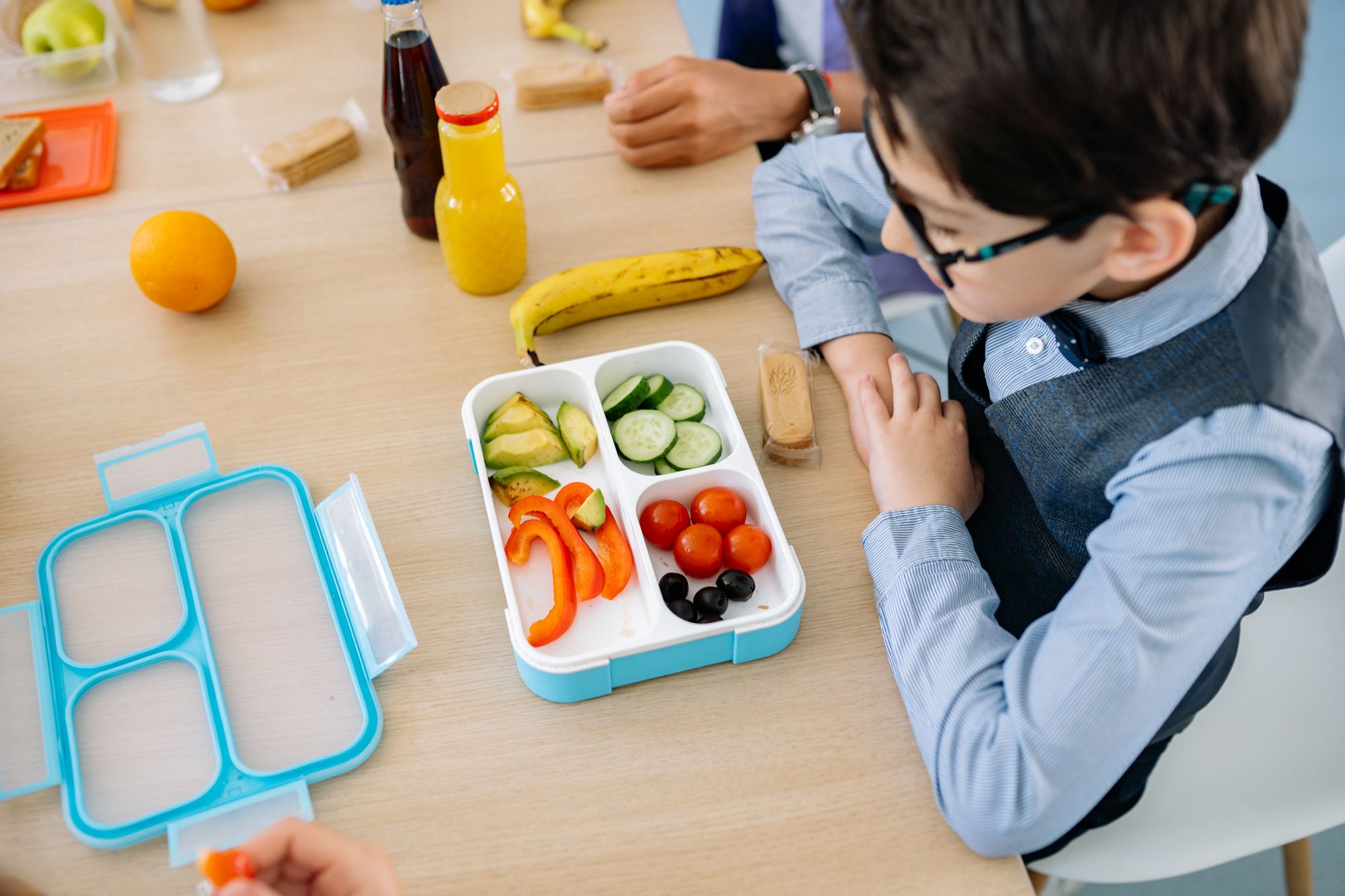
The central result of the CU Anschutz food placement study is this: children tend to eat the food placed directly in front of them. When healthier foods were placed before children, those children were likely to eat those healthier options. If that sounds obvious, consider its power. The same mechanism that leads a child to eat whatever lands on the tray can be deliberately aimed at fruits, vegetables, and whole grains rather than at processed foods and empty calories.
The stakes are genuinely high. Childhood dietary patterns are linked by decades of nutritional science to long-term health outcomes, including cardiovascular disease, metabolic health, and cognitive development. How children come to select food — or, more precisely, how much of that selection is driven by their environment rather than active preference — is one of the most consequential questions in public health. The CU Anschutz study offers a clear, empirically grounded answer: environment matters enormously.
What follows unpacks what the researchers measured, why the underlying mechanism works, how the finding fits into the broader science of behavioral nudges, and what parents, schools, and policymakers can realistically do with the result.
What the Study Actually Found
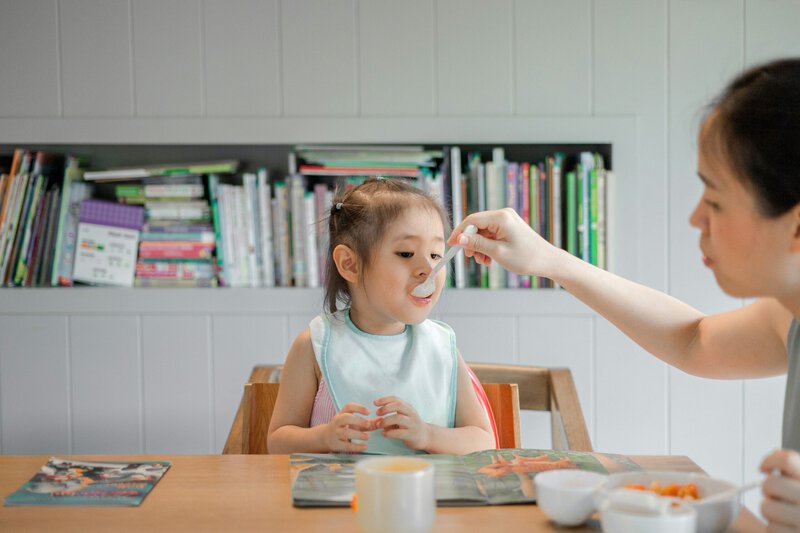
According to the CU Anschutz Medical Campus researchers and their collaborators, children tend to eat the food placed directly before them rather than making active, preference-driven selections. The pattern documented is one of passive acceptance: when a food is present and immediately accessible, children eat it. When it is absent or out of reach, they generally do not seek it out.
The key implication is direct: if children are consistently given access to more fruits, vegetables, and whole grains by default, the research suggests they are likely to consume those healthier options. That is not a trivial finding. It means that improving children’s diets may require less persuasion, fewer incentive programs, and less nutritional education than previously assumed — and more deliberate thought about physical arrangement.
What the study does not claim is equally important to state clearly. The CU Anschutz researchers stop short of asserting that children will always eat healthy food, or that placement alone overrides every other variable. Hunger level, food palatability, cultural familiarity, and individual sensory preferences all continue to play roles. The finding describes a powerful tendency, not an absolute law.
The Psychology Behind the Plate
To understand why food placement works on children, it helps to understand nudge theory — a framework formalized by behavioral economists Richard Thaler and Cass Sunstein that holds that the design of a decision environment powerfully shapes human behavior without restricting freedom or changing financial incentives. No one is forced to eat the apple on the tray; the apple is simply there, and being there does most of the work.
Applied to children’s eating habits, placement functions as a default nudge: the food already on the tray becomes the path of least resistance. Human beings, children and adults alike, are cognitively inclined to accept defaults rather than actively override them. Overriding a default requires attention, motivation, and executive effort — resources that are finite, and that children deploy less consistently than adults.
The broader field of food psychology supports this mechanism independently of the CU Anschutz study. Research published in peer-reviewed journals has shown that proximity, visibility, and serving order all influence how much of a given food people consume. The CU Anschutz findings align with this established framework rather than contradicting it, which is a meaningful signal. A study that replicates a well-documented behavioral principle in a specific population is generating evidence, not an anomaly.
Why Children Are Especially Responsive — and Why That Is Not a Weakness
Developmental psychology research indicates that young children have not yet fully developed the executive-function capacity that allows adults to override immediate environmental cues with deliberate, future-oriented reasoning. A grown adult can look at a piece of cake, consciously recall a health goal, and decline. A young child’s cognitive architecture makes that override genuinely harder — not because of a character flaw, but because the relevant neural systems are still maturing. Their eating behavior is therefore more responsive to immediate context than that of most adults.
This responsiveness is not a deficit to be corrected through willpower training or nutritional lectures. It is a biological reality that caregivers and institutions can work with. If the environment is structured so that nutritious options appear first and prominently, children’s natural tendency to accept what is in front of them becomes an asset rather than a liability.
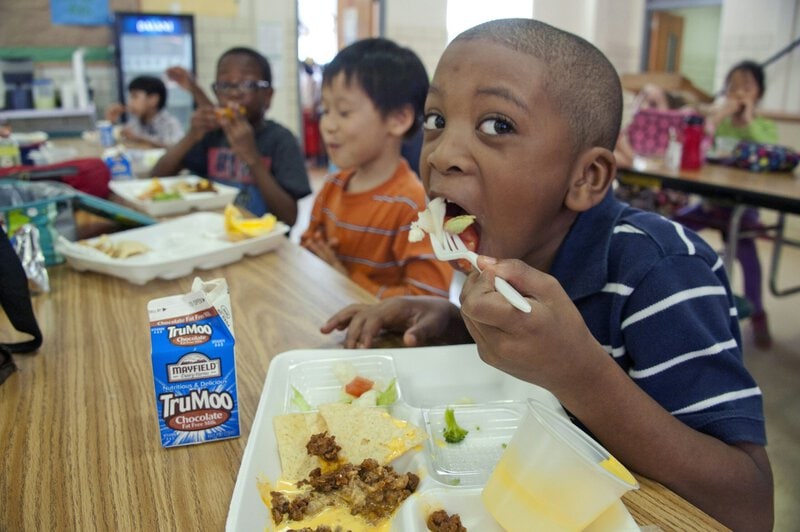
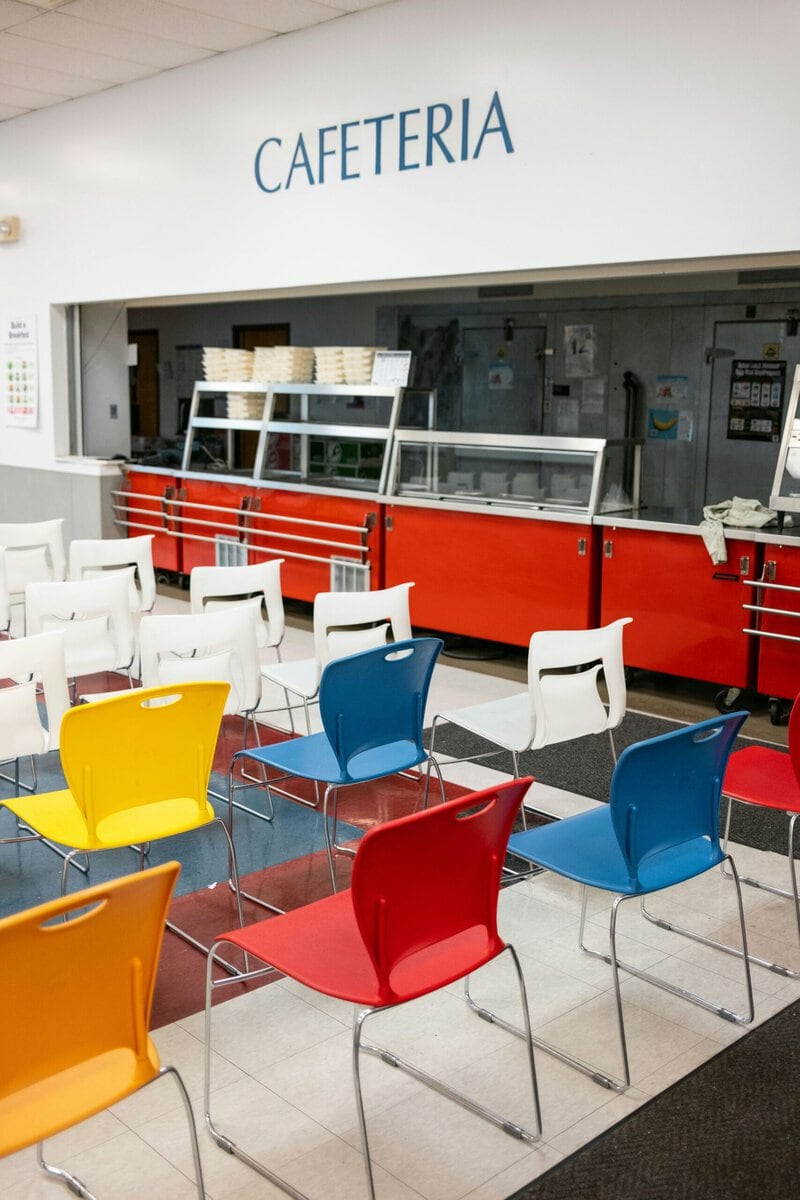
School lunch programs represent a particularly high-leverage setting. Children in the United States consume a substantial share of their daily caloric intake at school, and cafeteria food placement is therefore one of the most scalable levers available to public health officials. A change in tray layout or serving-line arrangement reaches thousands of children simultaneously, at no additional cost per child, and without requiring any individual family to alter its behavior at home.
Researchers are careful, however, to distinguish between the passive acceptance of placed food and genuine food preference. Getting a child to eat a serving of broccoli because it appeared on the tray is not the same as getting that child to enjoy broccoli. Preference development requires separate, longer-term strategies: repeated exposure across many meals, positive and pressure-free mealtime environments, and opportunities for children to explore unfamiliar foods without coercion. Placement is an entry point, not a complete solution.
What Schools and Parents Can Do Right Now
The practical applications of these findings are unusually concrete for nutrition research, which often produces results too complex or contextual to translate directly into action.
- For school cafeterias: Positioning fruits, vegetables, and whole-grain options at the front of serving lines — or as the first item placed on a tray, before less nutritious choices are visible — directly mirrors the mechanism the CU Anschutz research identifies. This is a low-cost, non-coercive intervention that requires no new funding, no curriculum changes, and no parental consent forms. It simply reorders what children encounter first.
- For parents at home: Serving a vegetable course before the rest of the meal arrives at the table, or placing a bowl of fruit at counter height while keeping processed snacks in opaque containers or upper cabinets, operationalizes the same placement principle in a domestic setting. The food that requires no effort to reach is the food that gets eaten.
- Pairing placement with atmosphere: Nutrition researchers broadly recommend combining structural changes with positive, pressure-free mealtime environments. A vegetable placed on a plate at a tense, rushed, or coercive table is working against a headwind. The same vegetable at a relaxed, unhurried meal has a meaningfully better chance.
One important caveat deserves prominent placement: children with food allergies, sensory processing sensitivities, or specific cultural food norms require individualized approaches that go beyond environmental architecture. Nudge theory describes population-level tendencies; it does not override the legitimate needs of individual children whose relationship with food is shaped by factors that placement alone cannot address.
How This Fits Into the Larger Research Landscape
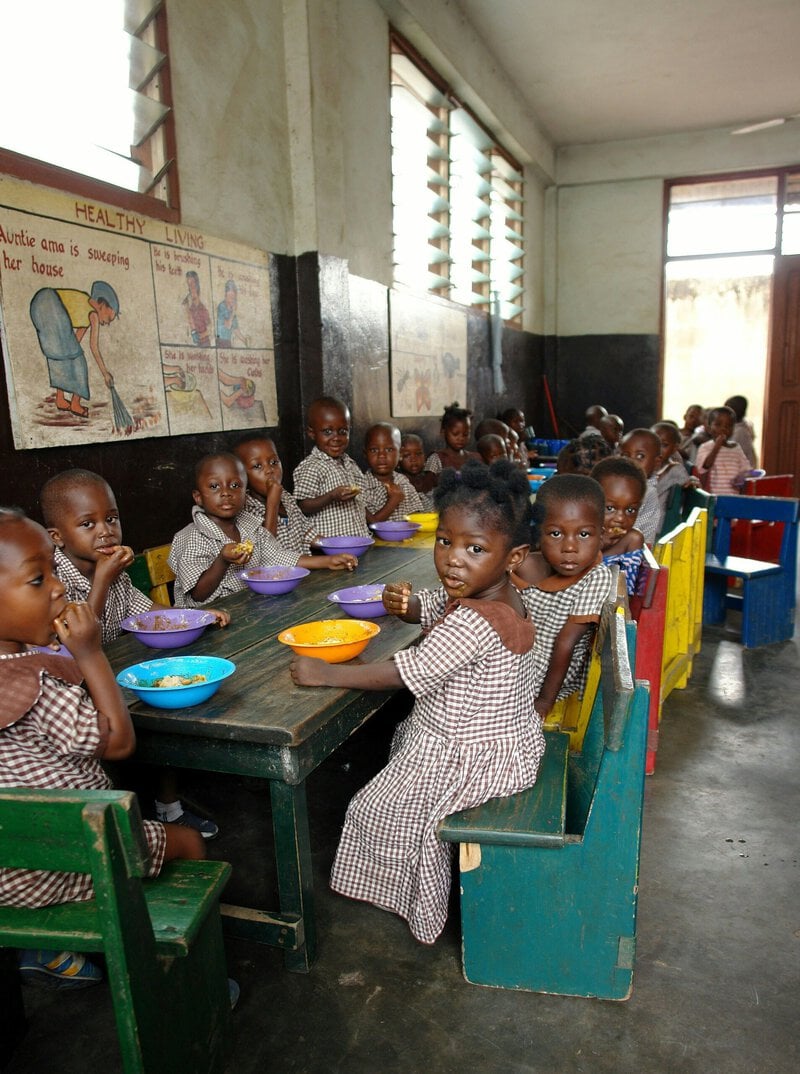
The CU Anschutz study joins a growing body of school-lunch research suggesting that behavioral interventions — changing how food is presented rather than mandating what children must eat — can shift dietary intake without generating the resistance that restrictive approaches often produce. Mandating that children take a vegetable and then eat it is a different, and generally less effective, strategy than simply ensuring the vegetable is already there.
Earlier work from Cornell University’s Food and Brand Lab, along with studies published in journals including Appetite and the Journal of the Academy of Nutrition and Dietetics, has explored placement effects and choice architecture in cafeteria settings, lending contextual support to the newer findings. The nudge-theory-and-children’s-eating literature is not new — but it continues to accumulate evidence, and the CU Anschutz contribution extends that evidence base in a specific, documented way.
A genuinely contested frontier in this field concerns durability. Researchers debate whether placement-based dietary improvements persist over time or whether children adapt to a new arrangement and gradually revert to previous patterns. There is also an open question about developmental windows: whether early nutritional gains from placement nudges have compounding benefits by shaping taste preferences during critical periods of development. The emerging consensus — still being actively refined — is that environmental design is a necessary but not sufficient component of childhood nutrition improvement, and that it works best alongside equitable food-access policy, nutrition education, and efforts to make healthy food genuinely appealing and culturally resonant.
The Bottom Line
The finding from the CU Anschutz researchers is both humbling and empowering. Children’s eating behavior is less about willpower or conscious preference and more about what adults choose to place in front of them. That framing removes some of the moral weight often attached to children’s diets — the idea that a child who eats poorly lacks discipline, or that parents who struggle with children’s nutrition are failing — and replaces it with a structural insight: the environment is doing most of the work, and the environment can be changed.
According to the CU Anschutz-led children food placement study, children tend to eat the food placed before them, and providing healthier options by default is likely to result in healthier consumption — a finding with direct, actionable implications for schools, caregivers, and the policymakers who set the rules governing both.
Next steps for the field include larger-scale trials across diverse school populations, longer follow-up periods to assess how durable placement-driven dietary changes are over time, and serious consideration of how food-placement strategies might be integrated into national school nutrition guidelines. The science is not complete. But the direction it points is clear enough to act on now.