10. Myth: Adult brains can not generate any new brain cells
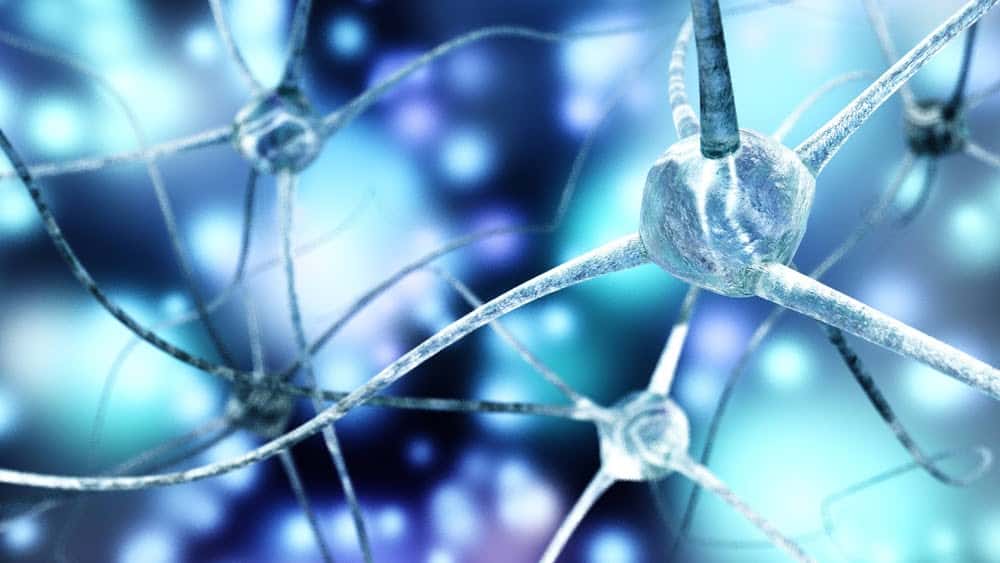
The majority of your brain cells are formed while you are in the womb. However, certain parts of your brain continue to create new neural cells during infancy. Neurogenesis is the process in which new neurons, or brain cells, develop in the hippocampus. The hippocampus is the brain region responsible for learning information, storing long-term memories, and regulating emotions. As you age, you naturally lose neurons. Over time, this can impact different aspects of your memory. Even in old age, the brain can produce over 700 new neurons in the hippocampus per day. While that may not seem like much since the brain contains billions of neurons, this amount still has precious benefits and properties.
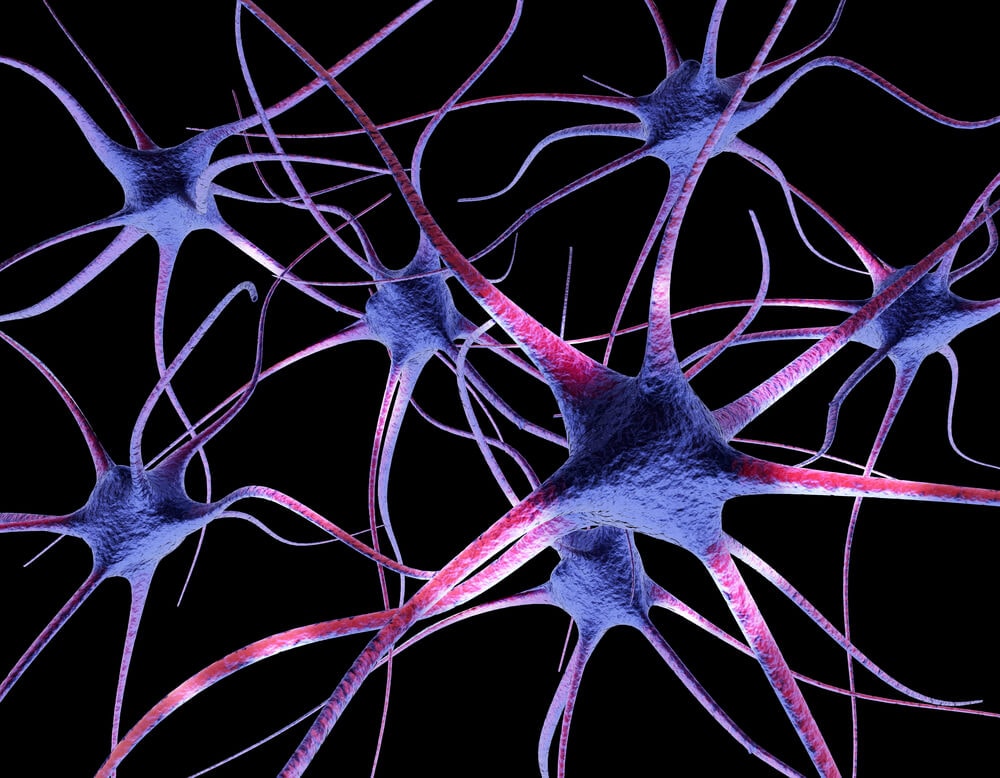
Neurogenesis might be able to help protect against Alzheimer’s and depression. Depression slows neuron production, and research has shown that a series of depression episodes can shrink the hippocampus by 10 percent. The science behind neurogenesis continues to grow and evolve. It has been said there are activities you can do to increase neurogenesis. These include regular exercise for both your body and brain. The aerobic exercise led to increased cell production and an increase in the amount of genetic information being encoded. Enriched learning environments also contribute to the survival of old cells and the production of new ones.