9. Myth: A full moon in the night sky impacts behavior
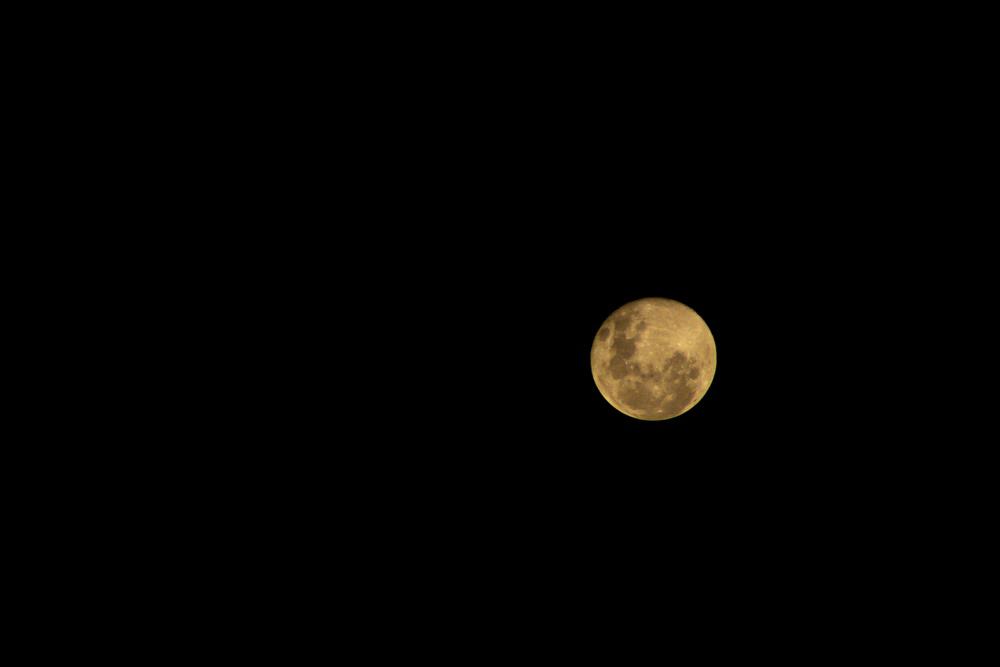
Many people who work with the elderly will say that when there is a full moon, the behavior of the residents changes too. The full moon has long been associated with unusual or bizarre human behaviors and activities. It is so common that you might hear ‘it must be a full moon in a conversation discussing abnormal behaviors or situations. However, it has yet to be scientifically proven. The proposed reason that the full moon impacts our behavior has to do with the moon’s gravitational force. The most well-known effect of the gravitational force is the ocean’s tides. Since our bodies are about 80 percent water, it’s long thought that we are also susceptible to this gravitational force.

Science has shown that the moon’s gravity doesn’t impact humans the same way it does the oceans. The moon’s gravitational forces are not strong enough to affect the human brain’s activity. Besides, the moon’s pull only creates tides in open bodies of water such as oceans and lakes. Closed water bodies, such as those inside our bodies, are not affected by this gravitational force. Finally, the moon’s gravitational pull is just as strong during a new moon as it is during a full moon. There are no theories about unusual behavior during the new moon. This myth has long been fueled by one generation to the next; it is also a popular storyline in movies.