
LATEST POSTS

Ancient Yemeni Artifacts Keep Surfacing at Auction — Looted or Lost?
A Bronze Vessel dated to 300 BCE and a Marble Head among nine ancient Yemeni artifacts quietly scheduled for auction in 2024 expose how conflict-zone looting, collapsed state records, and high collector demand keep pre-Islamic Yemeni antiquities flowing through global salerooms.
2026 Solar Eclipse Gives Scientists 3 Minutes to Crack a 150-Year Corona Mystery
When the Moon's shadow crosses the Atlantic on August 12, 2026, NASA-supported researchers — including Montana State students flying high-altitude balloons — will have roughly three minutes to gather rare inner-corona data on one of solar science's oldest unsolved puzzles: why the Sun's outer atmosphere is a million degrees hotter than its surface.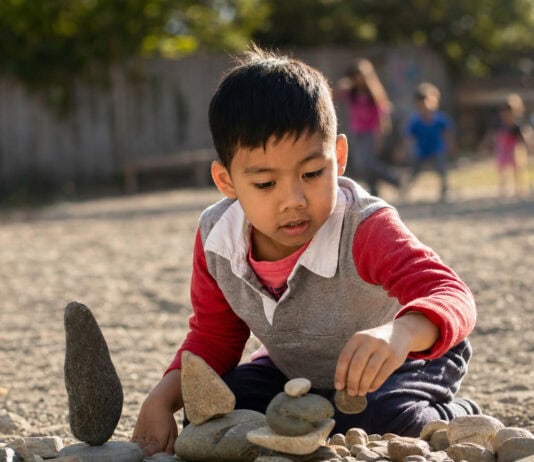
Kids Who Play Alone Aren’t Lonely, Study Finds — and Solo Play Builds Key Skills
A new University of Georgia study found that children who regularly play alone are not necessarily lonely, reporting similar senses of belonging as their more social peers. Researchers also identified solitary play as a key context for building executive function and self-regulation.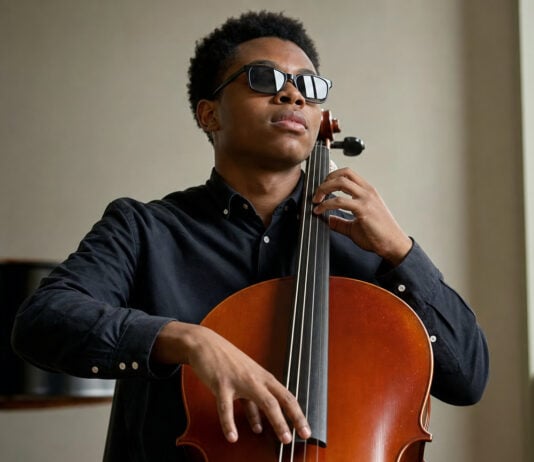
Blind Musicians Learn Strings by Touch — Science Is Now Designing for That
A new Indiana University study is the first to systematically examine how blind and low-vision musicians learn bowed string instruments, finding that their tactile and proprioceptive strategies are highly sophisticated — yet almost entirely unsupported by existing teaching tools or technology.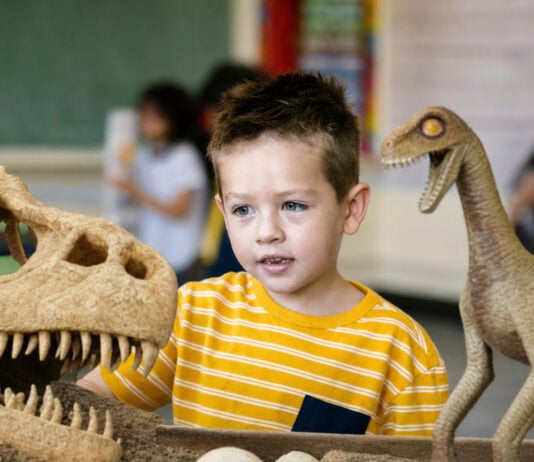
Dinosaur Discovery at Birchwood School Shows Why Fossil Awe Rewires Kids’ Brains
When dinosaur bones and fossils emerged from Birchwood School's grounds, students entered a state of neurological awe — one researchers say opens the brain to deeper, longer-lasting learning. New science explains exactly why paleontology is such a powerful classroom tool.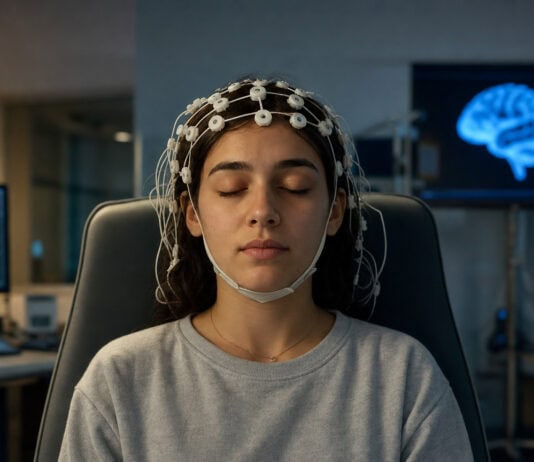
Sleep Incentives Raised College Grades — Here’s What Happens in Your Brain
A study using financial incentives to shift college students' bedtimes earlier found that more sleep directly improved academic performance — and the neuroscience of memory consolidation explains exactly why.Load More
TOP POSTS

August 19, 2026



EDITOR PICKS

December 12, 2024


