11. Myth: Adding salt to a pot of boiling water helps… something.
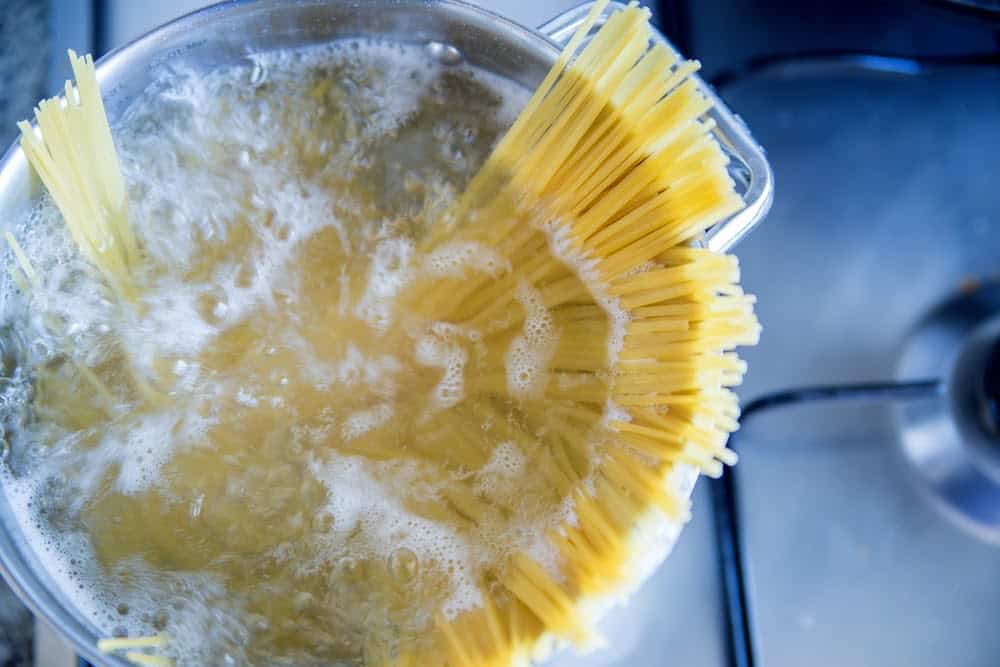
Amateur chefs seem to swear by this tale. Although technically, the story is slightly accurate, the difference is minimal. If you add one teaspoon of salt to a liter of water, the difference in boil time will be a few seconds, if that. Occasionally, adding salt to water can do the exact opposite and cause it to take longer for the water to boil. The salt increases the boiling point of water, which is when the water’s tendency to evaporate is greater than its tendency to remain a liquid on a molecular level.

When the salt is added to the pot, the boiling point elevation phenomenon goes into effect. Boiling point elevation occurs when a non-volatile solute such as salt is added to a pure solvent, such as water, to create a solution — saltwater. The result is that the saltwater requires more exposure to the heat to boil than water alone, so the boiling point is elevated, and the time it takes to get the water to boil increases. Adding salt to the water makes the water hotter, but it still doesn’t make it boil faster. If you prefer your water boils faster, just leave it as it is!