
LATEST POSTS
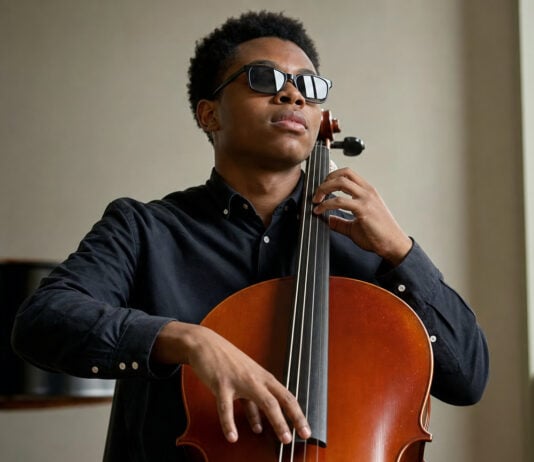
Blind Musicians Learn Strings by Touch — Science Is Now Designing for That
A new Indiana University study is the first to systematically examine how blind and low-vision musicians learn bowed string instruments, finding that their tactile and proprioceptive strategies are highly sophisticated — yet almost entirely unsupported by existing teaching tools or technology.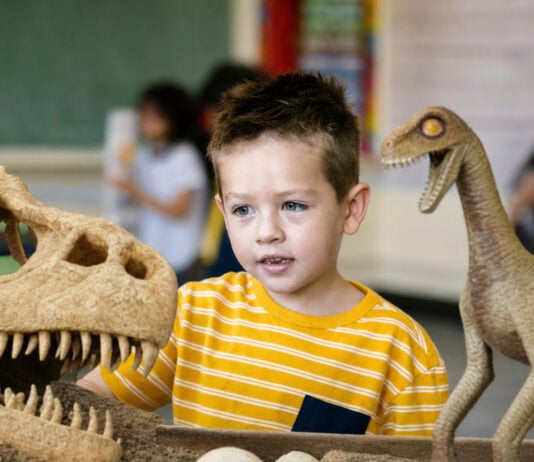
Dinosaur Discovery at Birchwood School Shows Why Fossil Awe Rewires Kids’ Brains
When dinosaur bones and fossils emerged from Birchwood School's grounds, students entered a state of neurological awe — one researchers say opens the brain to deeper, longer-lasting learning. New science explains exactly why paleontology is such a powerful classroom tool.
Fandom Happiness Study Crowns Stray Kids Fans #1 Out of 106 Artists
A large-scale sentiment analysis of over 1.5 million Reddit comments ranked Stray Kids' fandom as the happiest out of 106 popular artists — and the brain science of parasocial bonds may explain why.
Sleep Incentives Raised College Grades — Here’s What Happens in Your Brain
A study using financial incentives to shift college students' bedtimes earlier found that more sleep directly improved academic performance — and the neuroscience of memory consolidation explains exactly why.
70% of Adults Have Sleep Problems — Science Says We Blamed the Wrong Cause
Sleep problems affect up to 70% of adults worldwide, but emerging research shows that stress, anxiety, and bad habits are only part of the picture — biological vulnerabilities and clinical misdiagnosis are playing a far larger role than most people realize.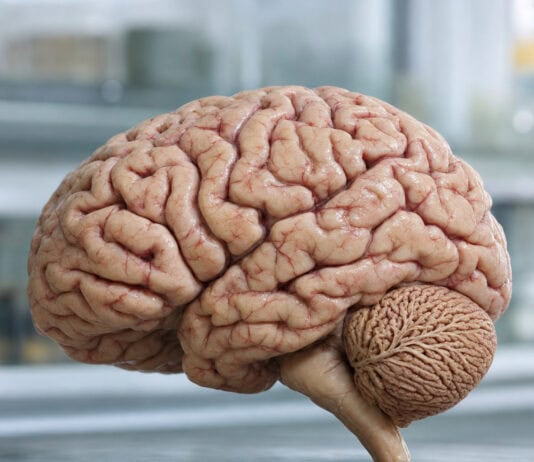
Cerebrum Is 85% of Brain Weight but Cerebellum Has 69 Billion Neurons
The cerebrum dominates the human brain by size and weight, controlling movement, sensation, and thought — but the far smaller cerebellum contains most of the brain's neurons and is rewriting what scientists thought they knew about cognition and emotion.Load More