1. Midnight Sun
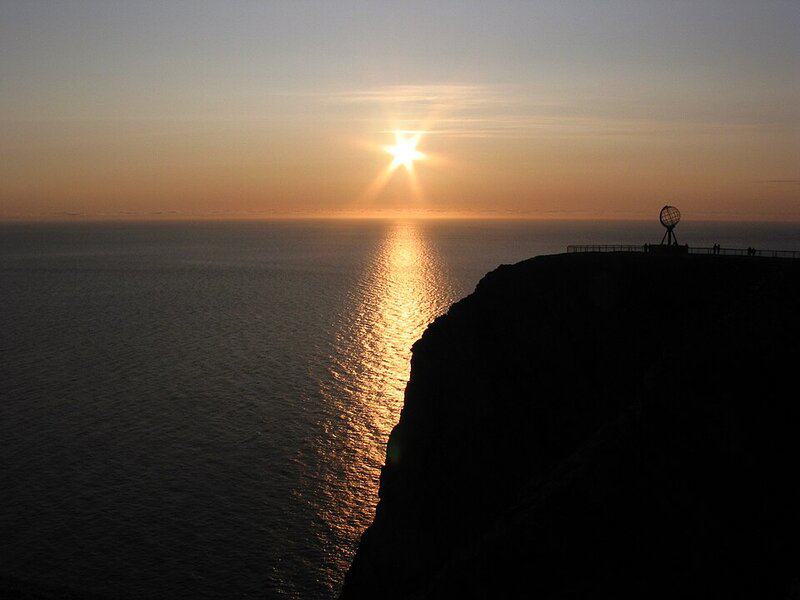
At the North Pole, the Sun remains above the horizon for approximately six months, from late March to late September, creating a continuous 24-hour daylight period known as the “Midnight Sun.” This phenomenon occurs due to Earth’s axial tilt of about 23.4 degrees, which causes the poles to be exposed to the Sun’s rays for extended periods during their respective summer seasons. (timeanddate.com) In contrast, most regions experience regular day-night cycles, with the Sun rising and setting each day. The Midnight Sun is a unique aspect of the Arctic environment, offering extended daylight hours that influence both the natural world and human activities in the region.