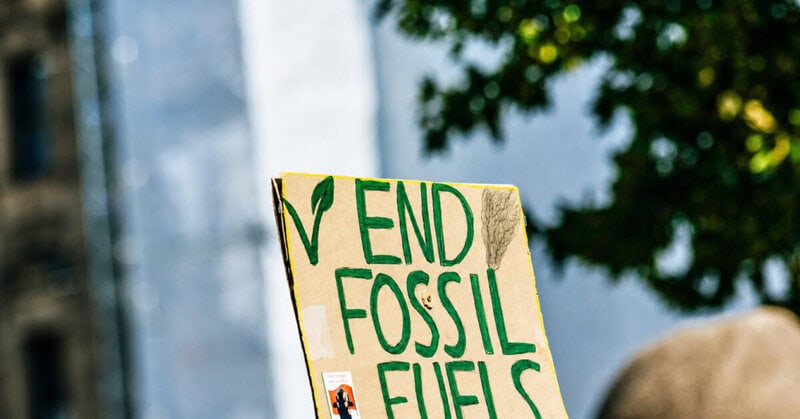
On a Sunday in Turkey, the longest climate summit in the history of the United Nations Framework Convention on Climate Change came to a close without a single binding commitment on fossil fuels — the acknowledged primary driver of global warming. The atmosphere, indifferent to procedural timelines, kept accumulating carbon dioxide anyway.
Two Weeks, Zero Deal, One Relentless Clock
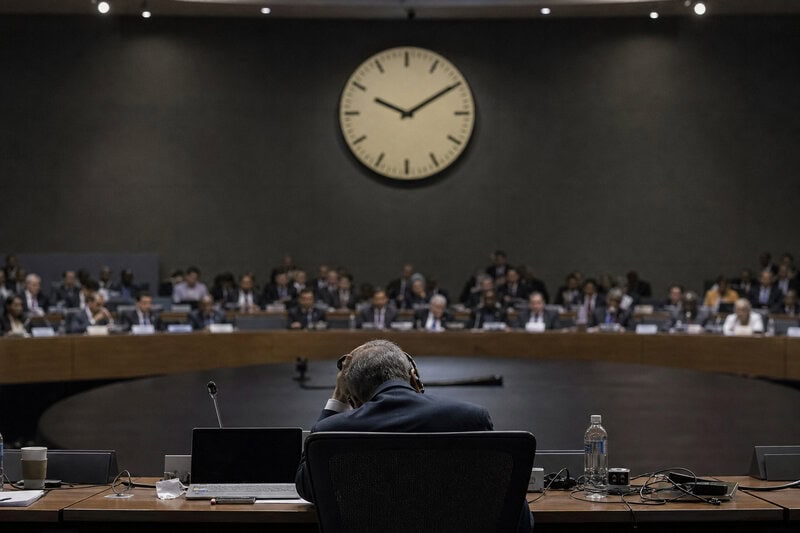
COP31 — the 31st annual Conference of the Parties under the UN climate treaty — was supposed to build on the momentum of its predecessors and move the world closer to a managed transition away from the fuels that science has unambiguously linked to rising temperatures. Instead, negotiations stretched beyond their scheduled end into extra days, earning the unwanted distinction of being the longest climate summit ever held. When talks finally collapsed, the proposed final text did not even mention fossil fuels — a document so stripped of ambition that it ruptured rather than united the negotiating blocs.
The central tension of COP31 is not difficult to state, even if it proved impossible to resolve: negotiators could not agree on language that so much as named fossil fuels, let alone committed to reducing them. COP31 did not fail because the science is uncertain; it failed because the politics of fossil-fuel dependency proved, once again, more stubborn than the physics of a warming planet.
What Actually Happened in Turkey: A Summit That Broke Records for the Wrong Reasons
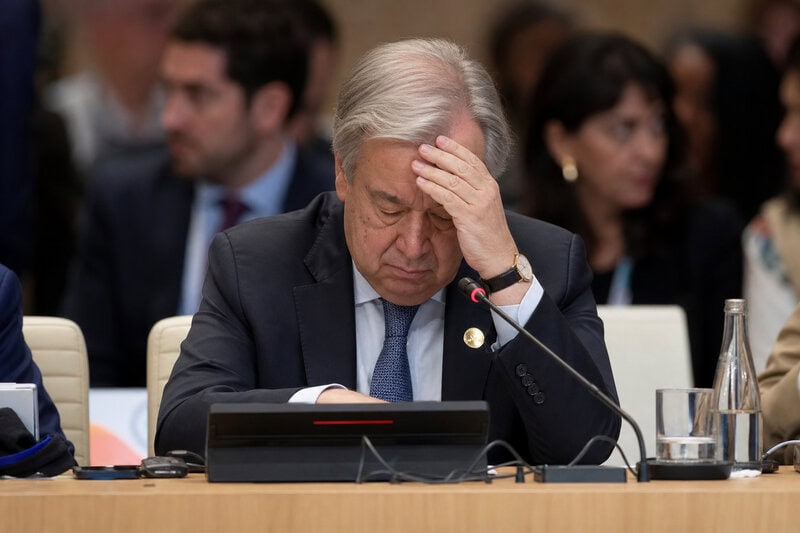
The formal two-week negotiating period in Turkey stretched into additional days as delegations failed to bridge fundamental divides. According to CBS News reporting on the UN COP31 climate conference, the talks ended with no agreement after the fossil-fuel debate reached a standstill. The UN and multiple delegations publicly described the breakdown as a failure to reach a climate pact — without assigning blame to a single party, an important distinction for readers who want accuracy over narrative convenience.
Two fault lines defined the breakdown. The first was substantive: deep divisions emerged between fossil-fuel-producing nations and climate-vulnerable states over whether, and in what language, the summit’s final document would address the phase-out or phase-down of coal, oil, and natural gas. The second was financial: wealthy, historically high-emitting nations and developing countries could not agree on the scale or structure of climate finance — money pledged to help poorer nations reduce their own emissions and adapt to climate impacts they did relatively little to cause.
The proximate cause of collapse was the proposed final text’s silence on fossil fuels. COP28 in Dubai in 2023 had produced landmark language calling for a “transition away” from fossil fuels — the first time in three decades of UN climate negotiations that those words had appeared in a consensus document. The absence of equivalent language at COP31 was therefore read by many delegations not as neutrality but as regression. BBC News reported on how the COP31 climate talks failed to reach a deal amid fossil fuel and money rows, a framing that captures both fault lines accurately.
The Science That Didn’t Take a Recess: CO2 Levels and the Carbon Budget
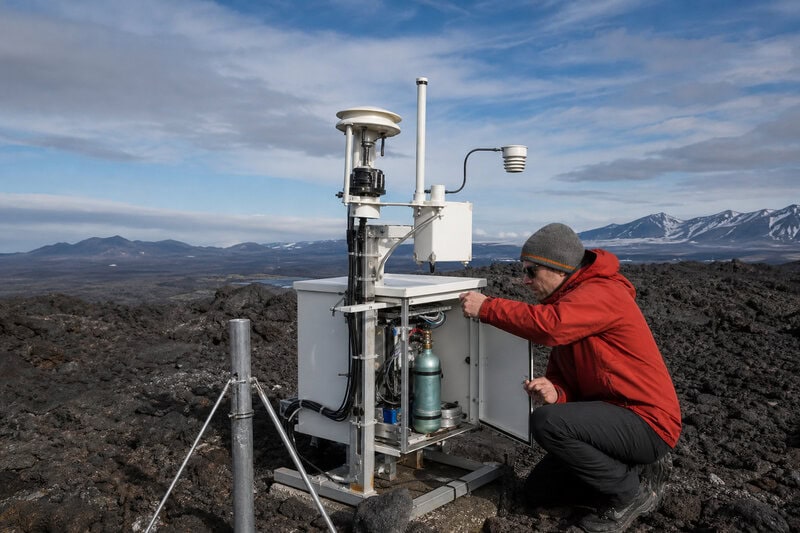
While negotiators debated sentence structure in Turkey, the physical processes driving climate change continued without interruption. Atmospheric CO2 concentration is measured continuously by institutions including NOAA’s Global Monitoring Laboratory, and global CO2 levels remain on an upward trajectory regardless of diplomatic outcomes. The atmosphere does not distinguish between a year with a strong COP agreement and a year without one.
Understanding why each failed summit is materially more costly than the last requires grasping a concept called the carbon budget. A carbon budget is the total cumulative amount of CO2 humanity can still emit while keeping global average warming below a given temperature threshold — most commonly 1.5 degrees Celsius above pre-industrial levels, the more ambitious target in the Paris Agreement. Because the carbon budget is a cumulative measure, every year that emissions continue at current rates shrinks the remaining space. Time, in climate arithmetic, is not neutral.
The Intergovernmental Panel on Climate Change (IPCC) — the UN body charged with synthesizing climate science from thousands of peer-reviewed studies — has consistently identified fossil-fuel combustion as the dominant source of human-caused greenhouse-gas emissions. That finding is not in scientific dispute. What does involve genuine uncertainty is the precise speed at which renewable energy can replace fossil fuels at scale across different national contexts, and exactly how national emission trajectories will evolve over the coming decade. Those uncertainties are real, and responsible reporting should not present optimistic or pessimistic projections as certainties.
Why Fossil Fuels Became the Sentence That Broke the Summit
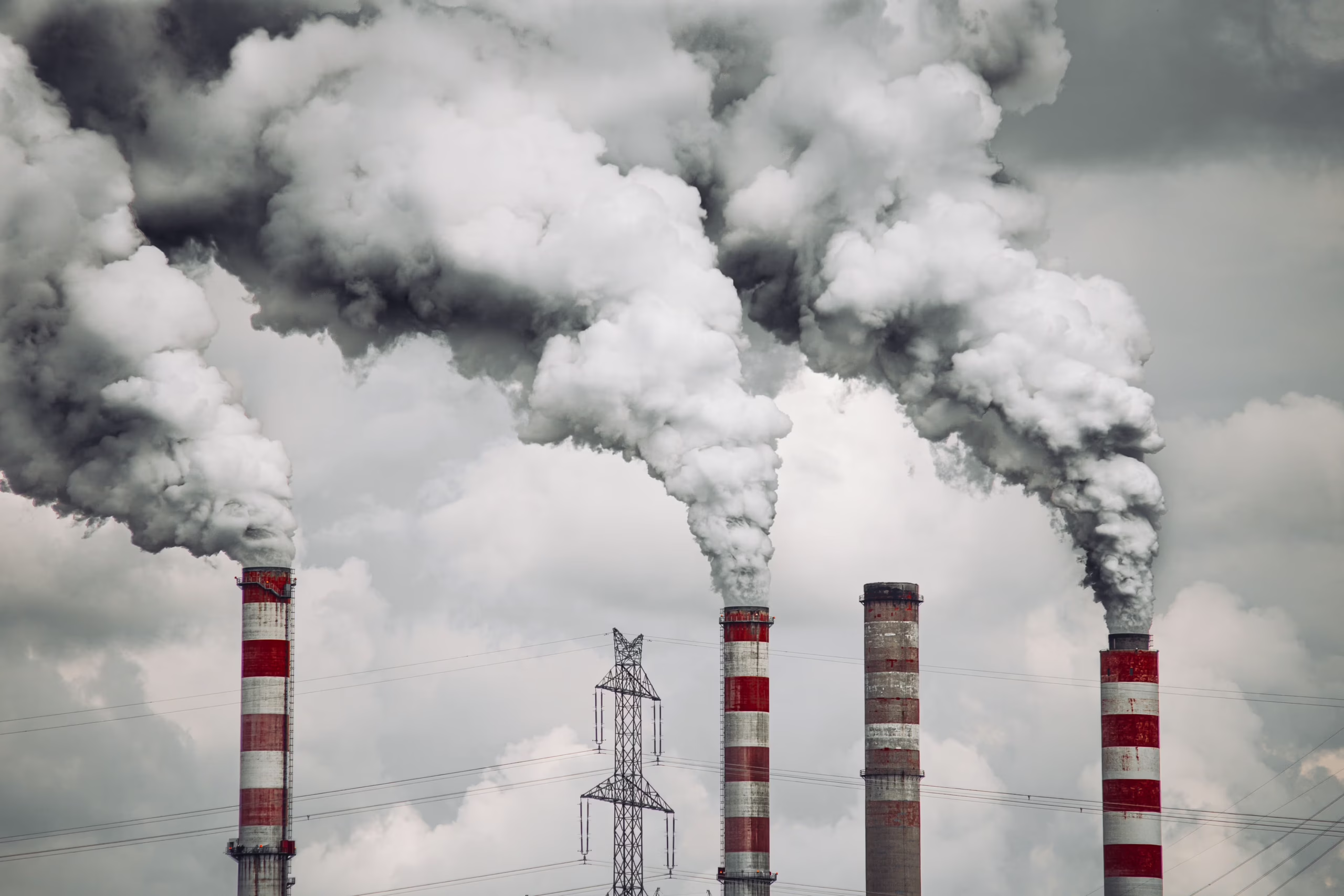
Fossil fuels — coal, oil, and natural gas formed from ancient organic matter over hundreds of millions of years — release CO2 when burned that had been chemically sequestered long before human civilization existed. That release is rapid by geological standards, overwhelming the natural carbon sinks — forests, oceans, soils — that absorb CO2 on slower timescales. This is the basic mechanism linking fossil-fuel combustion to rising atmospheric CO2, and it is well-established physics, not conjecture.
For fossil-fuel-exporting economies, explicit “phase-out” language in a UN document represents a direct threat to sovereign revenue and national economic planning. For small island states, low-lying coastal nations, and other climate-vulnerable countries, the absence of such language represents something closer to an existential threat — the difference between a world that stabilizes warming and one that does not. This structural asymmetry makes compromise genuinely difficult, not merely a matter of diplomatic will.
Climate-policy analysts and delegations present at the talks described this dynamic as one in which the negotiating geometry resisted bilateral pressure. Nations most financially dependent on fossil-fuel revenues and nations most financially vulnerable to climate impacts have overlapping but not identical interests, creating alliances that shift depending on the specific text under negotiation.
The Money Divide: Climate Finance and the North-South Fault Line
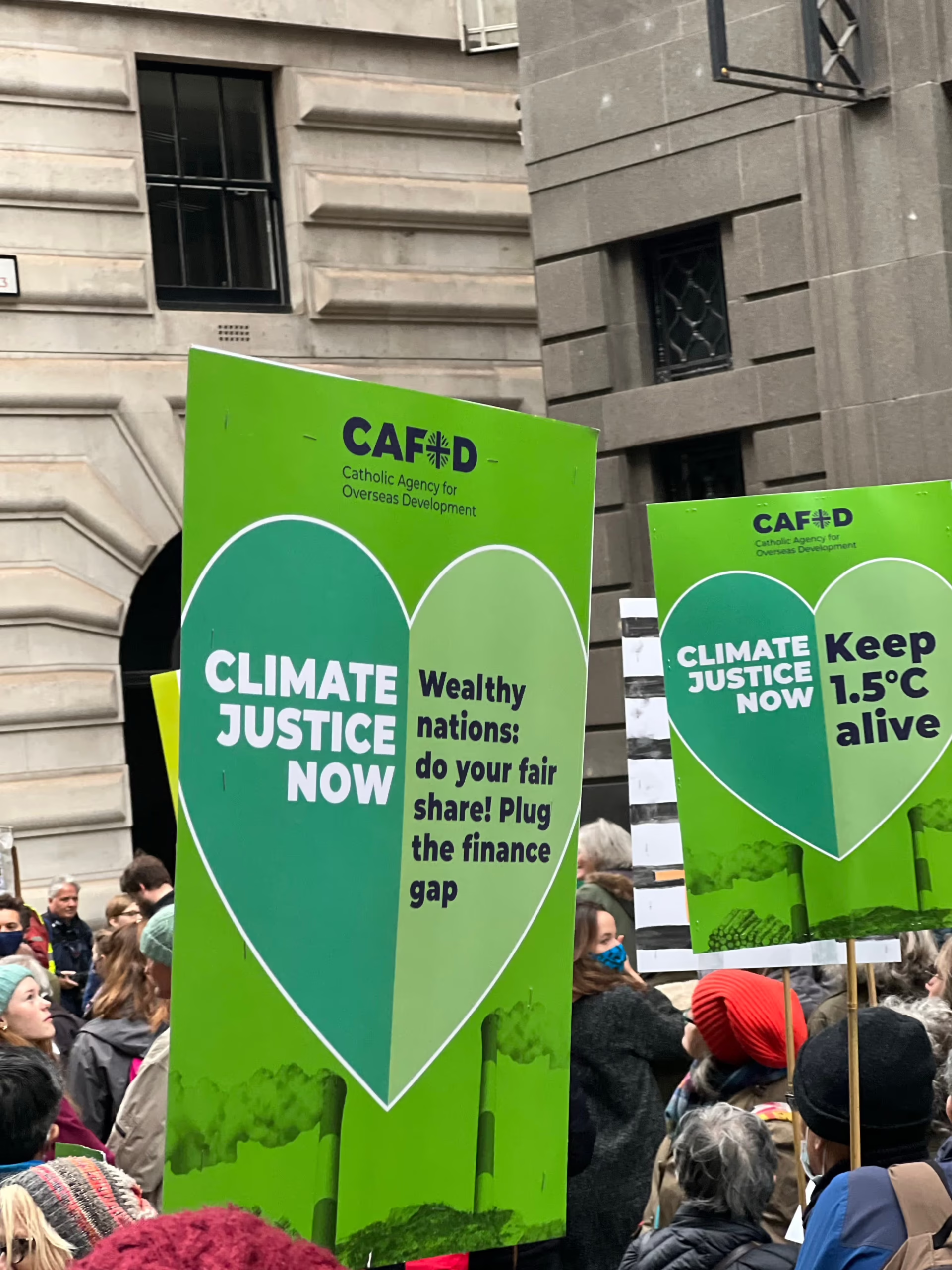
The second major breakdown point at COP31 involved climate finance. Wealthier nations — which bear the largest historical responsibility for cumulative carbon emissions — have made pledges to help developing countries both decarbonize their economies and adapt to climate impacts. But the size, form, and conditionality of those funds remain deeply contested at every summit. At COP31, developing nations argued that proposed finance figures were inadequate relative to the scale of climate damage they face, according to reporting from the UN Regional Information Centre.
The specific figures, proposals, and counterproposals exchanged in Turkey were not fully public at the time of writing, and readers seeking precision on those details should consult named delegations or credible news organizations that covered the summit directly. What is clear is that the finance question and the fossil-fuel question reinforced each other: nations being asked to forgo fossil revenues without adequate compensation were unlikely to accept phase-out language, while nations being asked to accept inadequate finance were unlikely to soften their demands on emissions language.
What Climate Science Says Happens Next: Mechanisms, Feedbacks, and Remaining Windows
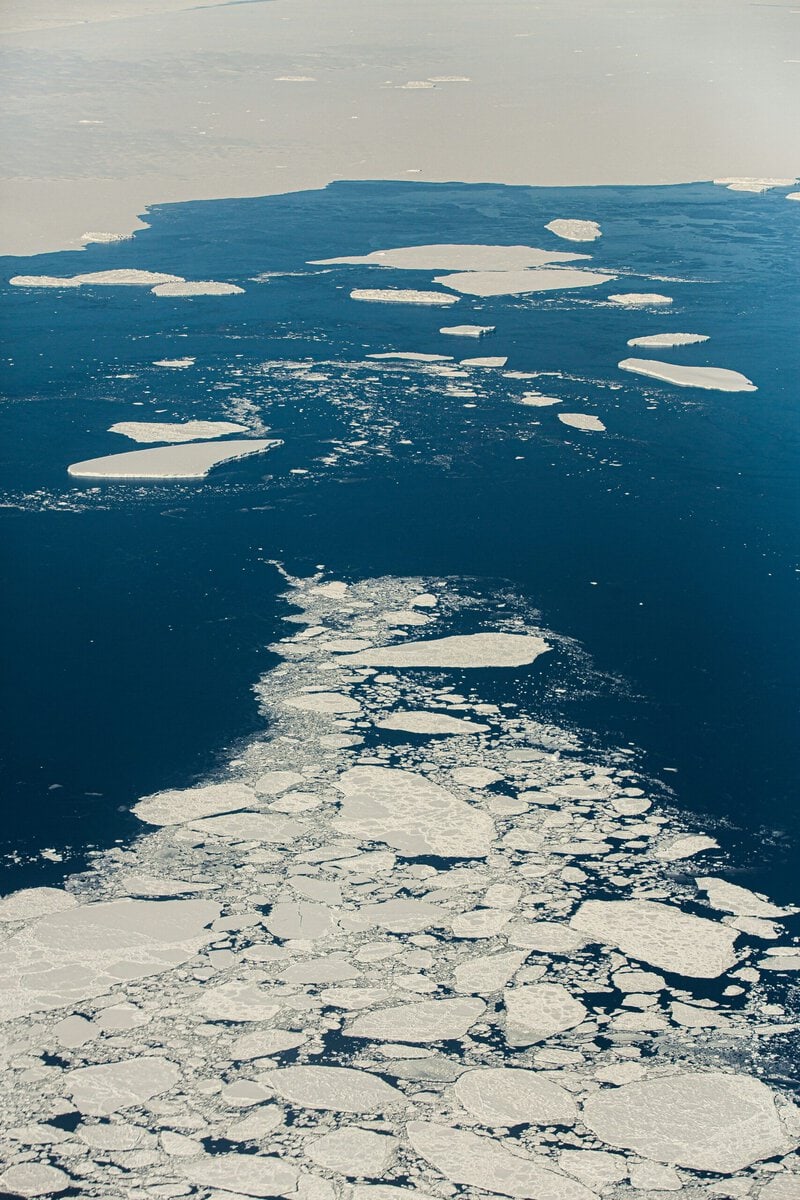
The core physical mechanism underlying climate change is accessible in plain language. CO2 and other greenhouse gases — including methane and nitrous oxide — trap outgoing infrared radiation in the atmosphere, a process called the enhanced greenhouse effect. Because warming is proportional to cumulative CO2 concentrations rather than annual emissions alone, the heat already built into the system from past emissions will continue influencing global temperatures even if emissions were to stop today. Past choices have consequences that extend forward in time.
Some Earth-system components may cross thresholds — often called tipping points — beyond which self-reinforcing changes occur with limited ability for human intervention to reverse them. Examples studied by researchers include Arctic permafrost thaw releasing stored methane, dieback in the Amazon rainforest, and destabilization of major ice sheets in Greenland and West Antarctica. The IPCC describes these as serious risks but notes explicitly that the precise temperature levels at which individual tipping points would be triggered remain an active area of research. This is a domain of genuine scientific uncertainty, and it should be presented as such.
What is well-established consensus — not emerging or contested — is that warming causes more frequent and intense extreme weather events including heatwaves, heavy precipitation, and intensified tropical storms. The science of attributing specific weather events to climate change, known as event-attribution science, is rigorous and increasingly sophisticated, but it produces probabilistic estimates, not deterministic ones. A particular storm did not happen “because of” climate change in a simple causal sense; rather, climate change measurably altered the probability and intensity of such an event.
The same carbon-budget arithmetic that makes failed summits costly also contains a less-reported implication: every fraction of a degree of warming avoided has measurable benefits for human health, food security, and ecosystem stability. The IPCC’s Sixth Assessment Report makes this point explicitly, resisting both fatalism and false optimism. The window has narrowed, but it has not closed.
What Comes After COP31: Pathways, Pressures, and the Next Negotiating Window
A failed COP does not dissolve the Paris Agreement, which remains in force as an international treaty. What it does is leave a gap in the cumulative ambition that the Agreement’s temperature targets require. Nations retain their existing Nationally Determined Contributions — the emission-reduction pledges made under Paris — but COP31 produced no mechanism to increase those pledges or hold parties accountable to new ones.
The pressures that persist outside the negotiating room are real and operate on their own timelines. National climate legislation continues to advance in multiple jurisdictions. Courts in several countries have issued rulings invoking state obligations on climate. Investors are applying increasing scrutiny to fossil-fuel assets. And the cost-competitiveness of solar, wind, and battery storage has improved dramatically over the past decade, altering the economic calculus for energy investment regardless of what any COP document says.
Repeated summit failures do, however, carry a credibility cost. Climate-policy researchers, including those affiliated with the Climate Action Tracker initiative — which independently assesses national climate commitments against Paris Agreement targets — have raised concerns that a pattern of diplomatic breakdowns risks undermining public and political confidence in multilateral climate governance. That concern is worth taking seriously without concluding that the process is irredeemably broken. NPR’s full account of how COP31 ended without a deal on fossil fuels and additional reporting from WUSF together provide granular detail on the final negotiating hours that will inform the design of future rounds, as they should.
COP31’s collapse is a political event. The accumulation of CO2 in the atmosphere is a physical one — and the second does not wait for the first to resolve itself. The next negotiating window will open with a slightly smaller carbon budget, a slightly warmer baseline, and the same structural tensions that brought Turkey’s summit to its record-setting, deal-free end. What changes between now and then is a question that science can frame but only human decisions can answer.