Artemis II Flight Test Will Put Another Person On The Moon
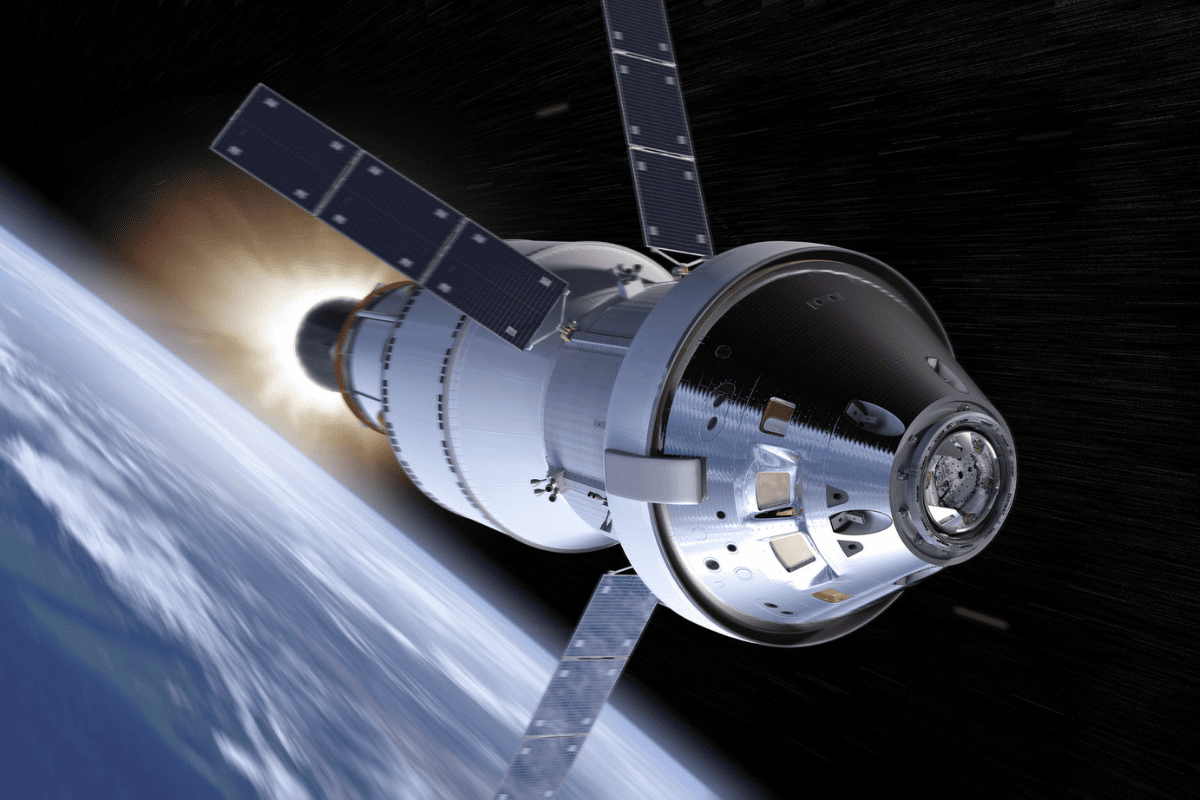
In the realm of upcoming space missions that promise to captivate our imaginations, the Artemis II flight test by NASA stands out as a groundbreaking endeavor. This mission marks NASA’s first crewed mission under the Artemis program, a crucial step toward landing the first woman and next man on the Moon during Artemis III. Set to take place aboard NASA’s Orion spacecraft, astronauts will validate the spacecraft’s systems in the actual deep space environment, laying the foundation for long-term human exploration and scientific discovery on the Moon and beyond, including eventual missions to Mars.
The mission involves a crew of four astronauts launching from NASA’s Kennedy Space Center on a Space Launch System rocket. During the mission, Orion will execute maneuvers to reach a lunar free return trajectory, demonstrating essential capabilities for deep space missions. The mission’s intricacies include a proximity operations demonstration, where the crew manually guides Orion in close proximity to the expended stage, providing valuable data for future rendezvous and docking operations in lunar orbit.
As the crew orbits Earth, critical systems of the spacecraft will be put to the test. From life support systems ensuring breathable air to communication and navigation systems, the mission aims to confirm the readiness of these systems for the lunar journey. The crew will assess performance during exercise and sleep periods, crucial for understanding the full range of life support capabilities. The mission’s culmination involves a translunar injection burn, propelling Orion on a four-day outbound trip around the Moon and back to Earth, utilizing a fuel-efficient trajectory. The Artemis II mission, expected to last about 10 days, serves as a precursor to future lunar missions.
Following this groundbreaking flight, subsequent missions, starting with Artemis III, will focus on establishing surface capabilities and constructing the Gateway in lunar orbit. NASA’s overarching goal is to leverage the experience gained from Moon exploration to propel humanity towards the next giant leap – a manned mission to Mars. With the Space Launch System, Orion spacecraft, and international collaborations, NASA is spearheading a sustainable program that promises to expand human presence across the solar system, ushering in a new era of space exploration and knowledge.