China’s Chang’e-6 and The Dark Side of the Moon
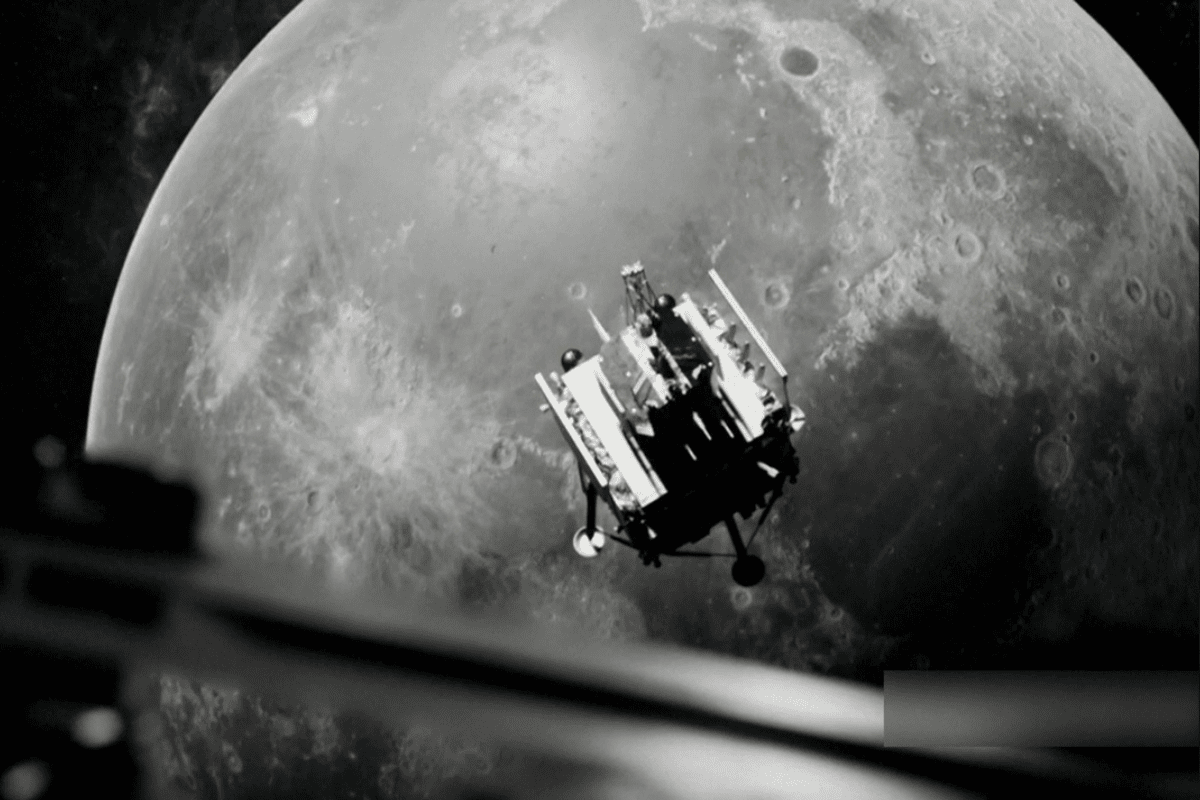
China is on the verge of launching a groundbreaking space mission that promises to redefine lunar exploration. Set to take off in May 2024, the Chang’e-6 mission represents a significant leap forward in the country’s space endeavors. Building on the success of the 2020 Chang’e-5 mission, which brought back lunar samples from the near side of the Moon, Chang’e-6 aims to make history by collecting samples from the far side.
The target is the South Pole-Aitken basin, a massive ancient impact basin on the lunar far side that holds the key to unraveling mysteries about the Moon’s geological history. Landing in the southern portion of the Apollo crater within the SPA basin, the mission seeks to obtain diverse samples, potentially offering insights into the unique geological characteristics and the cessation of volcanic activity on the lunar far side.
Executing this ambitious mission requires a meticulously planned sequence of events. Launched from the coastal Wenchang spaceport, the four-part Chang’e-6 spacecraft will enter lunar orbit, land, and employ scooping and drilling techniques to collect samples. An ascent vehicle will then transport the samples into lunar orbit with the waiting service module, initiating a challenging 53-day odyssey. Beyond its scientific goals, Chang’e-6 carries additional payloads, including instruments from France and Sweden to detect lunar outgassing and negative ions.
The collected lunar samples will not only contribute to Chinese scientific research but also be made available for international cooperation, fostering a collaborative exploration of the Moon’s mysteries. As we anticipate this historic mission, there is growing speculation about the potential for an extended mission for the Chang’e-6 service module, reflecting the unexpected achievements and ambitions that have become synonymous with China’s lunar exploration efforts. The exploration of the lunar far side is poised to provide unprecedented insights into the early history and evolution of the Moon, Earth, and the broader Solar System.