NASA’s Lunar Trailblazer
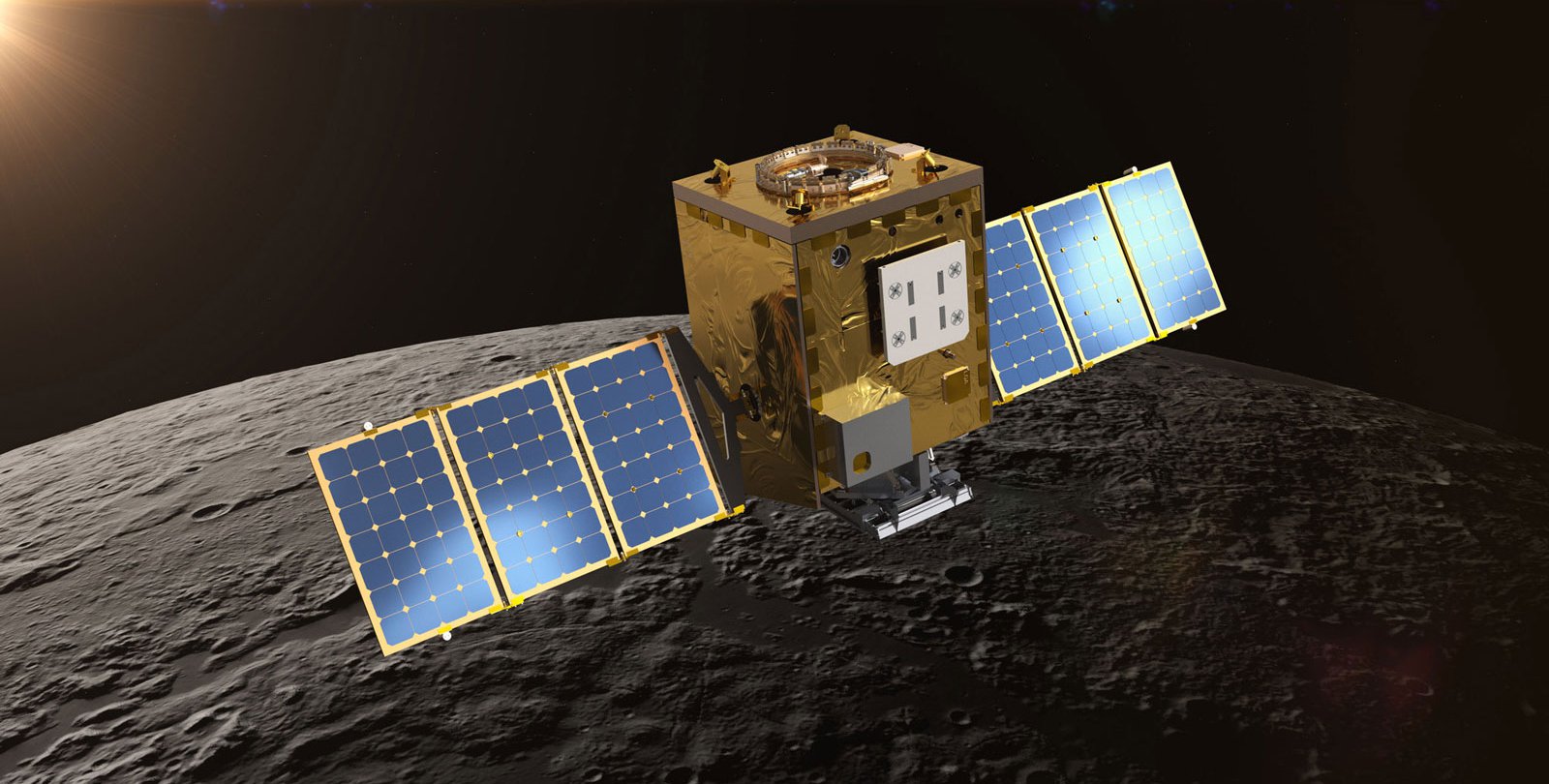
Scheduled to launch in 2024 on a SpaceX Falcon 9 rocket, Trailblazer aims to map the form, abundance, and distribution of water on the Moon. Equipped with infrared spectrometry, it will detect water and hydroxyl molecules by analyzing how the Moon’s surface reflects and absorbs infrared light. With its better resolution, Trailblazer can distinguish between different forms of water, including ice, liquid, and vapor.
The spacecraft’s comprehensive dataset will be crucial for interpreting future studies and missions, such as NASA’s VIPER rover, which launches in 2024 to study water ice in permanently shadowed regions. Commissioned by NASA in 2019 under the SIMPLEx program, Trailblazer exemplifies efficient exploration on a budget. This satellite is tailor-made to advance our understanding of lunar water, a critical aspect of lunar exploration and science. With its cost-effective approach, Trailblazer showcases how impactful planetary science missions can be conducted without breaking the bank.
NASA’s Artemis campaign aims to surpass the achievements of the Apollo missions, planning to land humans on the Moon for a more extended stay. A significant shift in lunar exploration between Apollo and Artemis lies in the discovery of lunar water. While earlier studies suggested the Moon was exceptionally dry, advancements in technology revealed water in lunar volcanic glasses and minerals. India’s Chandrayaan-1 mission further confirmed the presence of substantial amounts of water across the Moon. This unexpected revelation sparked global interest in exploring the Moon not only for scientific purposes but also for potential resource utilization.
Scientists are now focused on understanding how water molecules are produced on the Moon and transported to the poles, where they can be sequestered in permanently shadowed regions for billions of years. The Artemis program, which envisions human habitation on the Moon using local resources like water, necessitates a thorough understanding of its nature and accessibility. To achieve this, a series of NASA-funded robotic missions over the next five years will conduct specific measurements.