India’s Aditya-L1 Sun Monitoring
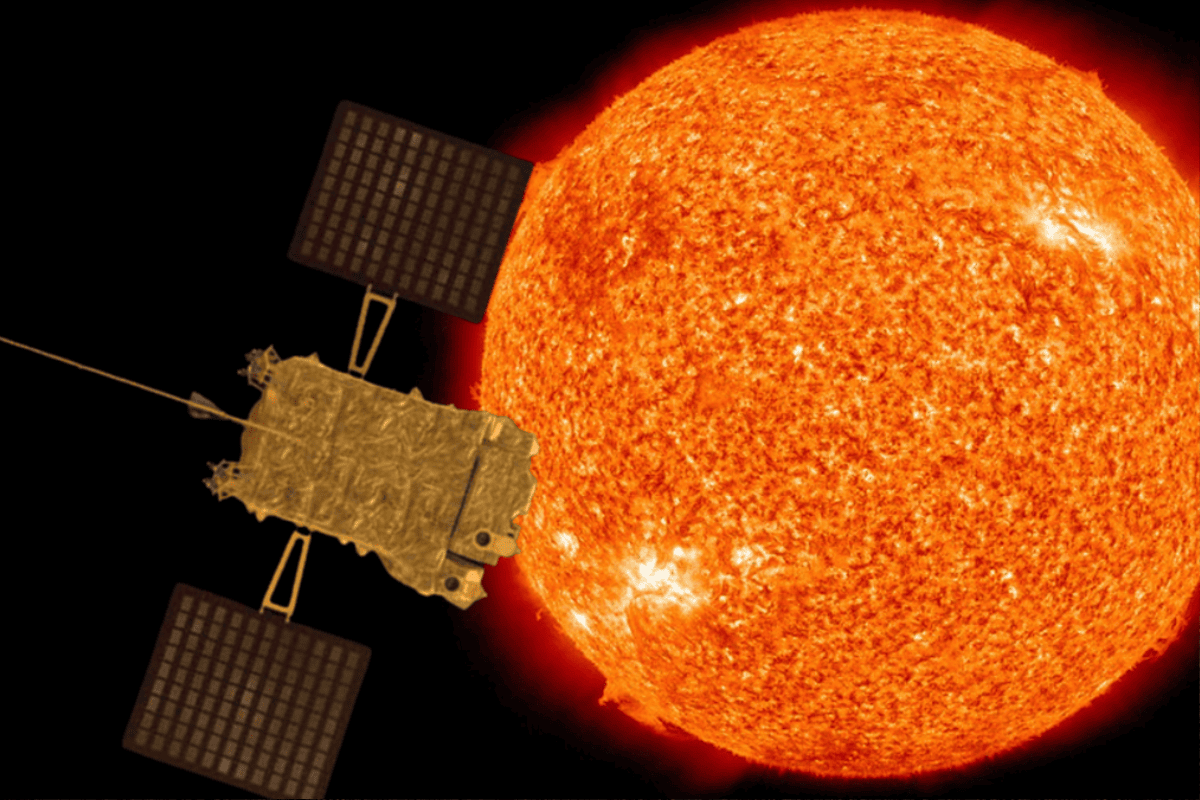
In just four months since its launch on September 2, the Indian Space Research Organisation’s (ISRO) groundbreaking solar mission, Aditya-L1, has successfully reached its destination at Lagrange Point 1. Positioned at a distance of approximately 1.5 million kilometers from Earth, the spacecraft is strategically located to conduct an in-depth study of the sun, focusing on the solar corona and its impact on space weather.
Aditya-L1, named after the Hindi word for the sun, is equipped with seven payloads and is expected to engage in remote sensing of the sun and in-situ observations for an estimated five years. The mission is particularly crucial as it aims to provide insights into the effects of solar radiation on the growing number of satellites in orbit, with a specific focus on phenomena that may influence ventures like Elon Musk’s Starlink communications network. Scientists involved in the project emphasize the importance of understanding the sun’s role in controlling space weather, especially as the low earth orbit is anticipated to become increasingly crowded in the coming years.
This solar mission follows India’s recent achievement of successfully landing on the moon’s south pole with the Chandrayaan-3 mission, surpassing Russia’s previous attempt with Luna-25. The successful positioning of Aditya-L1 at Lagrange Point 1 takes advantage of gravitational forces that enable the spacecraft to remain relatively stationary, minimizing fuel consumption. Furthermore, scientists view the mission as an early warning system for space storms, providing roughly a one-hour advantage in preparation for potential solar disturbances.
As part of ISRO’s ambitious slate of projects, Aditya-L1’s success is just one step in a series of upcoming missions. Noteworthy among these is ISRO’s first human space mission and the collaborative low-Earth orbit observatory system called NISAR, developed jointly with NASA. NISAR is poised to map the entire planet every 12 days, offering valuable data for understanding changes in ecosystems, ice mass, vegetation biomass, sea level rise, and natural hazards, including earthquakes, tsunamis, volcanoes, and landslides.